Growth Hacking for Freelancers Using Marketing Tech
14 August 2026
You are a freelancer. You are also, whether you like it or not, a business of one. And the biggest problem with being a business of one is that you have no marketing department. No one is going to build your funnel while you sleep. No one is going to run your email sequences or A/B test your landing page. That is on you.
But here is the twist. You do not need a marketing department. You need marketing technology. And not the bloated, enterprise-grade platforms that require a six-month onboarding process. You need the scrappy, modular, often free or cheap tools that let you run experiments faster than your competitors can schedule a meeting about scheduling a meeting.
Growth hacking for freelancers is not about viral loops or referral bonuses. It is about using automation, data, and rapid iteration to turn your personal brand into a predictable client acquisition machine. The tools are the enablers. The mindset is the engine.
Let me show you how to think about this, what to actually use, and where most freelancers screw it up.
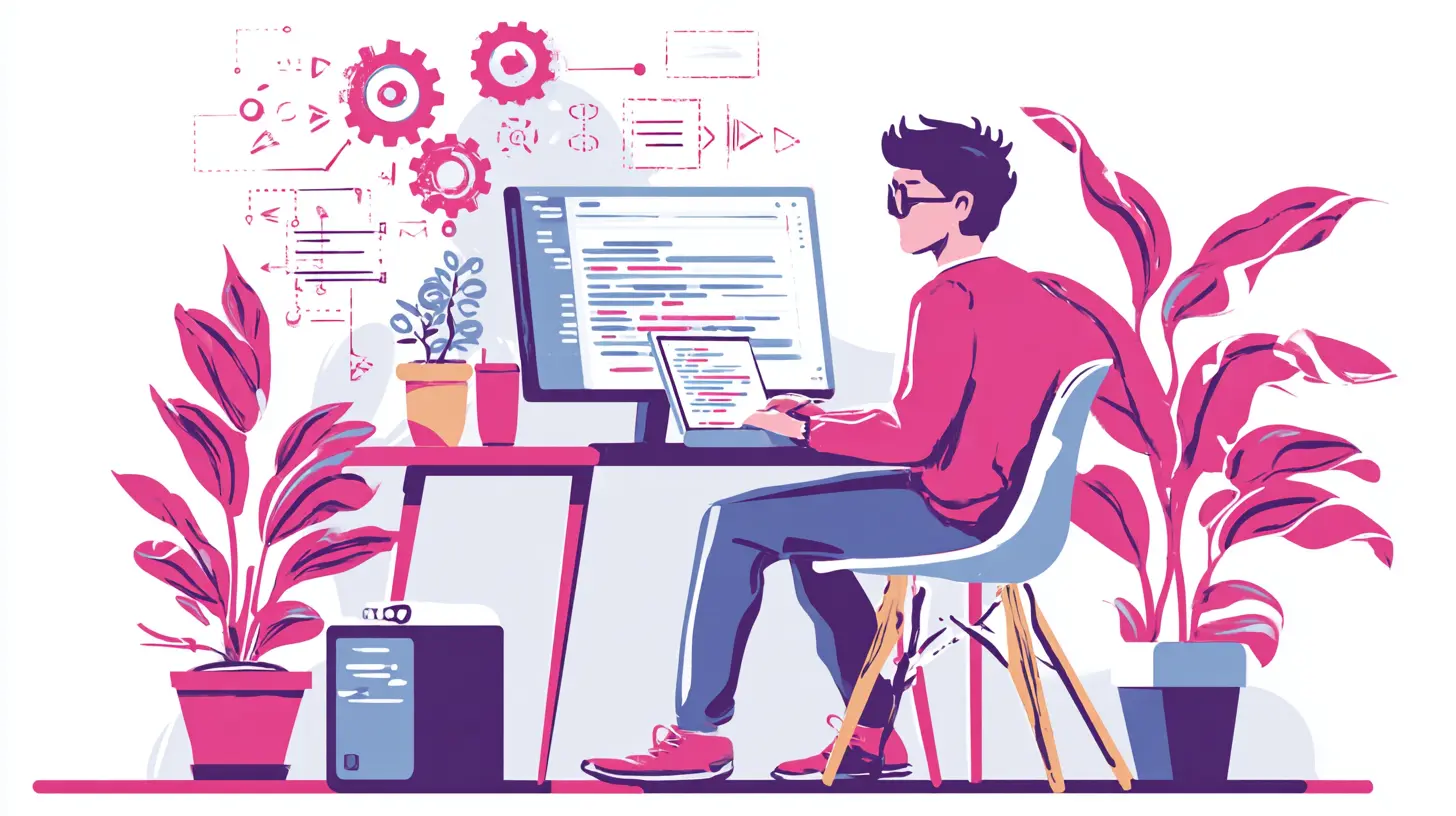
The Core Misconception: Tools Replace Strategy
The first thing to get out of the way is that marketing tech is not a magic wand. If you buy a CRM and a social media scheduler and an email platform, you have not hacked growth. You have just added three more tabs to your browser and a monthly subscription fee to your credit card.The real value of marketing tech for freelancers is leverage. It lets you do in two hours what used to take two days. But that leverage only works if you have a clear hypothesis about who you want to reach and what message will resonate with them.
Think of it this way. A power drill is a great tool. But if you do not know where you want the hole, you will just make a lot of holes in the wrong places. The drill is not the strategy. The hole is.
So before you install anything, write down three sentences. Who is your ideal client? What problem do they have that you solve? What is the single most compelling proof that you can solve it? If you cannot answer those three questions, no tool on earth will save you.

The Stack: Minimal, Modular, and Measurable
You do not need a thirty-tool stack. You need five or six tools that talk to each other, or at least that you can move data between manually without losing your mind. The goal is not automation for its own sake. The goal is to remove friction from the repetitive parts of your outreach and follow-up so you can spend your energy on the creative and relational parts.Here is a practical stack for a solo operator.
1. A Simple CRM That Is Not a CRM
Most freelancers do not need Salesforce or HubSpot. Those are built for teams with sales processes and pipeline stages. You need a list. A really good list.Airtable is the sweet spot. It is a spreadsheet on steroids. You can create a table for leads, a table for projects, a table for content ideas, and link them together. You can add fields for status, last contact date, and next action. You can even build a simple kanban view to see your pipeline at a glance.
The reason Airtable works is that it does not force you into a sales methodology. You can use it the way your brain works. If you prefer Notion, that works too. The key is that you have a single source of truth for every person you have talked to, every promise you have made, and every follow-up you owe.
Do not overthink this. If you are currently using a sticky note and your inbox, moving to a structured list will feel like a superpower. The act of writing down every interaction and tagging it with a next step is the foundation of all growth hacking. You cannot optimize what you cannot see.
2. Email Outreach That Does Not Feel Like Email Outreach
Cold email is not dead. But lazy cold email is dead. The difference is personalization at scale, and that is where tools like Instantly or Smartlead come in.These tools let you send automated sequences with variables. You can insert the prospect's first name, their company name, and even a specific detail you scraped from their LinkedIn profile. But here is the nuance. The tool does not make the email good. You still have to write a subject line that does not sound like a robot wrote it, and a body that shows you actually understand their business.
The growth hack is not the sending. It is the follow-up cadence. Most freelancers send one email and give up. The data, and I say this from experience rather than from a cited study, suggests that most replies come after the third or fourth touch. A good tool lets you set up a sequence of five emails over two weeks, each one adding value rather than just asking for a call.
But be careful. The trade-off here is volume versus reputation. If you send too many emails to too many people with too little relevance, you will burn your domain's sending reputation. Your emails will land in spam, and then no one sees anything you send. Start with a small list of fifty highly targeted prospects. Test your open rates and reply rates. Only scale up when you know your message is working.
3. LinkedIn Automation with a Human Brain
LinkedIn is where a lot of freelance business happens. The platform rewards activity, but it punishes spam. Tools like Expandi or HeyReach can automate connection requests and follow-up messages. They can also get your account flagged if you use them recklessly.The growth hack here is to use automation for the boring parts and human judgment for the interesting parts. Let the tool send connection requests to a list of people who match your target profile. But do not let it send a generic "Hi, I would love to connect" message. Instead, write a short, specific note that references something real about their work.
Once they accept, do not immediately pitch. Send a thank you message that offers value. Maybe it is a link to a relevant article you wrote. Maybe it is a question about their current challenges. The goal is to start a conversation, not to close a deal in the first message.
The misconception is that automation is all or nothing. It is not. You can automate the first touch and the follow-up reminders, but you should personally write the messages that matter. The tool is your assistant, not your replacement.
4. Landing Pages That Convert Without a Developer
You need a place to send people. Your portfolio website is fine, but it is not optimized for conversion. A portfolio is a gallery. A landing page is a sales pitch.Tools like Carrd or Framer let you build a single-page site in an afternoon. You can include a headline, a bullet list of your services, a few testimonials, and a clear call to action. The call to action could be a booking link, an email signup, or a download of a case study.
The growth hack is to create multiple landing pages for different audiences. One page for startups looking for a fractional CTO. Another page for agencies needing overflow design work. Each page speaks directly to that audience's pain points. You can then use a tool like Bitly or a simple UTM parameter to track which source brought which visitor.
This is where the measurement part comes in. If you send cold emails to one page and LinkedIn messages to another, you can see which channel is actually producing leads. Most freelancers skip this step. They just send everyone to their homepage and wonder why they cannot tell what is working.
5. Scheduling and Calendly-Style Tools
This is the easiest win. Do not email back and forth about availability. Use Calendly, or a similar tool, and put your link in your email signature, your LinkedIn profile, and your landing page.The growth hack here is not just convenience. It is about reducing friction at the moment of peak interest. When someone replies to your email and says they want to talk, the worst thing you can do is reply with "What times work for you?" and wait another day for them to respond. Momentum dies. With a scheduling link, they can book a slot in thirty seconds while they are still excited.
The nuance is to set your availability carefully. Do not offer every hour of every day. That makes you look desperate. Offer specific blocks, maybe Tuesday and Thursday mornings. Scarcity, even artificial scarcity, increases perceived value.

The Funnel That Actually Works for Freelancers
Forget the classic marketing funnel with its wide top and narrow bottom. That is for companies with big budgets and big audiences. Your funnel is different. It is more like a pipeline with three stages: attention, trust, and offer.Attention
This is where you get seen. It could be through cold outreach, content marketing, guest appearances on podcasts, or speaking at meetups. The tech here is about amplification. You write one good LinkedIn post and use a scheduler to post it at the right time. You record one video and repurpose it into a blog post, a Twitter thread, and a newsletter item.The mistake freelancers make is trying to be everywhere at once. You do not need to be on every platform. You need to be on the one platform where your ideal client hangs out, and you need to be consistently visible there. Pick one channel. Master it. Then expand.
Trust
Once someone knows you exist, they need a reason to believe you are good. This is where your case studies, testimonials, and before-and-after examples come in. The tech here is content. A well-structured case study that shows the problem, your approach, and the measurable result is worth more than a hundred generic blog posts.You can use a tool like Loom to record a short video walkthrough of a project you completed. This is powerful because it shows your thinking process, not just the final output. People hire freelancers because they trust their judgment. A video that shows how you solved a tricky problem builds that trust faster than any text.
Offer
The final stage is the offer itself. This is where you ask for the sale. The tech here is the proposal. Tools like Better Proposals or PandaDoc let you create professional, branded proposals that include your pricing, timeline, and terms.The growth hack is to make your proposal interactive. Include a short video introduction at the top. Use clear headings and bullet points so they can skim. Add a clickable "Accept and Sign" button. The easier you make it to say yes, the more likely they will.
But do not automate the pricing discussion. That is a conversation, not a form. Use the tool to present the final package, but have the conversation about scope and budget beforehand, either on a call or over email.

Common Mistakes and How to Avoid Them
Mistake 1: Automating the Wrong Things
You can automate sending emails, but you cannot automate building rapport. You can automate posting content, but you cannot automate having a unique point of view. The tools are for the repetitive, the tedious, and the trackable. The human is for the judgment, the empathy, and the creativity.If you find yourself spending more time configuring your automation than actually talking to prospects, you have gone wrong. The tool is a means to an end, not the end itself.
Mistake 2: Obsessing Over Vanity Metrics
Open rates are vanity. Follower counts are vanity. What matters is the number of conversations you have and the number of proposals you send. A high open rate with zero replies means your subject line is good but your offer is weak. A high follower count with no inbound inquiries means you are entertaining people, not convincing them.Use the data to make decisions, but do not let the dashboard become your boss. The goal is paid projects, not a pretty chart.
Mistake 3: Ignoring the Follow-Up
This is the biggest one. Most freelancers are terrible at follow-up. They send a proposal, hear nothing, and assume it is a no. But silence is not a no. It is usually just busyness.Use your CRM to set a reminder to follow up after three days, then after a week, then after two weeks. The follow-up message should be short and helpful. Something like "Just checking in. I know you are busy, but I wanted to see if you had any questions about the proposal." That is it. No guilt, no pressure.
The growth hack here is persistence with grace. Most deals close after multiple touches. If you quit after one, you are leaving money on the table.
Mistake 4: Trying to Do Everything Yourself
Yes, you are a freelancer. But that does not mean you cannot hire help. A virtual assistant can handle your scheduling, your inbox triage, and your social media posting. A copywriter can polish your emails. A designer can make your landing page look professional.The cost of hiring help is often less than the cost of the time you waste doing things you are bad at. Your hourly rate as a freelancer is probably higher than the hourly rate of a good VA. Delegate the low-value tasks and focus on the high-value ones.
The Trade-Offs: Free Tools vs. Paid Tools
Free tools are great until they are not. They often have limits on the number of contacts, the number of emails, or the number of automations. They also collect your data and may use it for their own purposes.Paid tools cost money, but they save time and provide better support. The question is not "Can I afford this tool?" but "How much time will this tool save me, and what is that time worth?"
A good rule of thumb is to start with free versions. Use them until you hit a limit that is actually costing you time or opportunities. Then upgrade. Do not pay for features you do not use. Most freelancers only need the middle tier of most tools, not the enterprise plan.
The Real-World Example: A Fictional But Realistic Scenario
Let me walk you through a typical week for a freelance copywriter who has set up this stack properly.On Monday morning, she opens her Airtable and sees a list of twenty prospects she identified last week. She uses a tool like Apollo.io to find their email addresses and a few personal details. She writes a personalized first email for each one, using a template but changing the opening line to reference something specific from their website or LinkedIn.
She schedules the emails to go out on Tuesday morning. She also sets up a follow-up sequence in Instantly that will send a second email on Thursday and a third on the following Monday.
On Tuesday afternoon, she posts a short case study on LinkedIn. She uses a scheduler to post it at 9 AM, when her audience is most active. She also records a two-minute Loom video explaining the same case study and includes the link in the post.
On Wednesday, she checks her Calendly. Two prospects have booked calls. She prepares for those calls by reviewing their Airtable records and their recent LinkedIn activity.
On Thursday, she sends the follow-up emails automatically. One prospect replies and asks for a proposal. She uses PandaDoc to create a clean, branded proposal with a video intro. She sends it that afternoon.
On Friday, she reviews her metrics. She looks at the open rate and reply rate for her cold emails. She sees that the emails with a specific reference to the prospect's recent project had a much higher reply rate. She notes that in her Airtable and adjusts her template for next week.
That is growth hacking. It is not a single brilliant idea. It is a system of small, repeatable actions, each one tracked and improved.
When Not to Use Marketing Tech
There are times when the tools get in the way. When you are having a deep conversation with a potential client, do not check your dashboard. When you are writing a proposal, do not use a template that makes it sound like every other freelancer. When you are on a discovery call, do not take notes in a CRM that makes you sound like a robot.The best freelancers know when to turn off the automation and be human. The tools are for the boring parts. The magic happens in the moments of genuine connection.
If you are just starting out and have no clients, do not buy a bunch of tools. Use a spreadsheet and your email. Send a hundred personalized emails by hand. See what works. Then invest in tools to scale what you have learned.
The Final Word on Growth Hacking for Freelancers
Growth hacking is not a hack. It is a discipline. It is the discipline of testing, measuring, and improving your client acquisition process. Marketing tech is the enabler. It lets you run more tests, reach more people, and follow up more consistently than you could by hand.But the tools are not the point. The point is to build a system that brings you a steady stream of qualified leads without you having to hustle every single day. A system that works while you sleep, or while you are working on a project for a current client.
Start small. Pick one tool. Set up one workflow. Measure the result. Then iterate. That is the growth hack. Everything else is just details.
all images in this post were generated using AI tools
Category:
Tech For FreelancersAuthor:

John Peterson
Discussion
rate this article
1 comments
Isabelle Gray
Freelancers can leverage automation tools and data analytics to boost visibility and streamline their marketing efforts.
September 5, 2026 at 12:54 PM
John Peterson
Absolutely, automation tools and data analytics are game changers for freelancers. They not only save time but also enhance marketing effectiveness significantly.