How Digital Payment Platforms are Supporting Global Financial Inclusion
28 February 2026
In a world where tech is evolving faster than we can blink, one underrated hero is quietly transforming lives — digital payment platforms. They might not have a cape or theme music, but these systems are revolutionizing how people access, use, and manage their money, especially in corners of the world often left behind by traditional banks.
You might not think twice about tapping your phone to pay for coffee or sending rent through a mobile app. But for someone in a remote village without access to a local bank branch, that same technology could mean the difference between financial freedom and financial exclusion.
Let’s dive into how digital payment platforms are becoming the unlikely champions of global financial inclusion — one mobile wallet at a time.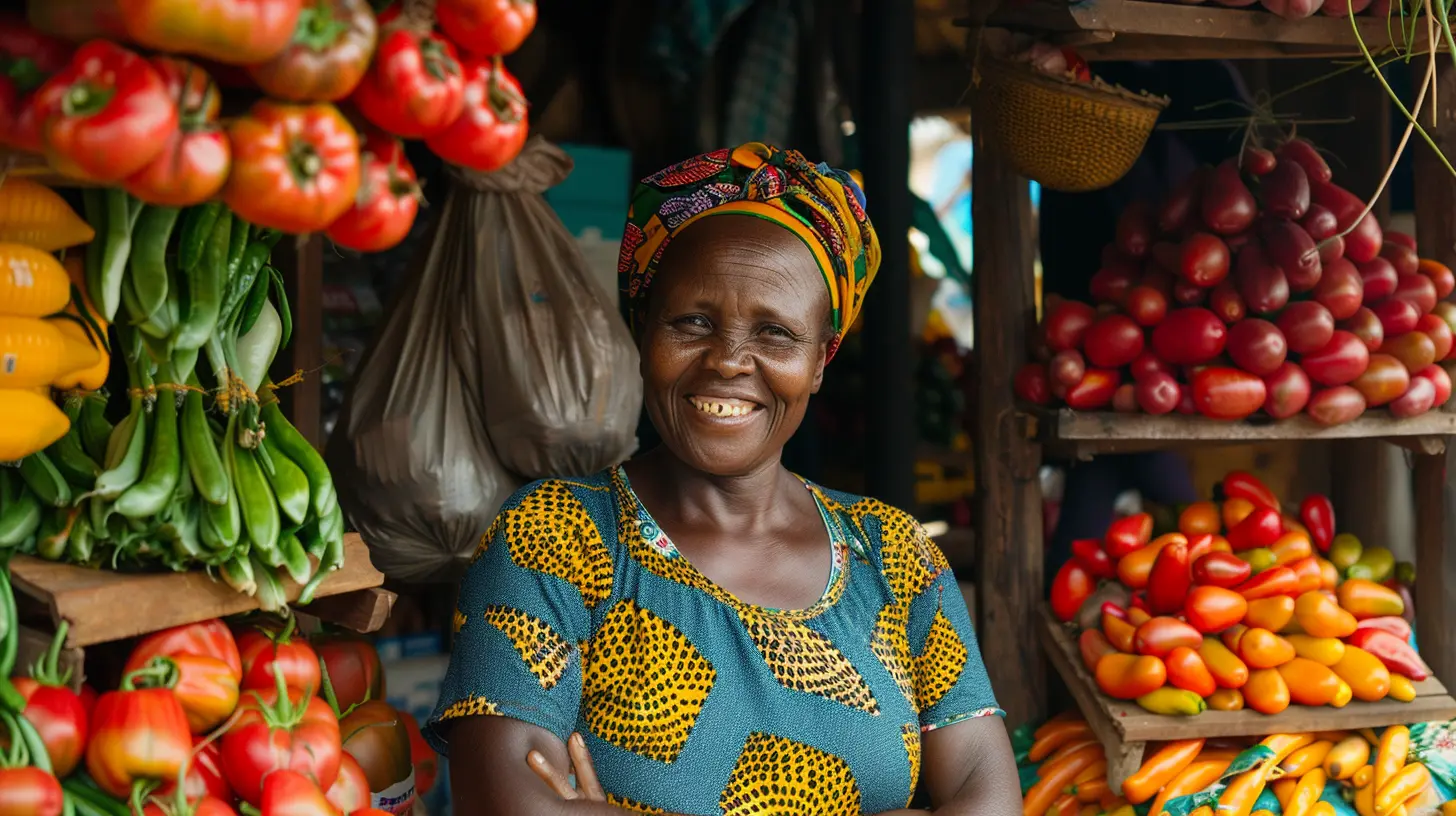
What Is Financial Inclusion and Why Should You Care?
First things first: what is financial inclusion? It's a concept that seems simple on the surface — making financial services available and accessible to everyone, regardless of their income or location.But it goes deeper than that.
Financial inclusion means:
- A farmer in rural India can secure a microloan to expand their business.
- A single mother in Nigeria can save money safely and access emergency funds.
- An unemployed youth in Indonesia can receive payments from freelance gigs without a traditional bank.
It’s about giving people the tools to participate in the economy, grow their income, and ultimately, build a better life. And trust me, that’s something we all want — regardless of where we live.
The Digital Revolution in Payment: More Than Just Convenience
Let’s face it — cash is messy. It's not always safe, it doesn’t travel well, and it can’t keep up in a global digital economy.Digital payment platforms, such as mobile wallets, online banking apps, and fintech solutions, are stepping in to change the game. Think M-Pesa in Kenya, Paytm in India, or Venmo and Cash App in the U.S.
These platforms are doing more than just making payments easier. They're:
- Creating digital access where physical banks don’t exist.
- Offering low-cost and instant transaction services.
- Enabling financial literacy through mobile-first platforms.
They’re turning smartphones into banks. And considering that mobile phone usage has exploded globally — even in the most underserved areas — it makes perfect sense.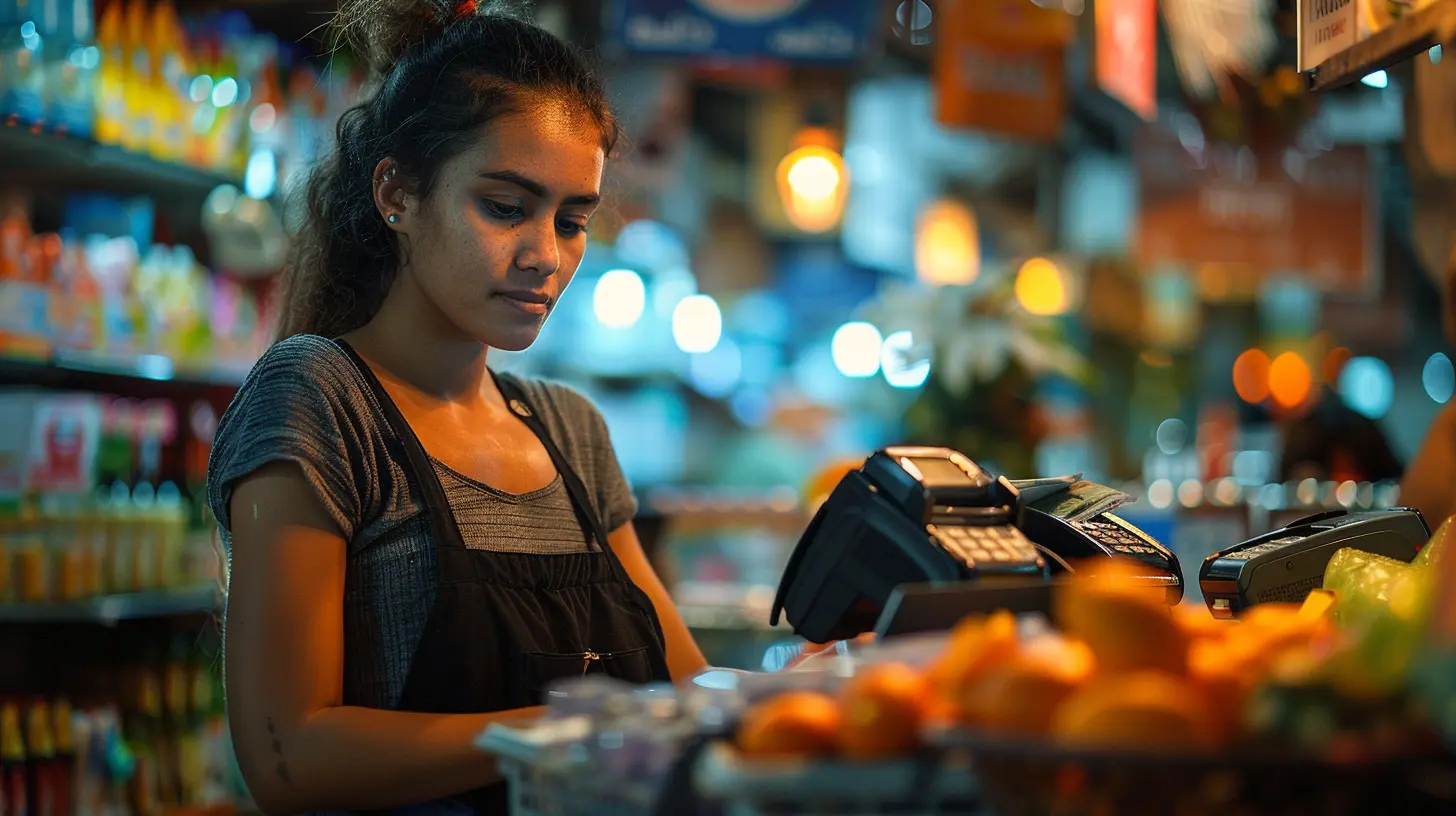
How Digital Payment Platforms Bridge the Financial Gap
So here’s the million-dollar question: how exactly are these platforms supporting financial inclusion around the globe?Let’s break it down.
1. Reaching the Unbanked and Underbanked
Did you know that over 1.4 billion adults worldwide don’t have access to a bank account? That’s almost one-fifth of the global population.Digital payment apps give them a ticket into the financial ecosystem. All you need is a basic smartphone and a mobile connection.
No brick-and-mortar branches. No paperwork. No long wait times.
It’s financial access via pocket-sized technology.
2. Empowering Women Economically
In many parts of the world, women are at a financial disadvantage due to gender norms, limited mobility, and inequality in employment.Digital wallets offer them privacy, security, and control over their finances.
Take Bangladesh, for example. Women using mobile money services reported greater autonomy in financial decisions because they didn’t have to rely on male family members or unsafe cash transactions.
It’s not just about money. It’s about empowerment.
3. Boosting Micro and Small Businesses
Micro, small, and medium-sized enterprises (MSMEs) make up over 90% of businesses worldwide. Yet many of them operate entirely in cash, limiting growth and access to credit.By using digital payments, these businesses:
- Track income and expenses more efficiently.
- Build a credit profile (yes, even without a traditional credit score).
- Access business loans and other financial products from fintech providers.
Digital platforms are essentially becoming the financial backbone of small businesses across the globe.
4. Facilitating Government Transfers and Aid
Remember when governments worldwide scrambled to provide COVID-19 relief? In many cases, digital payments made it possible.Countries like India used digital ID systems (like Aadhaar) and mobile wallets to send money to citizens during lockdowns – instantly and with minimal fraud.
Digital platforms enable governments to:
- Distribute subsidies, pensions, or emergency relief faster.
- Cut corruption and leakages in the process.
- Reach even the most remote populations.
That’s big.
Real-Life Success Stories
Let’s zoom in on a few places where digital payment platforms are making real waves.🌍 Kenya – M-Pesa: The Poster Child
Started in 2007, M-Pesa turned mobile phones into financial lifelines. Today, over 90% of Kenya’s adult population uses M-Pesa.It allows users to:
- Send and receive money
- Pay bills
- Take out loans
- Save digitally
M-Pesa has lifted more than 2% of Kenya’s population out of extreme poverty. That’s not just impactful — it’s transformational.
🇮🇳 India – UPI and Jan Dhan Yojana
India’s Unified Payments Interface (UPI) processed over 8 billion transactions in a single month in 2023. UPI is fast, secure, and works across hundreds of apps.Combined with the Jan Dhan Yojana initiative — which opened over 400 million bank accounts for the poor — India has digitized financial inclusion at scale.
🇲🇽 Mexico – CoDi
CoDi (Cobro Digital) is a digital payment platform by Mexico’s central bank aimed at reducing cash dependency and including more people financially.By using QR codes and mobile banking, even street vendors and rural farmers can receive digital payments. Adoption is growing, and it's opening up new opportunities for small and informal businesses.
The Role of Fintech Startups
Let’s give some love to the fintech disruptors out there. These companies are doing more than just moving money — they’re building inclusive financial ecosystems from the ground up.Some cool stuff they’re offering:
- Micro-loans with instant approvals
- "Buy Now, Pay Later" models for underserved consumers
- Affordable insurance and investment products
- AI-powered credit scoring, even without traditional credit history
By customizing services for low-income or rural customers, fintechs are reshaping what banking looks like — sleek, instant, and digital.
Remaining Challenges and the Road Ahead
Now, let’s not romanticize digital payments too much. There are still hurdles to overcome:📶 Tech Infrastructure Gaps
Not all regions have strong mobile networks or internet coverage. That’s a basic need for digital platforms to function.🔐 Data Privacy and Cybersecurity
More digital access means more exposure to data breaches, fraud, and scams. Platforms need rock-solid security or risk hurting the very users they aim to help.🧠 Financial Literacy
Just giving someone a mobile wallet doesn’t mean they know how to use it wisely. Education needs to go hand-in-hand with access.🚧 Regulatory Barriers
Inconsistent regulations across countries make it hard for platforms to scale and offer seamless services, especially in cross-border payments.The Future Is Digital — And Inclusive
There’s no denying it — we’re heading into a future where cash might just be a relic. Digital payments are becoming the norm, not the exception. And for once, the revolution isn’t just happening in wealthy cities.It’s reaching the farmer, the vendor, the laborer, the homemaker — people who’ve been financially invisible for far too long.
If governments, fintechs, and communities continue working together, we might just close the global financial gap in our lifetimes.
And honestly, wouldn’t that be something?
Final Thoughts
Digital payment platforms are doing more than changing how we pay — they’re changing who gets to participate in the economy. They’re turning the tide for billions who’ve been sidelined by traditional banking systems.Whether it’s a mobile wallet in Ghana or a QR-based app in Brazil, the message is loud and clear: financial inclusion isn’t a privilege — it’s becoming a right. And that’s a win for all of us.
all images in this post were generated using AI tools
Category:
FintechAuthor:

John Peterson
Discussion
rate this article
2 comments
Selene Holland
Great insights on how digital payment platforms are transforming financial inclusion! It's exciting to see technology bridging gaps and empowering people worldwide. Thanks for sharing!
March 28, 2026 at 1:19 PM
John Peterson
Thanks for your feedback! I'm glad you found the insights valuable. It's inspiring to see technology make such a positive impact.
Fennec McLaurin
Empowering everyone through innovation and accessibility!
March 2, 2026 at 4:14 AM
John Peterson
Thank you! Innovation and accessibility are key to ensuring everyone can participate in the digital economy.