How Government Adoption of Open Source Will Evolve in 2027
21 April 2026
Ah, the government and technology — a match made in bureaucratic heaven. If there’s one thing that can make us chuckle, it’s the thought of government agencies finally embracing open-source software. By 2027, we can expect a glorious transformation, but let’s be real: it’s going to be a wild ride. So, grab your popcorn, and let’s dive into this playful yet sarcastic exploration of how government adoption of open source will evolve in just a few short years.
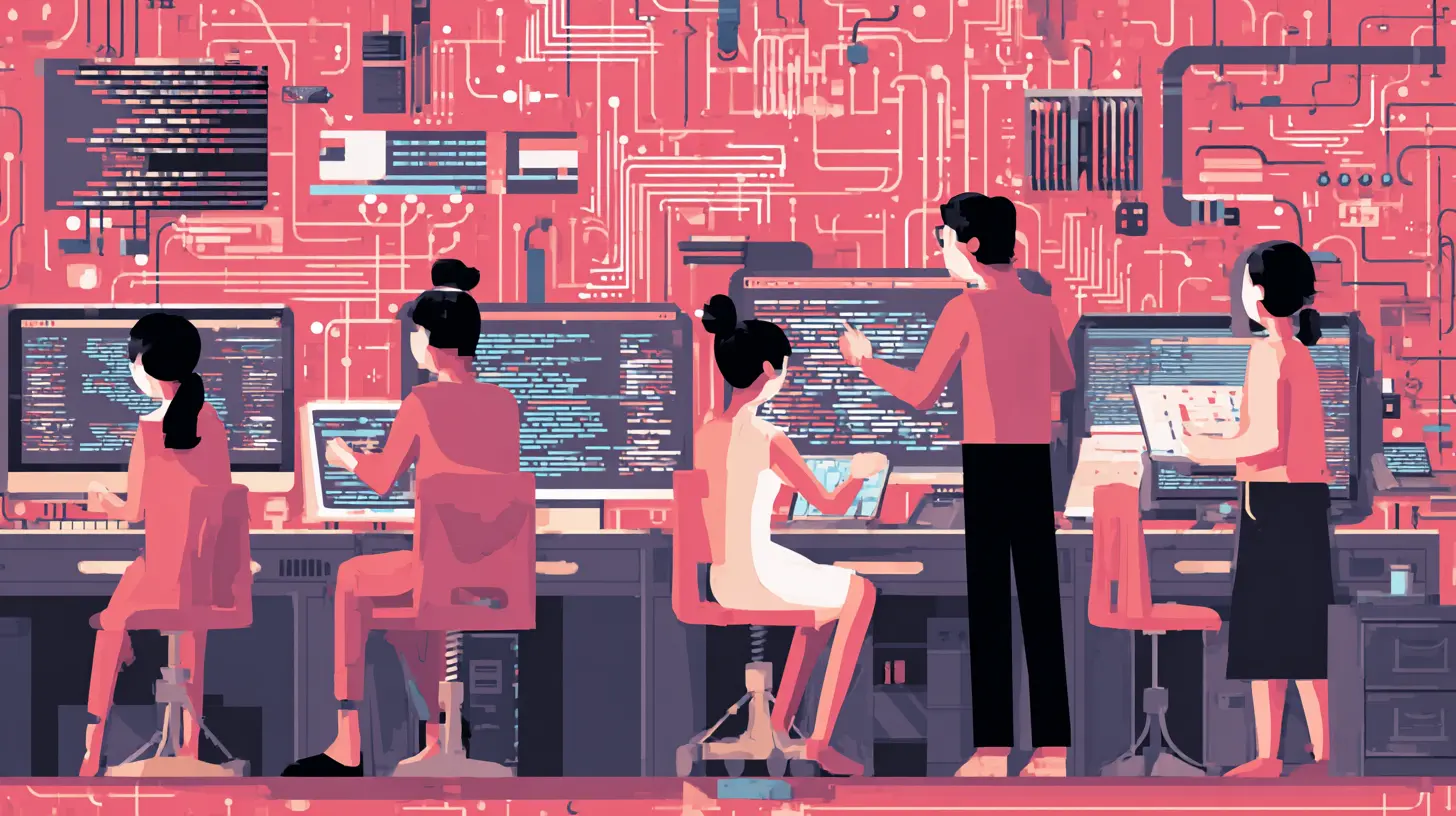
The Current State of Affairs: A Jumbled Mess
Before we start dreaming about 2027, let’s take a quick detour back to the present. If you’ve ever tried to navigate a government website, you know it’s like trying to find a needle in a haystack — blindfolded. Clunky interfaces, outdated software, and mysterious error messages are the norm. Why? Because many government agencies cling to their proprietary software like a toddler clings to a security blanket.But let’s not be too harsh. After all, who wouldn’t want to stick with a system that crashes more often than the local baseball team? The reality is that government agencies have been slow to adopt open-source solutions. Why bother with transparency and innovation when you can just keep throwing taxpayer money at the same old problems?

The Open Source Revolution: A Glimmer of Hope
Now, let’s talk about the shiny beacon of hope that is open-source software. Imagine a world where software isn’t locked away behind a paywall, where citizens aren’t treated like ATM machines, and where tech-savvy citizens can actually contribute to the software that runs their lives. Sounds dreamy, right?By 2027, we can expect the open-source revolution to sweep through government agencies like a viral TikTok dance challenge. Governments will start recognizing the benefits of open-source software — lower costs, increased collaboration, and, believe it or not, better security. Because nothing screams “secure” like a system that everyone can poke around in.
Why Open Source? Because It’s Free, Baby!
Let’s be honest: the government loves free stuff. Why pay for expensive licenses when you can download a perfectly good piece of software for nothing? By 2027, we can anticipate more agencies ditching their overpriced software contracts and embracing the open-source community. Agencies will be saying, “Hey, why not let our developers use something that doesn’t require them to sell their souls?”Think about it: with open-source, the government can save money, allocate resources elsewhere, and maybe even upgrade the coffee machine in the break room. It’s a win-win situation!
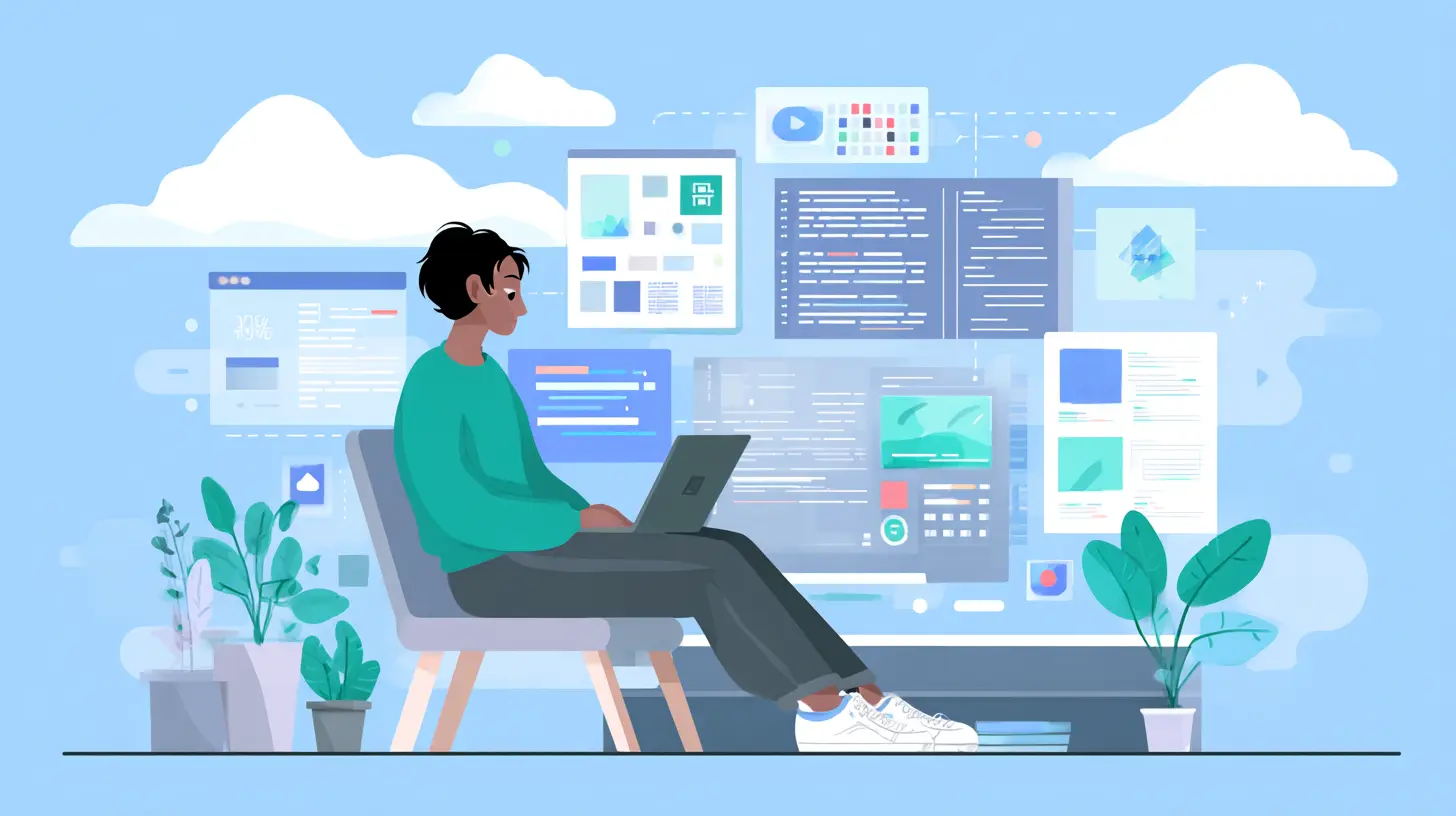
The Tech-Savvy Citizens: A Force to Be Reckoned With
As we saunter towards 2027, we must acknowledge the rise of the tech-savvy citizen. Gone are the days when we relied solely on government officials to understand technology. Now, we have a legion of brilliant minds ready to tackle the government’s tech woes. And guess what? They’re not afraid to share their knowledge.Imagine citizens swooping in like superheroes, offering their expertise to government agencies. “Hey, you guys are still using that ancient software? Let me show you how to use this open-source alternative!” It’s like a tech-savvy Robin Hood situation, where the citizens are stealing the knowledge from the rich (corporations) and giving it to the poor (government).
Collaboration: The New Buzzword
By 2027, collaboration will be the name of the game. No longer will government agencies operate in their little silos, pretending they have all the answers. Open-source software encourages collaboration not just among agencies but also between citizens and developers.Imagine a world where citizens can directly contribute to improving government software. “Oh, you found a bug? Here, let me fix that for you!” It’s like a massive open-source potluck, where everyone brings their best dish (or code) to the table.

The Security Factor: Who Needs Secrets?
Ah, security. The word that sends shivers down the spines of government IT departments everywhere. By 2027, we can expect a radical shift in how security is perceived in the realm of open-source software.In a world where open-source software reigns supreme, security will be a shared responsibility. Instead of relying on a single vendor to patch vulnerabilities (which they often do at a snail’s pace), the community will band together to identify and fix issues faster than you can say “data breach.”
It’s like having a neighborhood watch for your software. Everyone’s keeping an eye out for suspicious activity, and before you know it, those pesky vulnerabilities are squashed faster than a bug on a windshield.
Transparency: Because Who Needs Secrets Anyway?
Let’s talk about transparency. In a world where government agencies are notorious for their lack of clarity, open-source software offers a refreshing change. By 2027, we’ll see a push for transparency that makes even the most secretive agencies blush.Imagine citizens being able to see the code that runs their government services. “Wait, you mean I can see how my tax dollars are being spent on software?!” Yes, my friend, welcome to the future! With open-source, citizens will have a front-row seat to the inner workings of their government’s tech, and they won’t be afraid to voice their opinions.
Challenges on the Horizon: The Road Less Traveled
Now, before we get too carried away with our visions of a utopian open-source government, let’s take a moment to acknowledge the challenges that lie ahead.Resistance to Change: The Old Guard
As much as we’d love to imagine a world where everyone embraces open source with open arms, we can’t ignore the fact that there will be resistance. The old guard within government agencies isn’t going down without a fight. “But we’ve always done it this way!” they’ll cry, clinging to their proprietary software like it’s a life raft in a sea of change.By 2027, we’ll need to see a cultural shift within government agencies. Change agents will need to step up and advocate for open-source adoption, convincing their colleagues that there’s a better way. It’s like convincing your grandma to switch from her flip phone to a smartphone — it’s going to take a lot of patience and maybe a few YouTube tutorials.
Budget Constraints: The Never-Ending Tightrope Walk
Ah, the budget. The bane of every government employee’s existence. Even if open-source software is free, there are still costs associated with implementation, training, and support. By 2027, we’ll see agencies grappling with budget constraints as they try to navigate the open-source landscape.It’s like trying to convince a kid to eat their vegetables while promising them ice cream for dessert. “Sure, you can have open source, but you’ll have to give up some of your precious budget.”
The Future is Bright: A Vision for 2027
So, what does the future hold for government adoption of open source in 2027? While we can’t predict the future (if only we had a crystal ball), we can certainly make some educated guesses.A More Agile Government
By 2027, we can hope to see a more agile government, one that can adapt to changing technology and citizen needs. Open-source software will allow agencies to pivot quickly, respond to feedback, and innovate at a pace that would make even the fastest startups jealous.Imagine a government that can roll out updates and improvements faster than you can say “bureaucratic red tape.” Gone will be the days of waiting years for a software upgrade. Instead, we’ll see a government that embraces the idea of continuous improvement, much like a tech company in Silicon Valley.
Increased Citizen Engagement
As open-source adoption grows, so will citizen engagement. By 2027, we can anticipate a more informed and involved citizenry, one that actively participates in shaping the software that governs their lives.No longer will citizens be passive recipients of government services; they’ll be empowered to contribute, provide feedback, and hold their government accountable. It’s like turning the government into a giant hackathon, where everyone gets a say in how things work.
Conclusion: The Open-Source Dream
In conclusion, the evolution of government adoption of open source by 2027 is bound to be a rollercoaster ride filled with laughter, tears, and a few facepalms along the way. While challenges will undoubtedly arise, the potential benefits are too significant to ignore.So, let’s raise a glass (of something caffeinated, preferably) to the future of open-source government. May it be filled with transparency, collaboration, and a little bit of sarcasm to keep things interesting. Who knows? By 2027, we might just find ourselves living in a world where government software is as user-friendly as your favorite social media app. And that, my friends, is a future worth dreaming about.
all images in this post were generated using AI tools
Category:
Open Source ProjectsAuthor:

John Peterson
Discussion
rate this article
2 comments
Liam McElveen
This article provides a compelling glimpse into the future of government technology. As more agencies embrace open-source solutions, we can expect increased transparency, collaboration, and innovation. However, challenges like security and interoperability remain critical. It's crucial for policymakers to address these issues head-on.
April 26, 2026 at 10:48 AM
John Peterson
Thank you for your insights. You highlight key points about the potential and the challenges ahead as we move toward a more open-source future in government. Balancing innovation with security will be essential.
Mindy Pratt
By 2027, government open source adoption will be so common, even bureaucrats will be coding in their coffee breaks! ☕🚀
April 26, 2026 at 2:57 AM
John Peterson
That would be something to see! Open source really could transform how we approach government tech.