How to Choose the Best Headphones for Professional DJs
3 July 2026
Picking the right pair of DJ headphones isn’t just about bass or brand—you're shopping for your ears' new best friends. Whether you're spinning in front of a packed club or grooving in your bedroom studio, your headphones are your lifeline. They help you catch every beat, every drop, and every off-kilter cue before anyone else even knows it’s a thing. If you're serious about your mixes, your headphones better be just as serious.
In this guide, we’re diving deep into what makes a pair of DJ headphones truly professional. Not every pair of flashy cans is cut for the job, and buying the wrong ones could throw off your entire performance—and nobody wants that mid-set disaster. So let’s break it down.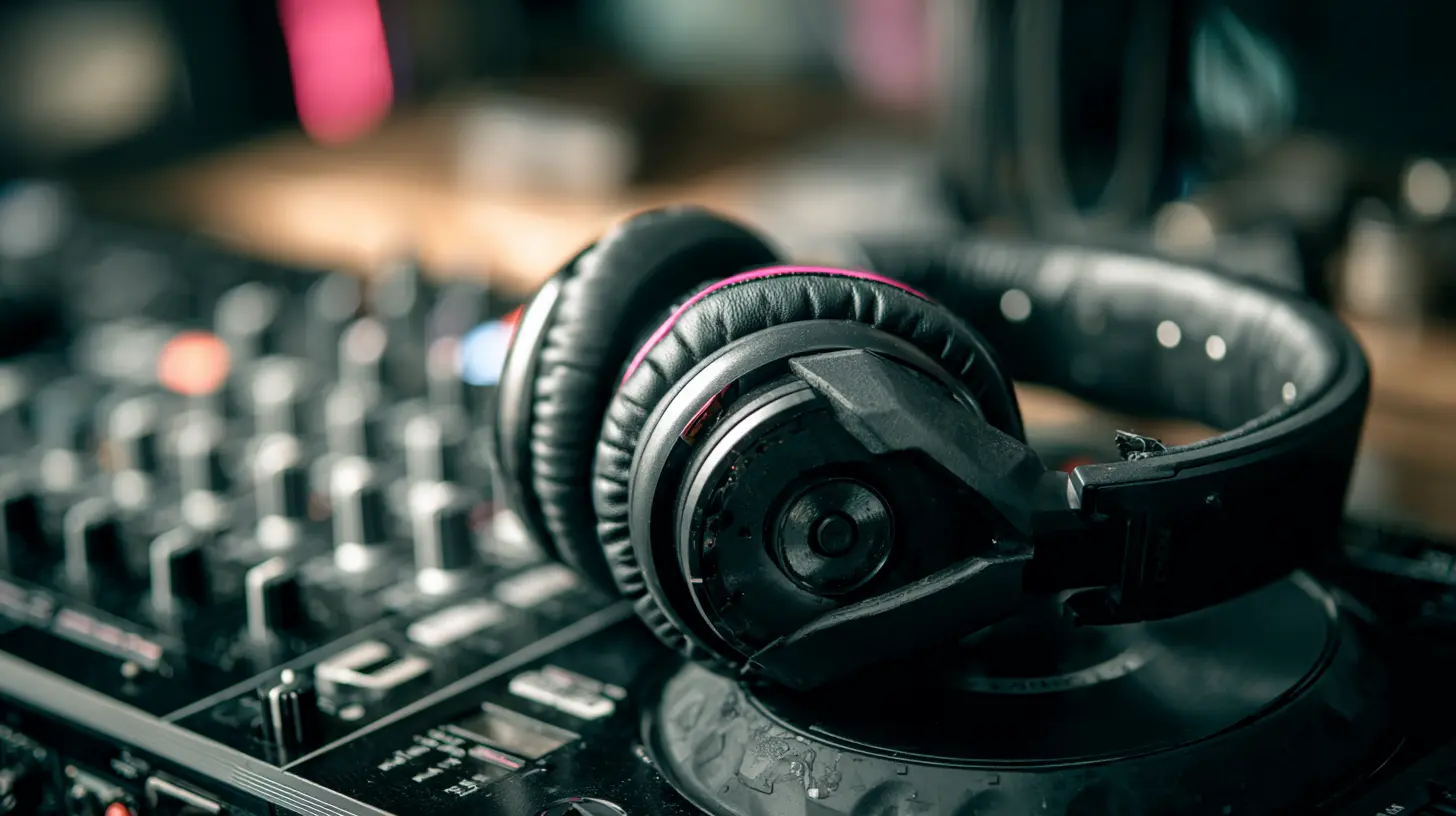
Why DJ Headphones Are NOT Your Average Headphones
Alright, let’s clear one thing up right away: DJ headphones are NOT the same as regular consumer headphones. Sure, they both go over your ears and play music, but that’s where the similarities stop. Think of it like comparing a racecar to your mom’s hatchback—they both drive, but only one’s built for performance under pressure.So what’s the big deal? DJ headphones are purpose-built machines. They’re designed for high-volume environments, quick cueing, and long wear times. Club environments are noisy, chaotic, and dimly lit. Your headphones need to rise above that mess and help you stay locked into your mix.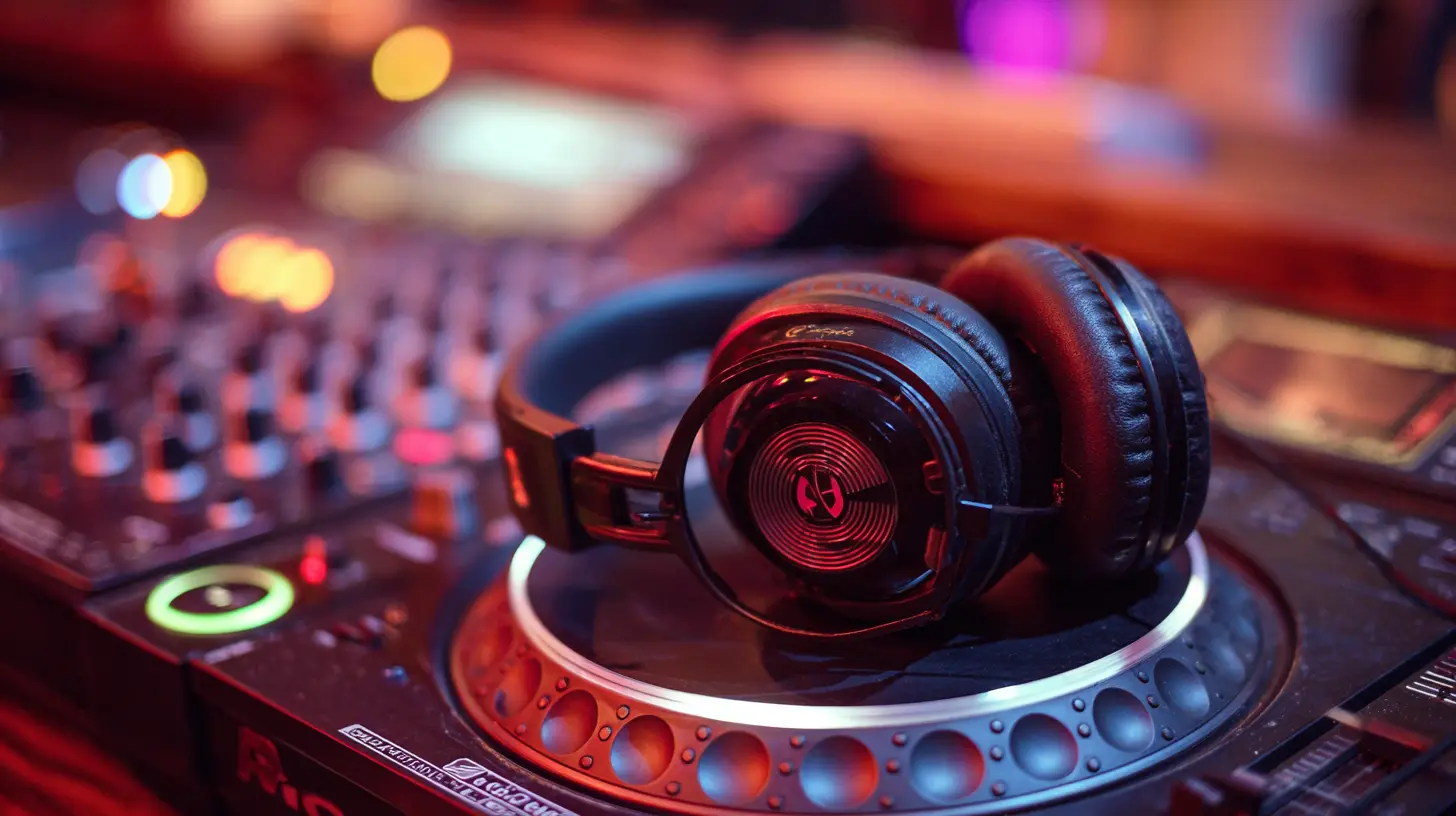
Key Features to Look for in Professional DJ Headphones
Choosing professional DJ headphones isn’t just about looks—it’s about performance, comfort, and durability. Here are the crucial things to consider before dropping your hard-earned cash.1. Sound Isolation: Block Out the Chaos
You’re in the middle of a banging club, the bass is shaking your rib cage, and the crowd is screaming. You need headphones that can isolate the cue track from all that madness. Look for closed-back ear cups that fully cover your ears. Noise isolation is your secret weapon.Pro Tip: Active noise cancelation is cool for plane rides, but DJs need passive isolation. Why? Because active cancelation can mess with your timing and add artificial processing. Stick with solid padding and a closed-back design.
2. Accurate and Punchy Sound
It’s not just about sounding good—it’s about sounding right. As a DJ, you need to clearly hear your mids and highs for mixing, but you also want punchy bass to help with beatmatching. The goal? A balanced yet powerful sound signature that helps you stay in control of the music.Ask yourself:
- Can I hear the hi-hats clearly?
- Is the bass tight, not boomy?
- Do vocals come through cleanly?
If you can answer yes, you’re in business.
3. Swivel and Rotatable Earcups
One-ear monitoring. It’s like a third arm for DJs. You’ve probably seen DJs throwing one earcup off and on like it's part of the dance. That’s not showing off—it’s vital.Your headphones should have earcups that swivel 90 to 180 degrees. This allows for flexible monitoring, especially for those who like to keep one ear open to the booth monitor or just want to listen to what the crowd hears.
4. Comfort for Long Sessions
Let’s face it—whether you’re gigging at a club or grinding through a 5-hour livestream, comfort matters. Look for cushy ear pads, lightweight frames, and adjustable headbands. If your headphones hurt after 30 minutes, you’re not going to last the night.Memory foam cushions? Yes, please. Adjustable headbands with just the right amount of clamping force? Sign us up.
5. Build Quality: Made to Take a Beating
DJing is not gentle on gear. Your headphones are going to be pulled, dropped, twisted, and stuffed into bags. You need something built like a tank—with hinges, cables, and connectors that can take abuse.Look for:
- Reinforced hinges
- Detachable and replaceable cables
- Tough plastic or metal construction
- Carry case included? That’s a bonus.
Think of this as buying boots for battle. You don’t want them falling apart halfway through the war.
6. Portability and Foldability
DJs are always on the go. Whether you’re traveling to gigs or heading to a studio session, portability matters. Choose headphones that are collapsible or come with a case to make them easy to carry.Foldable designs save space, and removable cables make packing a breeze.
7. Cable Type and Length
Straight or coiled cable? That’s the question.- Coiled cables are great because they can stretch but won’t tangle you up.
- Straight cables offer more freedom of movement but can become a trip hazard.
Also, make sure the cable is detachable—because replacing a broken cable is way better than replacing the whole pair of headphones.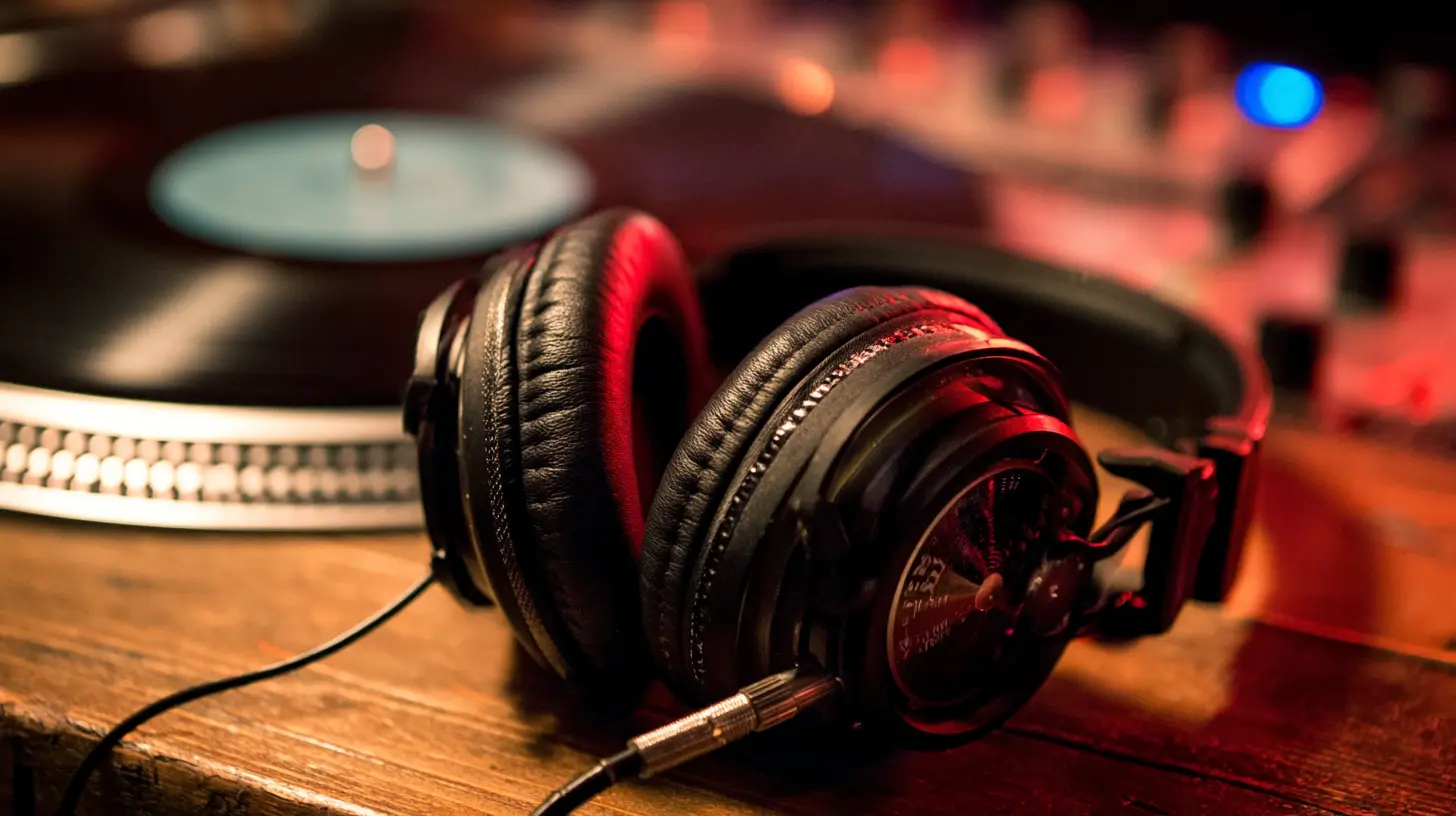
Over-Ear vs. On-Ear: Which Type Should You Choose?
Let’s settle this debate. Both styles have their advantages, but for most pro DJs, over-ear headphones are the go-to.- Over-Ear (Circumaural): Offers better isolation, more comfort, and fuller sound. Ideal for long sessions and loud environments.
- On-Ear (Supra-aural): More compact and lightweight. Good for quick monitoring but can get uncomfortable over time.
If you’re playing in loud venues or need to wear them for hours, over-ear is usually the better pick. On-ear might work for mobile DJs or short sets, but they won’t block out the same level of noise.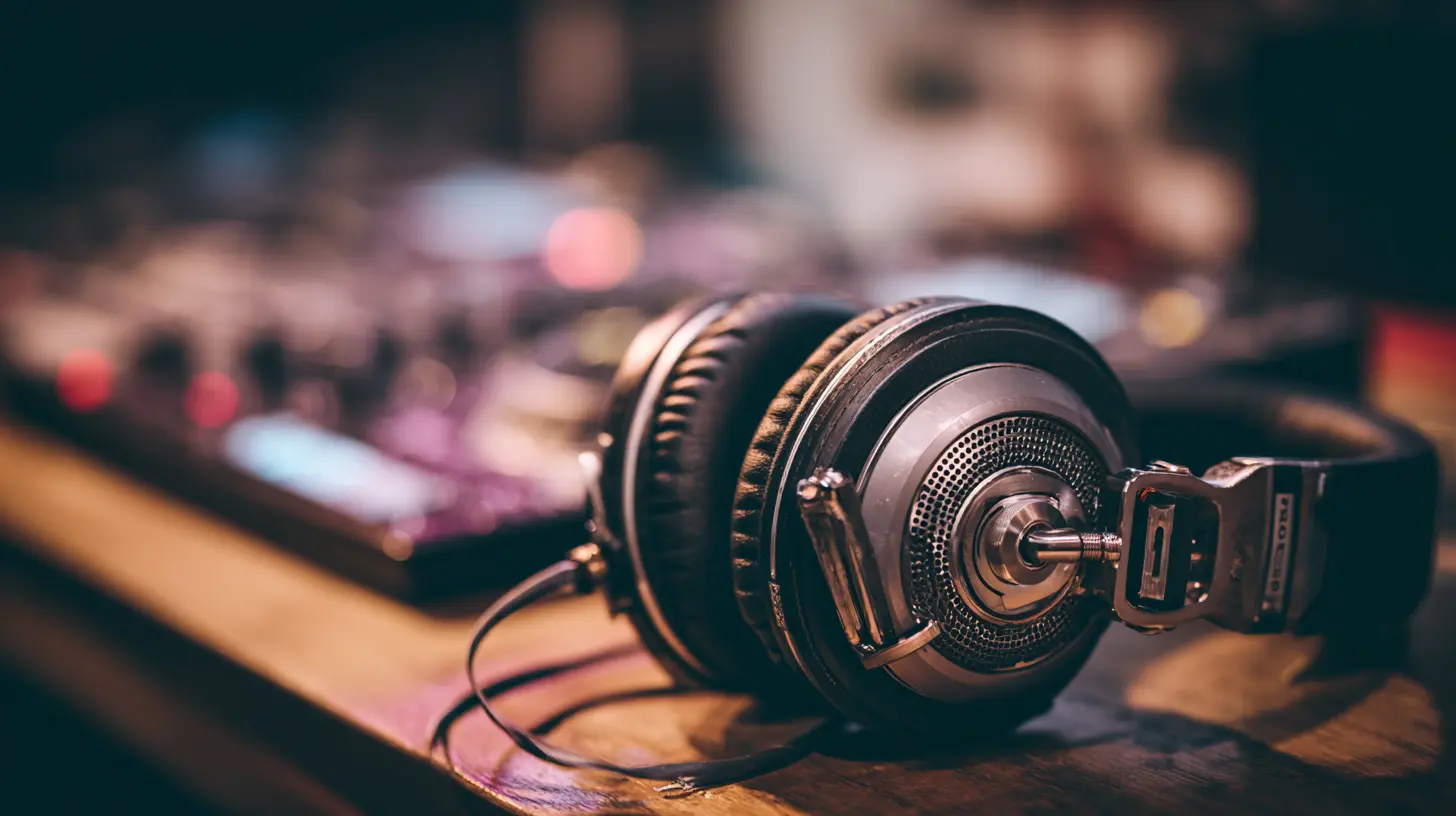
Wired vs. Wireless Headphones – Is Wireless a DJ’s Enemy?
Let’s keep it real—wireless is cool for gym sessions, not for DJing. Latency is the killer here. When you cue a track, you need to hear it instantly—not 200 milliseconds later.Professional DJ headphones should be wired. Period. Bluetooth might work in the studio for casual listening, but on stage? No way. That said, some modern models offer both, so if you really can’t resist wireless, make sure latency is ultra-low and you can switch over to wired mode when it’s showtime.
Top Brands That Rule the DJ Headphone Scene
Looking for reliable names? Check out these tried-and-true headphone brands that pro DJs swear by:- Sennheiser – Loved for precision audio and durability (see: HD25s)
- Pioneer DJ – Built for DJs by DJs (see: HDJ-X10)
- Audio-Technica – Great sound and build without breaking your budget
- Technics – Classic styling and booming performance
- V-MODA – High-quality and built like a tank
- Sony – Legendary sound and comfort (see: MDR-7506)
Budget vs. Premium – What Should You Spend?
You don’t have to sell your car to buy good headphones—but you do get what you pay for.If you’re just starting out, a solid pair in the $100-$150 range can get the job done. You’ll still find great sound and decent build quality.
But if you're hitting clubs every weekend or live-streaming regularly to a growing audience, consider headphones in the $200-$350 zone. You’ll get better sound clarity, stronger construction, and features made for professional use.
Ask yourself:
- How often will I use these?
- What environments will I be DJing in?
- Is this a hobby or a career?
Your answers determine your budget.
DJ Headphones vs. Studio Headphones: Which Should You Pick?
This confuses a lot of people. Studio headphones are for mixing, producing, and mastering in a clean environment. They give you a flat, accurate sound so you can perfect your tracks.DJ headphones? They’re for performance. You want clarity and power, not flatness. DJ headphones emphasize certain frequencies to help you stay locked in the flow while cueing and beatmatching.
If you're both a producer and a performer, you may need two separate pairs—or find a hybrid that does a decent job at both (though compromises will be made).
Maintenance Tips: Keep Your Headphones Alive Longer
Let’s be real—your headphones are an investment. Want them to last? Treat them right:- Always store them in a case
- Avoid coiling cables too tight
- Wipe ear pads regularly (sweat builds up, gross right?)
- Replace parts like ear pads and cables when worn
Taking care of your headphones keeps them comfy, reliable, and sounding crisp. Don’t sleep on maintenance—it’s a small price to pay for long-term performance.
Final Thoughts: Your Headphones, Your Sound
Choosing headphones as a professional DJ isn’t something to rush. They’re more than a tool—they’re an extension of your ears, your rhythm, and your style. When everything's on the line, from the crowd’s vibe to your reputation, your headphones can make or break your performance.So don’t settle. Prioritize sound, comfort, and durability. Remember, this isn’t just about hearing the music—it’s about feeling it, controlling it, and delivering a flawless experience every time you step into the booth.
all images in this post were generated using AI tools
Category:
HeadphonesAuthor:

John Peterson
Discussion
rate this article
1 comments
Nadia Acevedo
Great insights in this article! Choosing the right headphones is crucial for DJs. I appreciate the focus on sound quality and comfort. The tips on testing before purchasing are especially helpful for ensuring the best fit for any performance.
July 6, 2026 at 2:37 AM
John Peterson
Thank you! I'm glad you found the tips helpful. Choosing the right headphones really does make a difference in performance.