How Waterproof Headphones are Changing the Game for Swimmers
19 June 2026
Let’s face it: swimming is an amazing full-body workout, but there's always been one nagging little issue—boredom. You’re gliding back and forth, staring at the pool tiles, with just your thoughts to keep you company. It’s not exactly... thrilling, right?
But guess what? The world of swimming has received a high-tech upgrade. Enter waterproof headphones. Yep, they’re real, and they're revolutionizing how swimmers experience their time in the water. Whether you're doing laps for fitness, training competitively, or just floating for fun, waterproof headphones are flipping the script in the coolest way possible.
In this article, we’re going deep (pun totally intended) into how waterproof headphones are changing the game for swimmers. We’ll explore the tech behind them, their benefits, the best features to look for, and how they’re turning ordinary swim sessions into something a lot more exciting.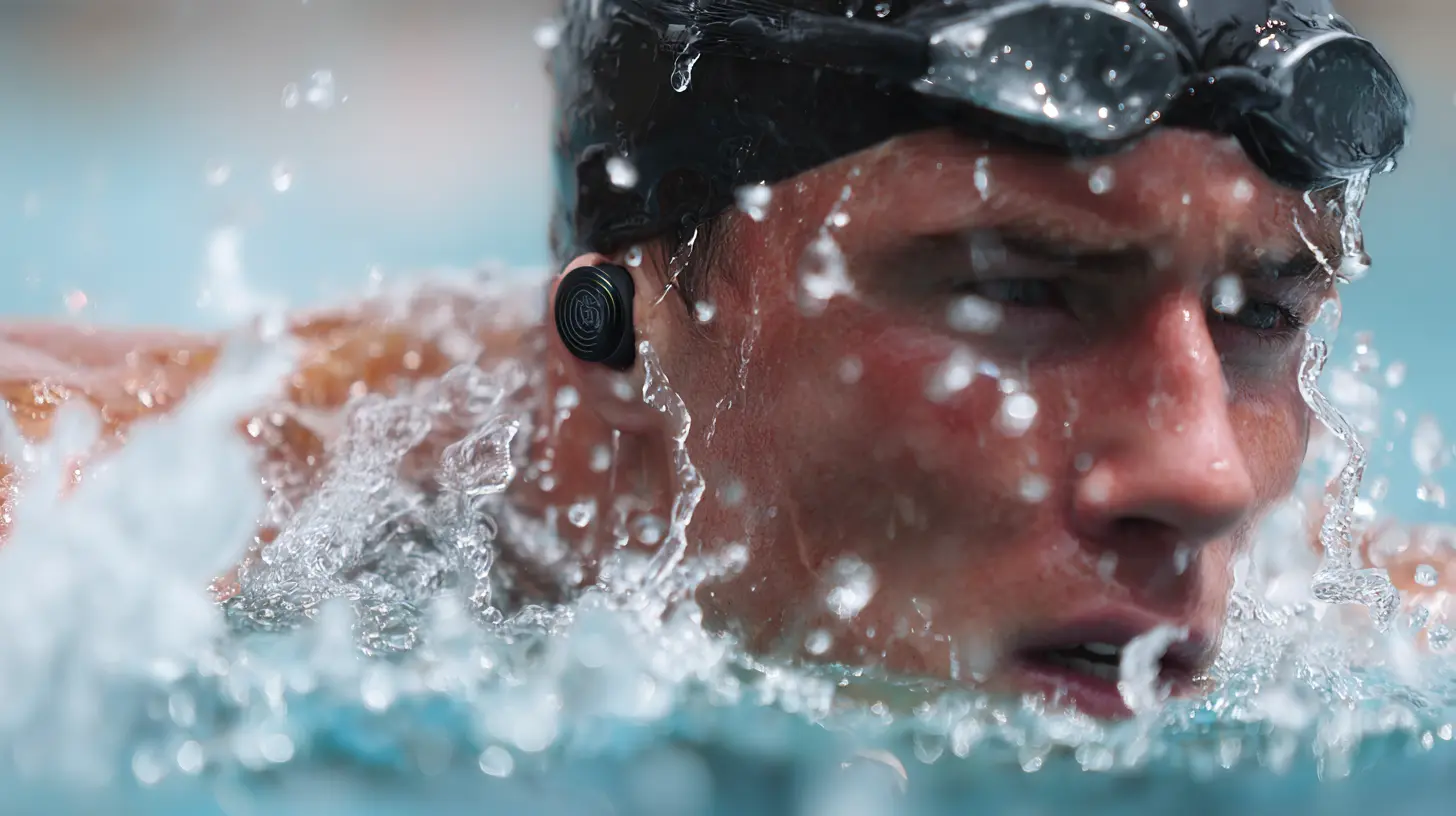
From Silent Strokes to Sonic Splashes
Until recently, swimming with music or a podcast was a no-go. Water and electronics? Not the best mix. But today’s tech wizards have cracked the code. With waterproof headphones, swimmers can now listen to their favorite tunes, audiobooks, or even guided workouts while they swim. Mind-blowing, right?Imagine cruising through your laps while listening to your pump-up playlist, or zoning out with a calming meditation audio on a slow swim day—that's next-level motivation.
So, How Do Waterproof Headphones Actually Work?
Okay, let’s talk tech for a sec.Waterproof headphones aren’t just regular headphones with a splash of resistance. These babies are built to survive full submersion. They use unique technologies like:
- Bone conduction: Instead of sending sound through your eardrums, they vibrate through your cheekbones straight to your inner ear. Wild, huh? This method is super popular because it keeps your ears open—great for awareness and comfort underwater.
- Traditional in-ear: Some swimmers still prefer the snug fit of in-ear headphones with waterproof coating and special seals to keep water out.
Many models come with built-in MP3 players because Bluetooth doesn’t exactly love water (signal strength takes a dive—literally). So instead of worrying about connectivity, you just upload your music onto the headphone device itself.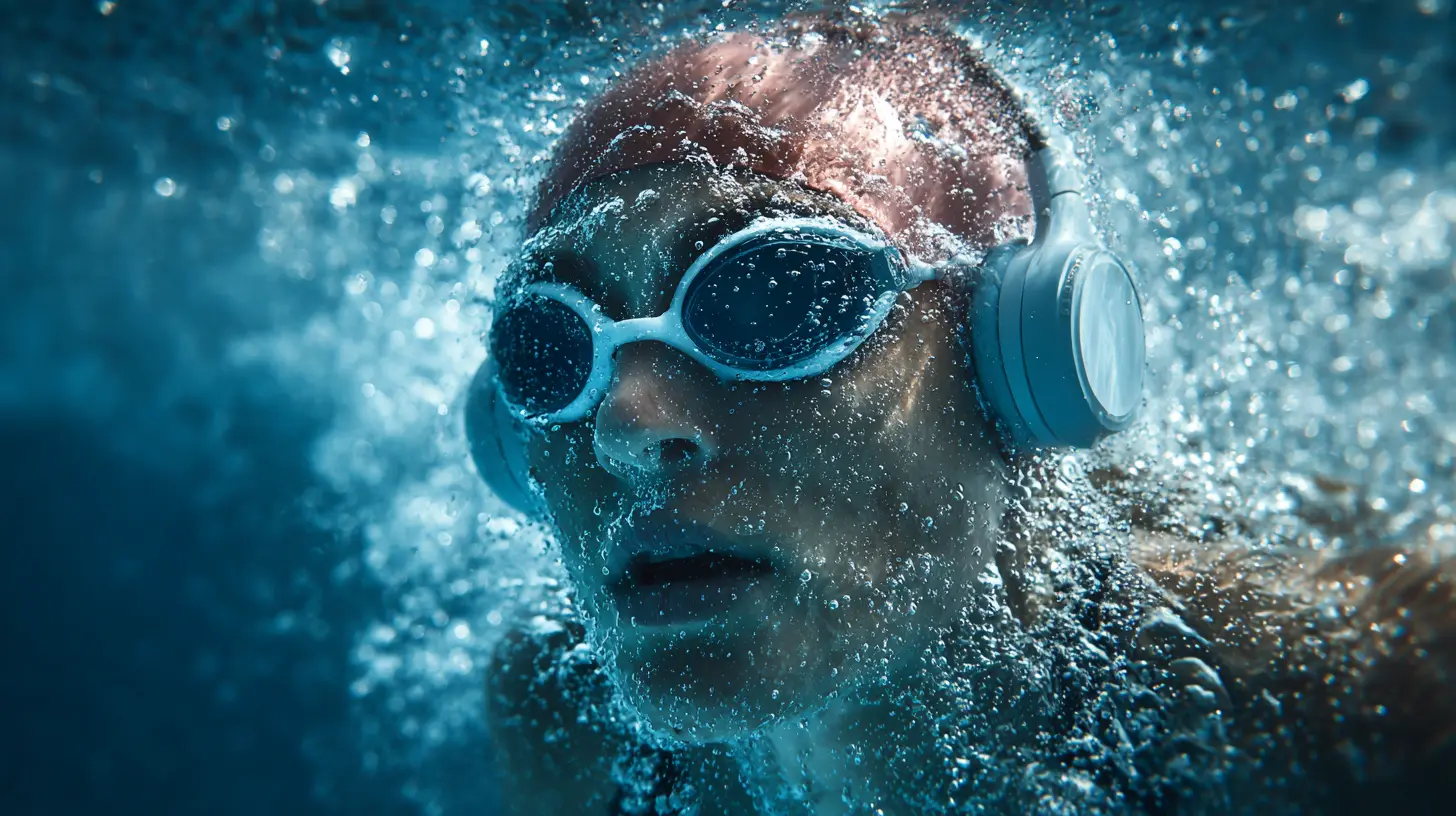
Why Swimmers Are Falling in Love with Waterproof Headphones
Alright, let’s get to the good stuff: how these headphones are actually improving swim life.1. They Keep You Entertained
There’s only so long you can hum “Eye of the Tiger” in your head before it gets old. With waterproof headphones, you’ve got an endless playlist, podcast queue, or audiobook stack to keep your mind busy while your body cruises.2. They Boost Motivation
Music has this magical way of pushing us harder. Ever noticed you run faster when a banger comes on? Same thing applies in the pool. That extra beat can shave seconds off your lap time. It’s mental fuel—and for athletes, that’s gold.3. They Help You Zone In
Swimming’s meditative, but sometimes your thoughts drift (like to that email you forgot to send). A guided meditation or focus-enhancing playlist can help center your mind and keep your strokes steady.4. They Bring Structure to Your Workouts
Some waterproof headphones support audio coaching. Imagine having a virtual swim coach giving you interval instructions or pacing cues. You’re no longer just floating—you’re training with intention.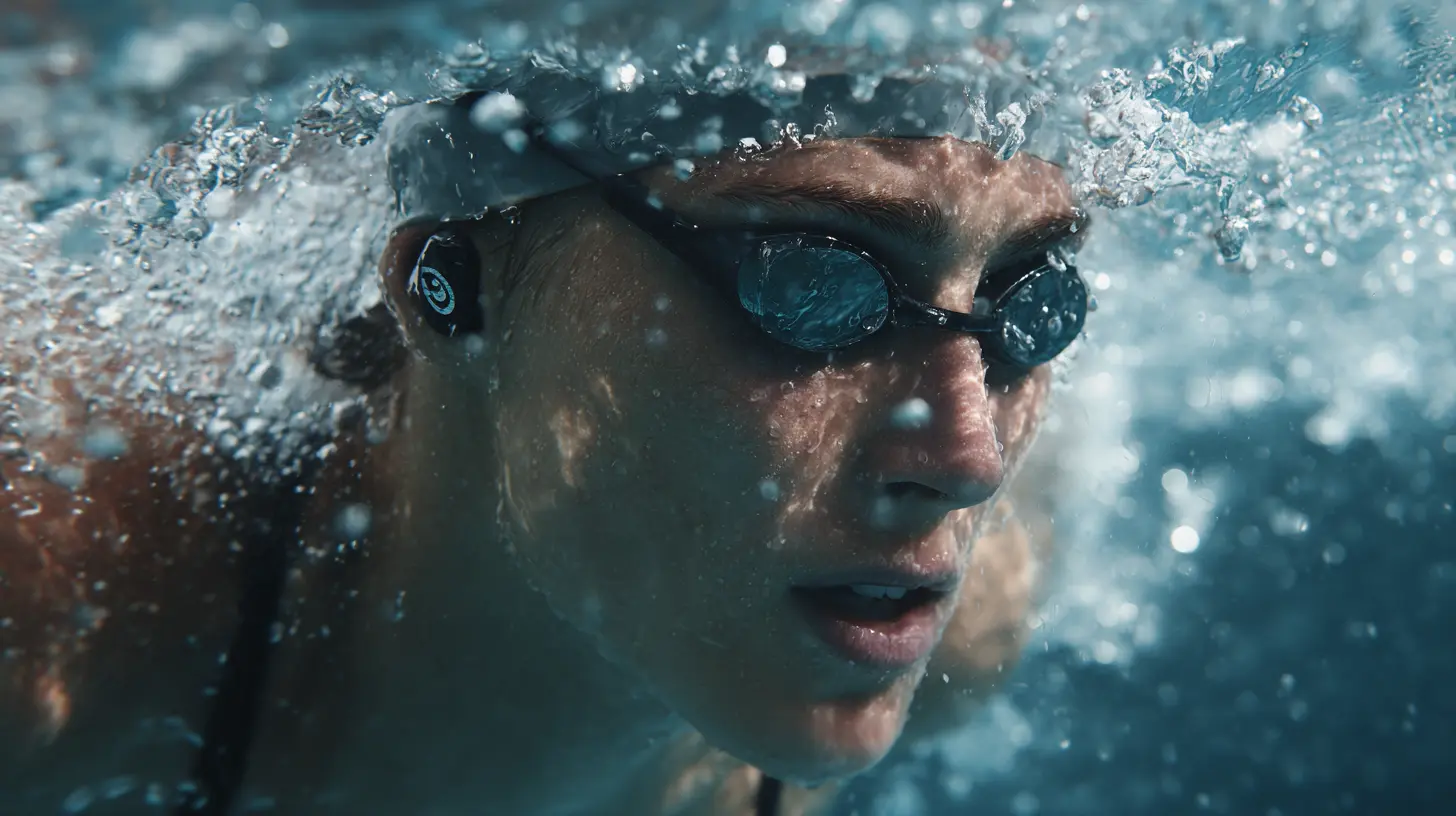
Not Just for Olympians—Every Swimmer Benefits
You don’t need to be Michael Phelps to enjoy the perks. Whether you’re a casual swimmer doing a few laps, a triathlete training for your next big event, or someone recovering from an injury using water therapy, waterproof headphones can drastically improve your experience.Got kids who love pool time? There are models with volume limits and fun designs that will make them the coolest swimmer at the pool.
Older adults doing water aerobics? A soothing playlist or guided session can make it more enjoyable and keep them moving longer.
Common Features That Make a Big Splash
If you’re thinking of diving into the world of waterproof headphones, here’s what to look for:? Waterproof Rating
Look out for IPX ratings. You’ll want at least IPX7, which means it can handle being submerged under 1 meter of water for up to 30 minutes. IPX8 is even better for serious swimmers.? Sound Quality
Underwater acoustics are tricky. Look for headphones that minimize distortion and provide rich sound even beneath the surface. Bone conduction models tend to handle this well.? Storage & Playback
Since Bluetooth and water are frenemies, onboard storage is your friend. Some models come with 4GB to 8GB of storage—which is more than enough for hundreds of songs.? Comfort & Fit
There’s nothing worse than adjusting headphones mid-lap. You want an ergonomic fit that won’t budge. Try before you buy if possible—or go for models with multiple earbud tip sizes for customization.? Battery Life
You don’t want your headphones dying halfway through your swim. Look for models giving at least 6-8 hours of playback on a single charge.Are They Safe to Use in Water?
Absolutely! As long as you choose high-quality ones with proper waterproof ratings. Just make sure you follow the manufacturer's instructions—like rinsing them after use and keeping the charging ports dry.Also, bone conduction headphones are great from a safety standpoint—they leave your ears open, so you can still hear if someone yells “Heads up!” or if a lifeguard needs your attention.
Real Talk: What Are the Downsides?
Let’s keep it real—no gadget is perfect. Here are a few things to keep in mind:- Bluetooth is unreliable underwater, so wireless streaming won't work unless you stay above water (like during water aerobics).
- File transfer can be clunky on some models. It's a bit of a throwback—like loading songs onto an old-school MP3 player.
- Prices vary wildly. High-end models can be a bit pricey, but if you’re serious about swimming, they’re worth the investment.
Top Waterproof Headphone Brands Making Waves
Here are a few swimmer-approved favorites:- Shokz OpenSwim (formerly AfterShokz Xtrainerz) – Bone conduction, 4GB storage, IP68 rating. Super comfortable.
- Sony NW-WS413 – Waterproof & dustproof, 4GB storage, good sound quality.
- FINIS Duo – Bone conduction, no earbuds at all, 4GB storage, designed specifically for swimmers.
- H2O Audio Sonar – Great for lap swimmers, up to 8GB storage, MP3 support plus optional Apple Watch integration.
How to Use Waterproof Headphones Like a Pro
Ready to jump in? Here's how to make the most of your new swimming sidekick:1. Curate your playlist in advance. Whether you’re into high-tempo workout jams or calming instrumental, prep your tracks to match your swim goal.
2. Fit is everything. Spend time adjusting your headphones before entering the water. A snug fit keeps it comfy—and your music where it belongs.
3. Mix it up. Alternate between music, podcasts, and guided workouts. It keeps things fresh and ensures you're training both body and brain.
4. Charge it regularly. No one likes hitting the water only to hear the dreaded beep of low battery.
5. Rinse and dry. Treat your gadget right, and it'll go the distance. A quick rinse in fresh water helps avoid chlorine or salt buildup.
The Future of Swimming Is Sonic
Waterproof headphones are no gimmick—they’re a legit game-changer. They make solo swim sessions more fun, training more effective, and water workouts more immersive. For many swimmers, they’ve shifted the sport from something meditative but monotonous to something engaging, dynamic, and—dare we say—fun.So next time you’re heading to the pool, don’t just grab your goggles and swim cap. Slide on your waterproof headphones and bring your soundtrack with you. It’s time to turn that splash into a symphony.
all images in this post were generated using AI tools
Category:
HeadphonesAuthor:

John Peterson
Discussion
rate this article
1 comments
Keira Hardy
Great article on waterproof headphones! It's exciting to see how they enhance the swimming experience. With improved sound quality and durability, they truly are a game changer for swimmers looking to enjoy music while training. Keep up the great content!
June 28, 2026 at 4:25 AM
John Peterson
Thanks for your thoughts! I'm glad you enjoyed the article. Waterproof headphones really do make a difference for swimmers.