How Wearable Tech Is Changing the Way We Experience Music Festivals
26 January 2026
Music festivals have always been a sensory feast for the eyes and ears—vibrant lights, booming speakers, and crowds moving to the rhythm of their favorite artists. But something new is happening. The way we experience music festivals is evolving, and it’s thanks to wearable technology. Yes, we’re talking about more than just funky wristbands. Wearable tech is changing the game, making festivals more immersive, convenient, and downright futuristic.
Whether it’s enhancing the sound experience or making it easier to navigate through massive crowds, wearable tech is transforming the festival scene. Let's dive into how exactly it's happening and how it might completely reshape the future of live music events.
The Rise of Wearable Tech at Festivals
It wasn’t long ago that the most "techy" thing you'd see at a festival was a camera phone capturing the moment. Fast forward to today, and wearable tech is becoming an essential part of the festival experience.We're talking about smart wristbands, augmented reality (AR) glasses, and even biometric sensors. These gadgets aren't just cool accessories; they’re functional tools that enhance your overall festival experience. From seamless payments to interactive light shows, wearable tech is weaving itself into the very fabric of music festivals.
But why has this trend gained so much traction? Well, it’s simple—people want more. They want more convenience, more interaction, and more immersion. And wearable tech delivers all of that, wrapped in a sleek, futuristic package.
Contactless Payments: Wristbands That Do It All
Gone are the days of digging through your bag or pockets for cash or credit cards. Today, many music festivals have adopted RFID (Radio Frequency Identification) wristbands. These little pieces of tech are not just your entrance ticket but also your wallet.Imagine this: You’re standing in line for merch or food, and instead of fumbling around for cash, all you need to do is tap your wristband. Boom, transaction complete. These wristbands are linked to your digital wallet, making transactions fast and hassle-free.
Not only do these wearable payment systems improve convenience, but they also reduce the risk of theft or loss. No more stressing about where you stashed your wallet—you’re wearing it right on your wrist. Plus, festival organizers can track the flow of money and movement, helping them improve events for the future.
Enhanced Audio Experiences: Feel the Music, Literally
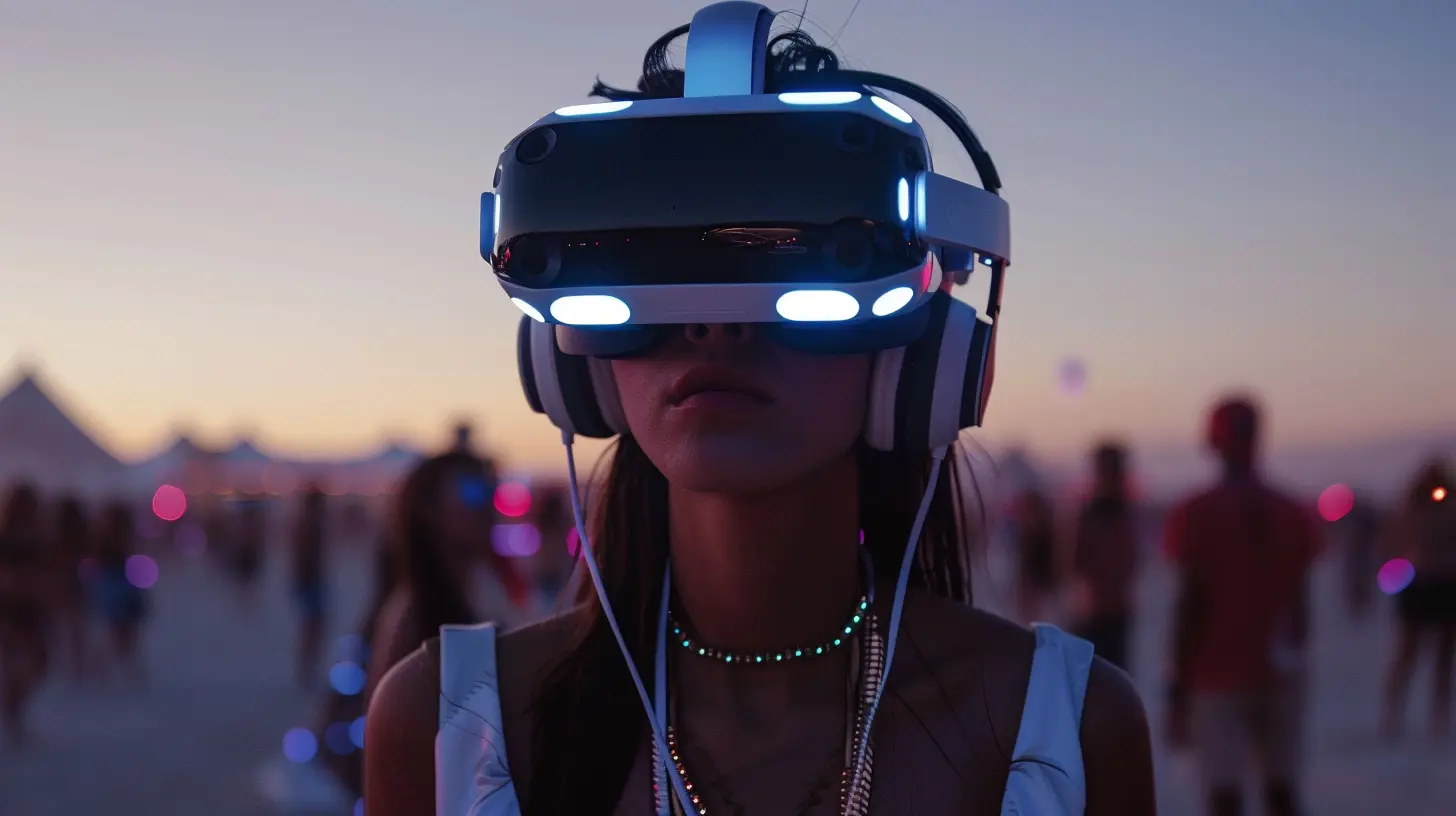
It’s not just about hearing the music anymore; it’s about feeling it. Wearables like haptic vests or wristbands are now being used to enhance the festival-goer’s audio experience. These devices vibrate in sync with the bass or certain frequencies, making you literally feel the music through your body.Imagine standing in front of the stage at a massive EDM festival, and as the beat drops, you not only hear the thundering bass but feel it ripple through your chest, arms, and back. It’s an entirely new sensory layer to the music experience—one that brings you closer to the performance in ways that were previously unimaginable.
Sound too futuristic? It’s already happening. Companies like SUBPAC are leading the charge in this space, developing wearable audio systems that give music lovers a more immersive experience. These devices are especially popular in electronic dance music (EDM) genres, where heavy bass is king, but the potential applications cross over into all types of live music.
Augmented Reality and Virtual Reality: A New Dimension to Live Shows
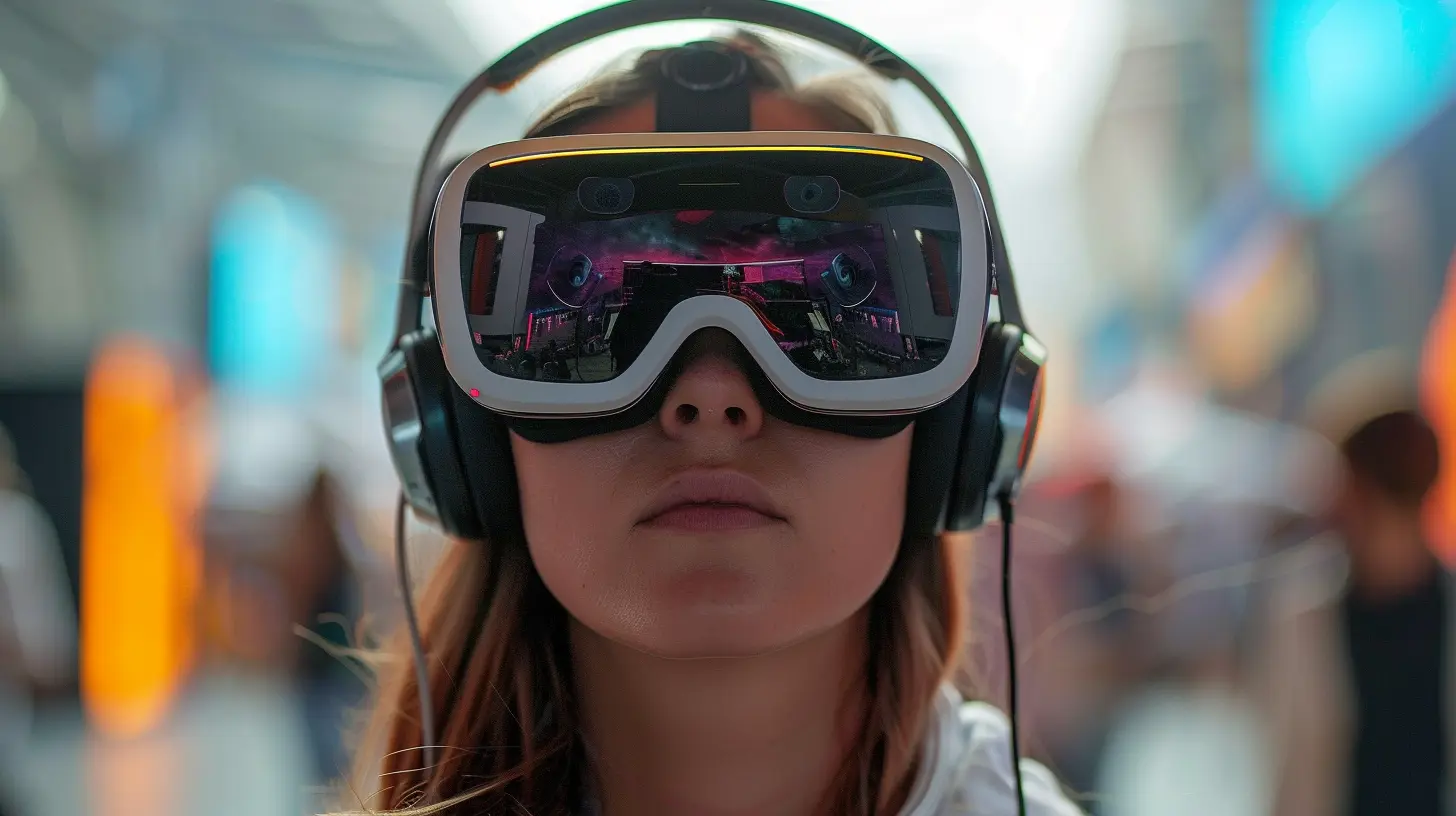
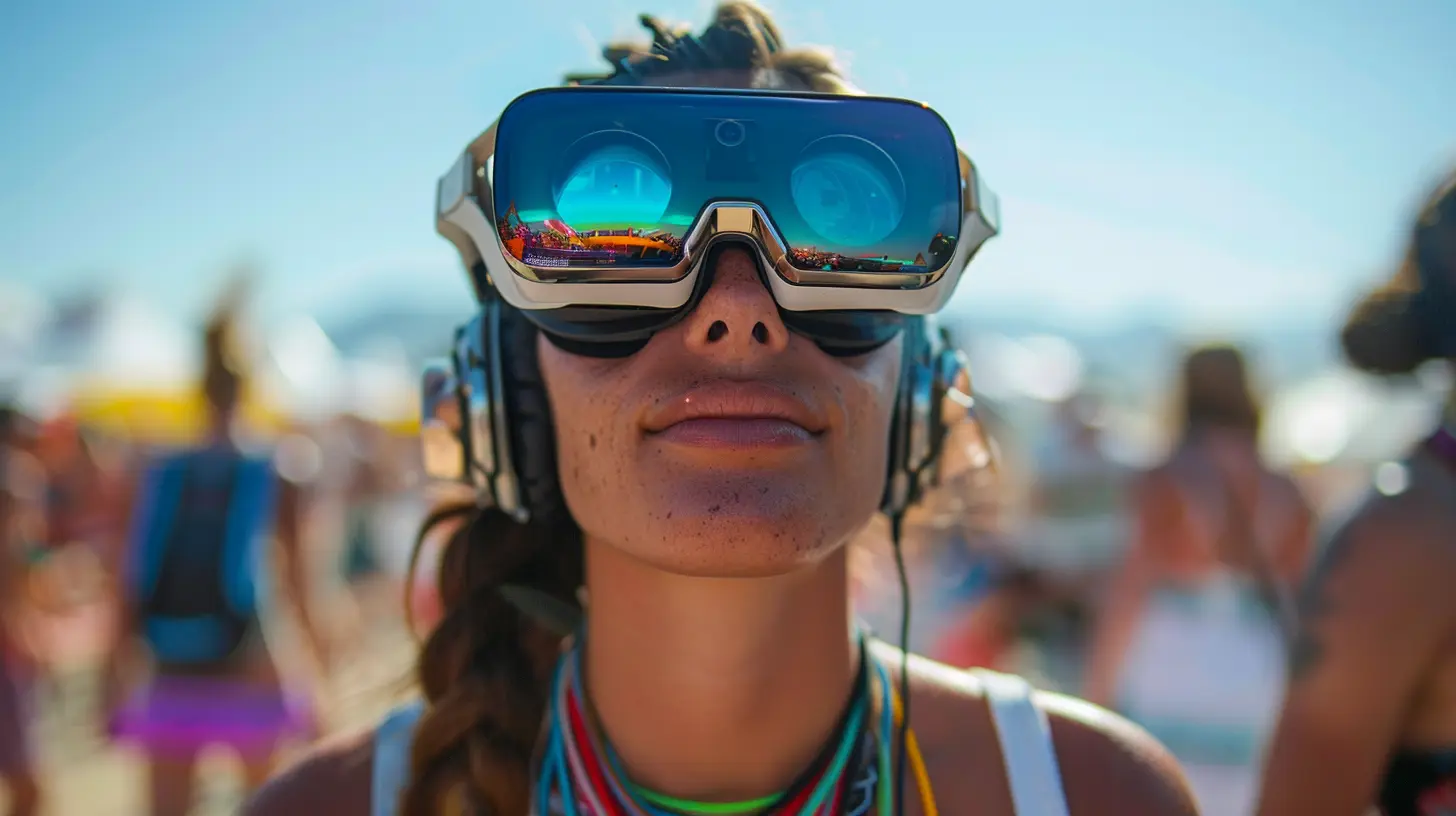
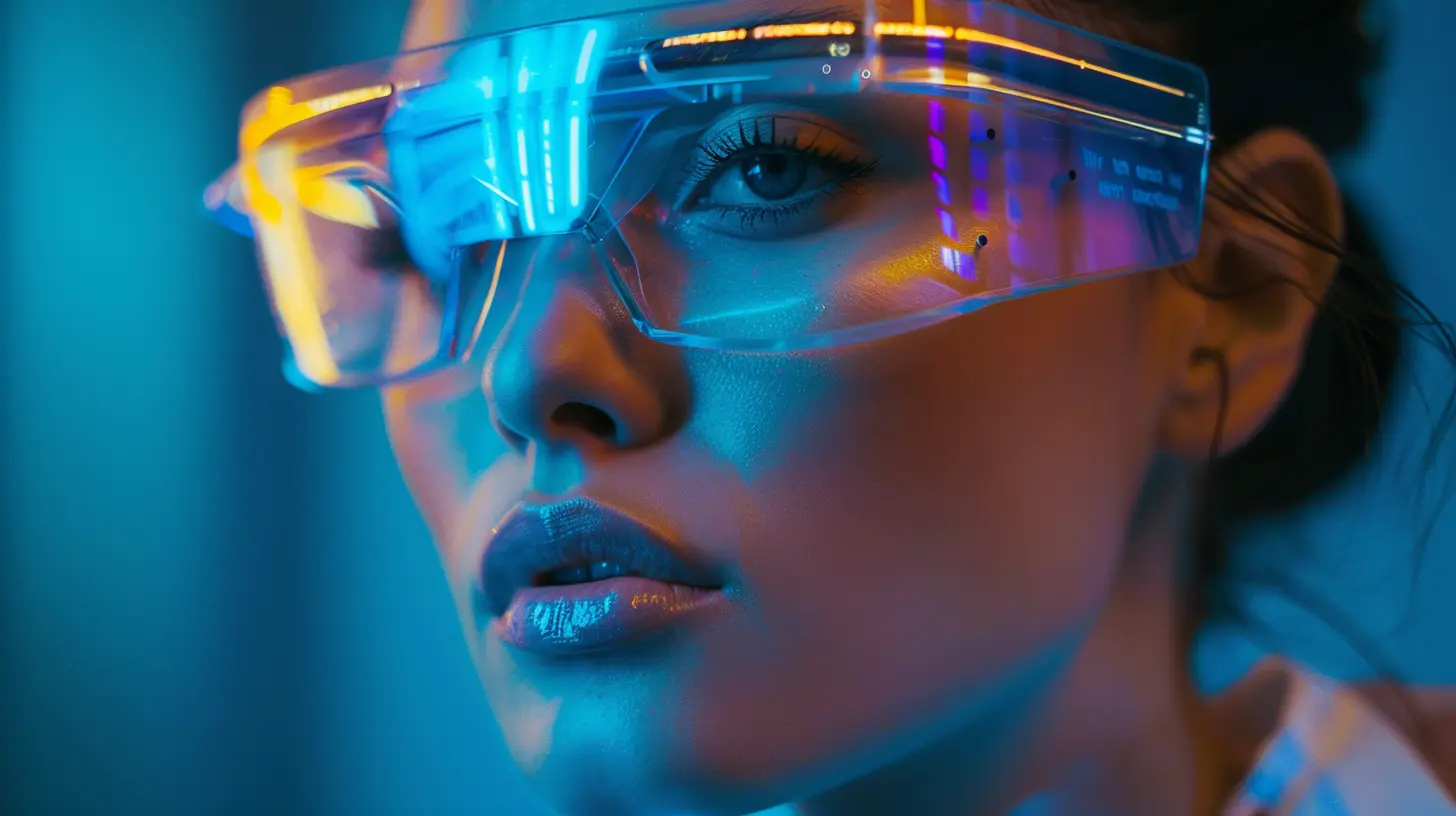
If you think wearing a pair of AR glasses at a music festival sounds crazy, think again. Augmented reality (AR) and virtual reality (VR) are slowly making their way into the festival scene. Imagine wearing a pair of AR glasses that allow you to see visual effects that are invisible to the naked eye—like floating holograms around the stage or interactive animations that sync with the music.For example, AR could allow you to overlay track lyrics or artist bios on your view of the stage. You could even get real-time information about the setlist or upcoming performances, all without taking your eyes off the show.
Virtual reality, while still in its infancy for live events, could also play a big role in the future. Festivals could offer remote VR experiences, allowing fans from around the world to virtually “attend” a festival from the comfort of their homes. Imagine putting on a VR headset and feeling like you’re standing in the middle of a festival crowd, jamming out with fans from across the globe. Sounds wild, but it’s closer than you think.
Fitness Trackers and Biometric Sensors: Keeping You Safe and Sound
Festivals can be physically demanding. From walking miles between stages to dancing for hours, staying safe and hydrated is crucial. This is where wearable fitness trackers and biometric sensors come into play.Some festivals are encouraging attendees to wear fitness bands or smartwatches that monitor heart rates, stress levels, and even hydration levels. These devices can alert you if your body is under strain, reminding you to take a break, hydrate, or even seek medical help if necessary.
Organizers can use this data to ensure the safety of festival-goers. For example, if a large number of people in one area show elevated heart rates or signs of dehydration, festival staff can be dispatched to provide assistance. It’s a win-win for both attendees and organizers—a safer, more enjoyable experience for everyone involved.
Light Up the Night: LED Wearables for Crowd Interaction
Ever notice the sea of glowing wristbands or LED clothing during a headliner’s set? That’s no accident. Wearable LED tech has become a popular way for festival-goers to engage with the music and with one another.Many festivals now offer LED wristbands or clothing that syncs with the music, creating an immersive light show that involves the entire crowd. Instead of being a passive observer, you become part of the spectacle. Your wristband might pulse to the beat, change colors based on the mood of the song, or even interact with the stage lights.
This kind of crowd interaction creates a communal vibe, connecting people on a deeper level through shared visual and auditory experiences. It’s like attending a massive, choreographed party where everyone’s in sync—not just with the music but with each other.
Real-Time Notifications and Festival Navigation
How many times have you missed your favorite artist’s set because you were stuck in a long line or didn’t know where the stage was? Wearable tech is helping solve that problem, too.Smart wristbands and even festival-specific apps linked to wearables can provide real-time notifications about performances, stage changes, or emergency alerts. Some wearables even offer navigation features, guiding you to the nearest bathroom, food vendor, or friend in the crowd.
Imagine receiving a gentle buzz on your wrist when it’s time to head to the next stage to catch your must-see act. No more frantic checking of schedules or maps. These wearables keep you on track and in the know without pulling you out of the immersive festival experience.
Sustainability and Wearable Tech
Let’s not forget the environmental impact of music festivals. With thousands of people attending, festivals often leave behind a massive carbon footprint. However, wearable tech can actually play a role in making festivals more sustainable.For instance, RFID wristbands can be reused year after year, cutting down on paper tickets and other waste. Some festivals are even experimenting with wearables that track attendees' carbon footprint, encouraging them to make eco-friendly choices while at the event.
Imagine getting a nudge on your wristband reminding you to recycle your drink cup or offering a reward for using sustainable transportation to get to the event. Wearable tech could help festivals become more eco-conscious, making the experience better for the planet as well as the people attending.
The Future of Wearable Tech at Music Festivals
We’re really just scratching the surface here. As technology continues to advance, the integration of wearables into the music festival experience will only grow. Who knows—maybe in a few years, we’ll have smart clothing that changes its look based on the music’s tempo or brainwave-reading headsets that can choose songs based on your mood.One thing’s for sure: wearable tech is not just a passing trend. It’s here to stay, and it’s changing how we experience music festivals in ways we could have never imagined. Whether it’s through immersive sound experiences, enhanced crowd interaction, or simply making the festival more convenient and safe, wearable tech is shaping the future of live music.
So next time you head to a festival, take a moment to notice the tech around you. It’s not just about the music anymore—it’s about how you experience it.
all images in this post were generated using AI tools
Category:
Wearable TechAuthor:

John Peterson
Discussion
rate this article
2 comments
Katherine Russell
Embrace the future of music festivals! Wearable tech is revolutionizing our experiences, connecting us deeper with the music and each other. Get ready to dance to the beat of innovation!
March 5, 2026 at 4:20 AM
John Peterson
Absolutely! Wearable tech is enhancing our festival experiences by fostering deeper connections and interactive engagement. Exciting times ahead!
Ulrich Evans
Great read! It's exciting to see how wearable tech is enhancing the festival experience. From tracking our vibes to connecting with friends, it’s all about making memories even better! 🎶✨
February 2, 2026 at 3:31 AM
John Peterson
Thank you! I'm glad you enjoyed it. Wearable tech truly is transforming how we connect and create memorable moments at festivals! 🎉