Self-Healing Materials: The Future of Indestructible Gadgets
28 December 2025
Ever dropped your phone and watched in horror as a crack slowly spread across the screen like a spiderweb? Yeah, we've all been there. But what if your phone could just… fix itself? No trip to the repair shop. No expensive replacements. Just a little time, and poof! Good as new. Sounds like sci-fi, right? Well, welcome to the amazing world of self-healing materials.
These next-gen materials are set to change everything about how we build and use our devices. From smartphones that repair their own screens, to wearables that “heal” like skin—this tech could make broken gadgets a thing of the past. Let’s dive into how it works and why it’s going to be a total game-changer.
What Are Self-Healing Materials, Anyway?
Let’s keep it simple. Self-healing materials are engineered substances that can automatically repair damage without human intervention. Think of them like the Wolverine of the material world—get a scratch, crack, or break, and they naturally recover, just like a healing wound.These materials can be polymers, composites, metals, or even ceramics. They’re designed to mimic biological systems, such as how our skin heals after a cut. They're not magic—but they’re pretty darn close.
How Do They Work?
Alright, here's the cool part.Self-healing materials depend on smart chemistry. Different types use different mechanisms, but generally, they fall into two categories:
1. Intrinsic Self-Healing
These materials have built-in capabilities that allow them to heal without any external help. Their chemical structure rearranges or rebinds when damaged. It’s like when your skin scabs and knits itself back together—only it’s your phone doing that.Example: Polymers with dynamic chemical bonds that reconnect when broken. Just a bit of heat or light, and boom, the scratch is gone.
2. Extrinsic Self-Healing
This involves microcapsules or networks embedded inside the material. When a crack forms, these capsules release a healing agent—sort of like popping a blister that releases healing fluid.Example: A coating on a car that, when scratched, releases a liquid that hardens and restores the surface.
Pretty fascinating, right?
The Tech Behind the Magic: Materials in Use
Wondering what kinds of materials are already out there doing this cool stuff? Here’s a rundown:✅ Self-Healing Polymers
These are flexible, plastic-like materials known for memory and elasticity. They can be used in smartphone cases, electronic skins, and medical devices. One small tear? Say no more—the break starts fusing on its own.✅ Self-Healing Gels and Hydrogels
Used in wearables and bio-sensors. They’re soft, stretchable, and perfect for gadgets that wrap around your wrist. They mimic biological tissue, so they heal quickly and repeatedly.✅ Self-Healing Coatings
Think anti-scratch coatings on watches, glasses, and phones. A small scratch activates a chemical reaction that seals the mark seamlessly.✅ Self-Healing Ceramics and Metals (Still Experimental)
These are in early research phases. We’re talking about the future of aircraft, spacecraft, and ultra-durable gadgets. They’re tough materials with built-in abilities to seal micro-cracks under stress.
Why Should You Care? The Real-World Benefits
We’re not talking about gimmicks here. Self-healing materials have some seriously powerful benefits that go far beyond just saving your phone.🛡️ Durability Like Never Before
Devices made with these materials could last years longer. They can handle impact, wear, and minor damage without falling apart. You drop your phone—no shattered glass. Your smartwatch screen scratches—gone overnight.💸 Cost-Saving Over Time
Forget shelling out hundreds for a screen replacement or a new gadget every couple of years. With self-healing features, your tech investment stretches way further.🌍 Eco-Friendly and Sustainable
Here’s the kicker: this tech can directly fight e-waste. Imagine fewer gadgets trashed because they broke easily. Repairs and replacements go down, which is a win for both your wallet and the planet.⚙️ Hands-Off Maintenance
With devices that fix themselves, you don’t need to worry about minor repairs. Your tech looks after itself. That’s the dream.Where Are Self-Healing Materials Already Being Used?
Let’s take a peek at how this sci-fi-sounding stuff is already sliding into our lives:📱 Smartphones
Some flagship phones already include scratch-healing back panels. LG, for example, had models with back coatings that could “heal” fine scratches in minutes.⌚ Smartwatches and Wearables
Wearables go through a lot—sweat, movement, bumps. Self-healing straps and screens can extend their lifespan dramatically.🚗 Automotive Industry
Car paints and windshields are experimenting with self-healing tech to keep vehicles looking fresh and functioning longer—without trips to the auto shop.🧪 Medical Devices
Pacemakers, implants, and biosensors use self-healing materials to improve functionality and reduce the risk of failure inside the human body.✈️ Aerospace and Defense
Military tools and aircraft are testing materials that can seal damage from impact—reducing maintenance and increasing mission survivability.What’s Holding It Back? (And What’s Coming Next)
Sure, the tech is awesome—but it’s not perfect yet. We’ve still got a few speed bumps.⚠️ Challenges
- Scalability: Making these materials on a large scale is still pricey.- Speed of Healing: Some take hours or days to fully mend.
- Environmental Triggers: Many require heat, light, or pressure to activate the healing.
- Strength: Not all healed areas match the original strength.
But don’t worry—scientists are on it. And progress is moving fast.
🔮 The Near Future
Here’s where things get exciting. Future iterations of self-healing materials are aiming for:- Faster, more reliable healing (in seconds!)
- Materials that can heal over and over again—not just once
- Healing under extreme conditions (think space or deep-sea tech)
- Integration into flexible electronics, foldable phones, and AR wearables
Imagine foldable phones that don’t crease, earbuds that self-repair after a fall, or virtual reality gloves that fix themselves. That future? It’s not far off.
What Would “Indestructible Gadgets” Really Mean?
Let’s play with this idea for a second.Phones that bounce back after a fall. Screens that laugh at scratches. Wearables that last as long as you live. Would we even need protective cases anymore? Would tech companies shift toward modular products designed to update instead of replace?
Self-healing materials have the potential to make tech more like living organisms—resilient, adaptive, and long-lived. That changes not just how we use gadgets, but the entire consumer electronics industry.
Final Thoughts
We’re standing at the edge of a tech revolution. Self-healing materials aren’t just about convenience—they’re about transforming the very nature of our relationship with devices. They promise a future where our gadgets take care of themselves, where longevity replaces disposability, and where indestructible tech isn’t a dream—it’s the norm.So the next time your phone screen cracks or your smartwatch gets scuffed, just remember: soon, it might not matter. Because the future of indestructible gadgets is healing itself, one molecule at a time.
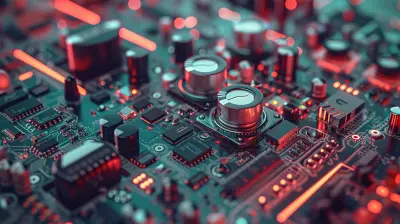
all images in this post were generated using AI tools
Category:
Future TechAuthor:

John Peterson
Discussion
rate this article
2 comments
Darby Bishop
This is such an exciting read! Self-healing materials could really change the game for gadgets. Imagine a phone that repairs itself from drops and scratches—what a relief! Can't wait to see this tech in everyday products!
February 5, 2026 at 5:27 AM
John Peterson
Thank you! The potential of self-healing materials is indeed thrilling, and they could revolutionize our gadgets for the better. Stay tuned for more developments!
Julian Fry
Exciting innovations ahead! Can't wait for self-healing gadgets!
January 6, 2026 at 1:43 PM
John Peterson
Thank you! The potential of self-healing materials truly promises to revolutionize gadget durability. Exciting times ahead!