Smart Home Sensors: The Silent Guardians of Modern Living
4 March 2026
Technology has come a long way in making our lives more convenient, efficient, and secure. And at the heart of smart homes, silently watching over us, are smart home sensors—the unsung heroes of modern living. These tiny yet powerful devices transform ordinary homes into intelligent spaces, ensuring comfort, safety, and energy efficiency.
But how exactly do they work? And why are they essential for your smart home? Let's dive in and uncover the role of these silent guardians.
What Are Smart Home Sensors?
Smart home sensors are small, wireless devices designed to detect changes in the environment—movement, temperature, light, moisture, and more. The moment a sensor picks up a change, it sends signals to a connected device, prompting an action.For example, a motion sensor detects movement in your backyard at night and activates floodlights, scaring away potential intruders. Pretty neat, right?

Types of Smart Home Sensors and Their Uses
Smart home sensors come in various types, each serving a unique purpose. Let's break down the most common ones and how they enhance our daily lives.1. Motion Sensors – The Watchful Eyes
Ever walked into a room, and the lights automatically turned on? That’s the magic of motion sensors.Functionality:
- Detects movement in a specific area.
- Triggers actions like turning on lights, sounding alarms, or sending alerts.
Use Cases:
✔️ Security systems to detect intruders.
✔️ Automating lights when you enter a room.
✔️ Smart thermostats adjusting temperature based on occupancy.
2. Temperature and Humidity Sensors – The Comfort Controllers
Your home should always feel just right—not too hot, not too cold, and with perfect humidity levels.Functionality:
- Measures temperature and humidity levels, sending data to smart thermostats or humidifiers.
Use Cases:
✔️ Maintaining a comfortable indoor climate.
✔️ Preventing mold growth in damp areas.
✔️ Optimizing heating and cooling systems to save energy.
3. Door and Window Sensors – The Invisible Guards
Forget wondering whether you left a window open. Door and window sensors have your back.Functionality:
- Detects when doors or windows are opened or closed.
Use Cases:
✔️ Sends alerts if a door/window is opened when you’re away.
✔️ Works with smart locks for automated security.
✔️ Conserves energy by turning off heating/cooling if a window is left open.
4. Water Leak Sensors – The Flood Preventers
Water damage can be a nightmare—but a small sensor can save you thousands in repairs.Functionality:
- Detects leaks and moisture where they shouldn’t be.
Use Cases:
✔️ Alerts homeowners to leaks before they become major problems.
✔️ Automatically shuts off the water supply in case of a significant leak.
✔️ Protects basements, bathrooms, and kitchens from water damage.
5. Smoke and Carbon Monoxide Sensors – The Lifesavers
Safety first! You can’t see or smell carbon monoxide, making these sensors absolutely crucial.Functionality:
- Detects smoke and hazardous levels of carbon monoxide.
Use Cases:
✔️ Sends alerts before smoke or CO levels become dangerous.
✔️ Works with smart alarms to wake residents during emergencies.
✔️ Can trigger HVAC systems to ventilate the area if CO is detected.
6. Light Sensors – The Energy Savers
Wouldn’t it be great if your lights adjusted automatically based on natural light levels?Functionality:
- Detects ambient light levels and adjusts indoor lighting accordingly.
Use Cases:
✔️ Saves energy by dimming or turning off lights during the day.
✔️ Enhances security by turning on lights when it's dark.
✔️ Works with smart curtains to optimize indoor lighting.
7. Air Quality Sensors – The Breath of Fresh Air
Indoor air pollution is a silent health threat, but air quality sensors help keep your air clean.Functionality:
- Measures pollutants, allergens, and CO2 levels in the home.
Use Cases:
✔️ Works with air purifiers to remove harmful particles.
✔️ Alerts homeowners about poor air quality.
✔️ Helps control ventilation for a fresher indoor environment.
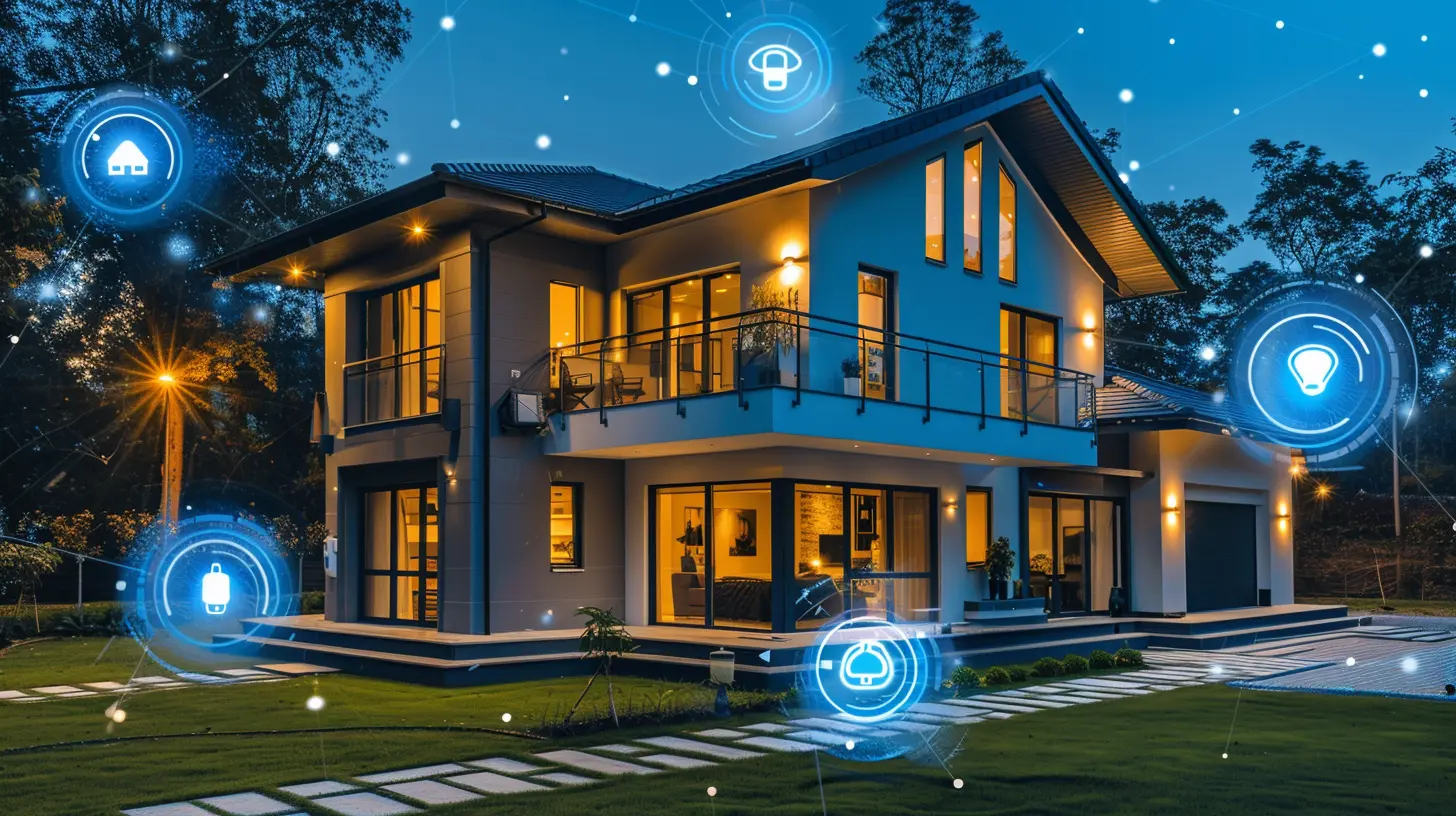
Why Smart Home Sensors Are Essential
If you've ever left the house wondering if the door is locked or the lights are off, smart home sensors can take those worries away. Here’s why they’re a must-have:1. Enhanced Security
Motion sensors, door/window sensors, and surveillance integrations keep intruders at bay.2. Energy Efficiency
Why waste electricity or heating if no one’s home? Sensors make real-time adjustments to cut down energy usage.3. Convenience and Comfort
Lights that turn on as you enter, thermostats adjusting based on the weather—life just gets easier.4. Preventing Disasters
Early water leak detection or carbon monoxide warnings can literally save lives and property.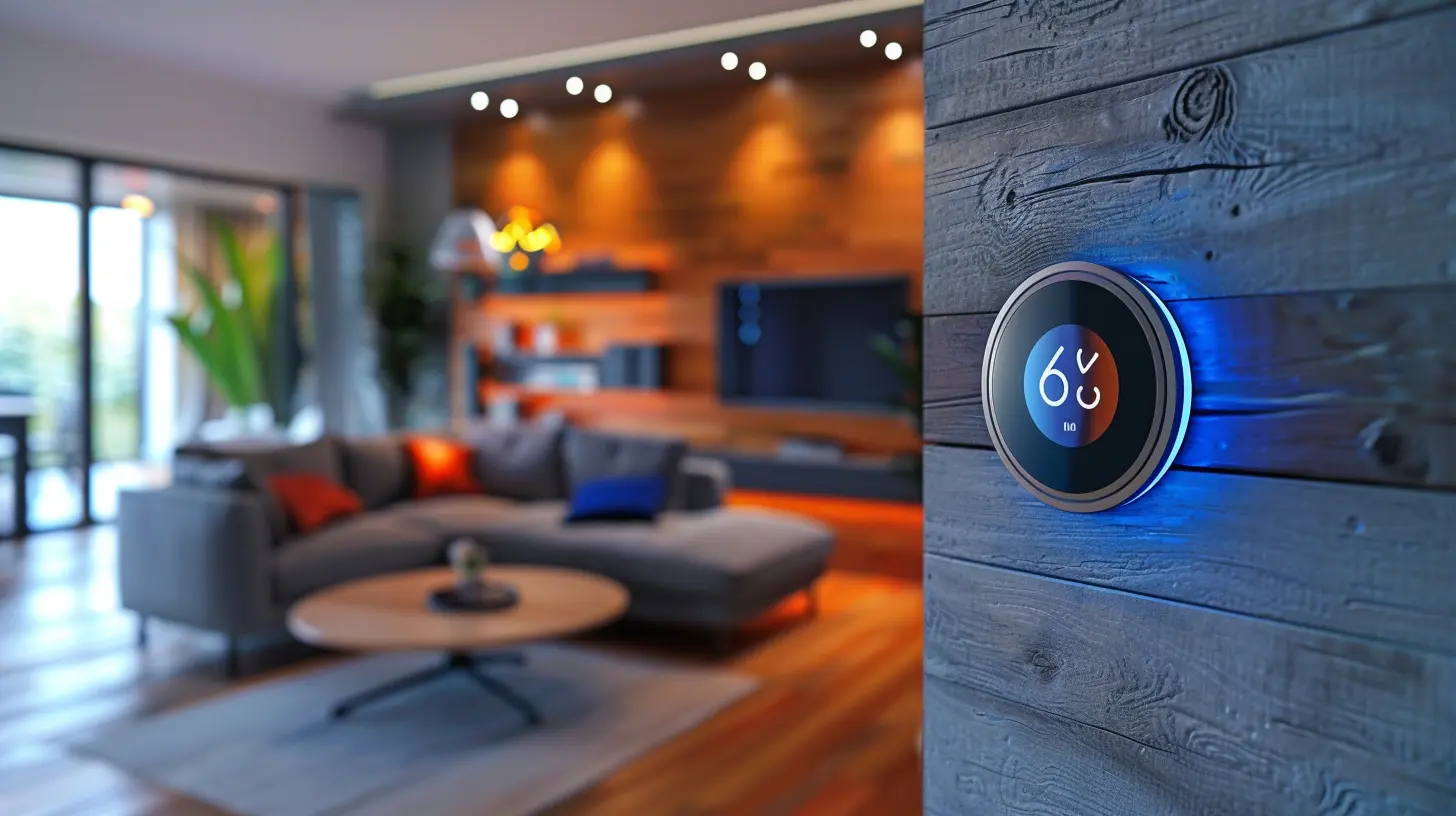
How to Integrate Smart Sensors in Your Home
Now that you know the importance of smart home sensors, here’s how to get started with them:1. Choose a Smart Home Ecosystem
Are you using Amazon Alexa, Google Home, or Apple HomeKit? Make sure your sensors are compatible.2. Prioritize What You Need
- Want better security? Start with motion and door/window sensors.- Concerned about comfort? Temperature and air quality sensors are your best bet.
- Live in a flood-prone area? Water leak sensors should be a priority.
3. Install Strategically
- Place motion sensors near entry points and hallways.- Install smoke and CO sensors near bedrooms and kitchens.
- Put water leak sensors under sinks, next to water heaters, and in basements.
4. Automate and Customize
Use smart home apps to create automation rules. For example:- If motion is detected after midnight, turn on the security lights.
- If the temperature drops below 65°F, adjust the heating.
- If carbon monoxide is detected, send an alert and turn on ventilation.
The Future of Smart Home Sensors
Smart home sensors are only getting smarter. Future advancements will include✔️ AI-driven automation for even better efficiency.
✔️ Predictive analytics to anticipate potential problems.
✔️ Better battery life and wireless connectivity.
Soon, your home won’t just react to changes—it will anticipate them. Imagine your thermostat learning your habits or your security system predicting potential break-ins before they happen.
Final Thoughts
Smart home sensors work quietly in the background, making life safer, smarter, and more convenient. Whether it’s saving energy, ensuring security, or preventing disasters, these devices are the silent guardians of modern living.So, are you ready to upgrade your home with smart sensors? Trust me, once you do, you’ll wonder how you ever lived without them!
all images in this post were generated using AI tools
Category:
Smart HomeAuthor:

John Peterson
Discussion
rate this article
2 comments
Imani Roth
Great article! Smart home sensors truly are the unsung heroes of our daily lives, seamlessly enhancing convenience and safety. It’s fascinating how technology quietly transforms our homes into smarter, more efficient spaces. Keep up the awesome insights!
March 29, 2026 at 11:37 AM
John Peterson
Thank you! I'm glad you enjoyed it. Smart home sensors really do make a big difference without us even noticing.
Diana Stone
Smart home sensors represent a transformative leap in domestic security and convenience. By constantly monitoring environments, they enhance energy efficiency and provide real-time alerts, fostering a proactive approach to home management. Their seamless integration into daily life underscores the growing importance of automation in modern living.
March 4, 2026 at 3:31 AM
John Peterson
Thank you for your insightful comment! I completely agree—smart home sensors truly revolutionize both security and convenience, making our homes safer and smarter.