The Benefits of Open-Back Headphones for Music Production
2 April 2026
When it comes to music production, choosing the right headphones is just as crucial as selecting your DAW or audio interface. One of the ongoing debates in the audio community is whether to go for open-back or closed-back headphones.
If you're serious about mixing and mastering, open-back headphones can be a game-changer. But why? What makes them so special? Let’s dive into the benefits of open-back headphones for music production and why they might be the best choice for your studio setup.

What Are Open-Back Headphones?
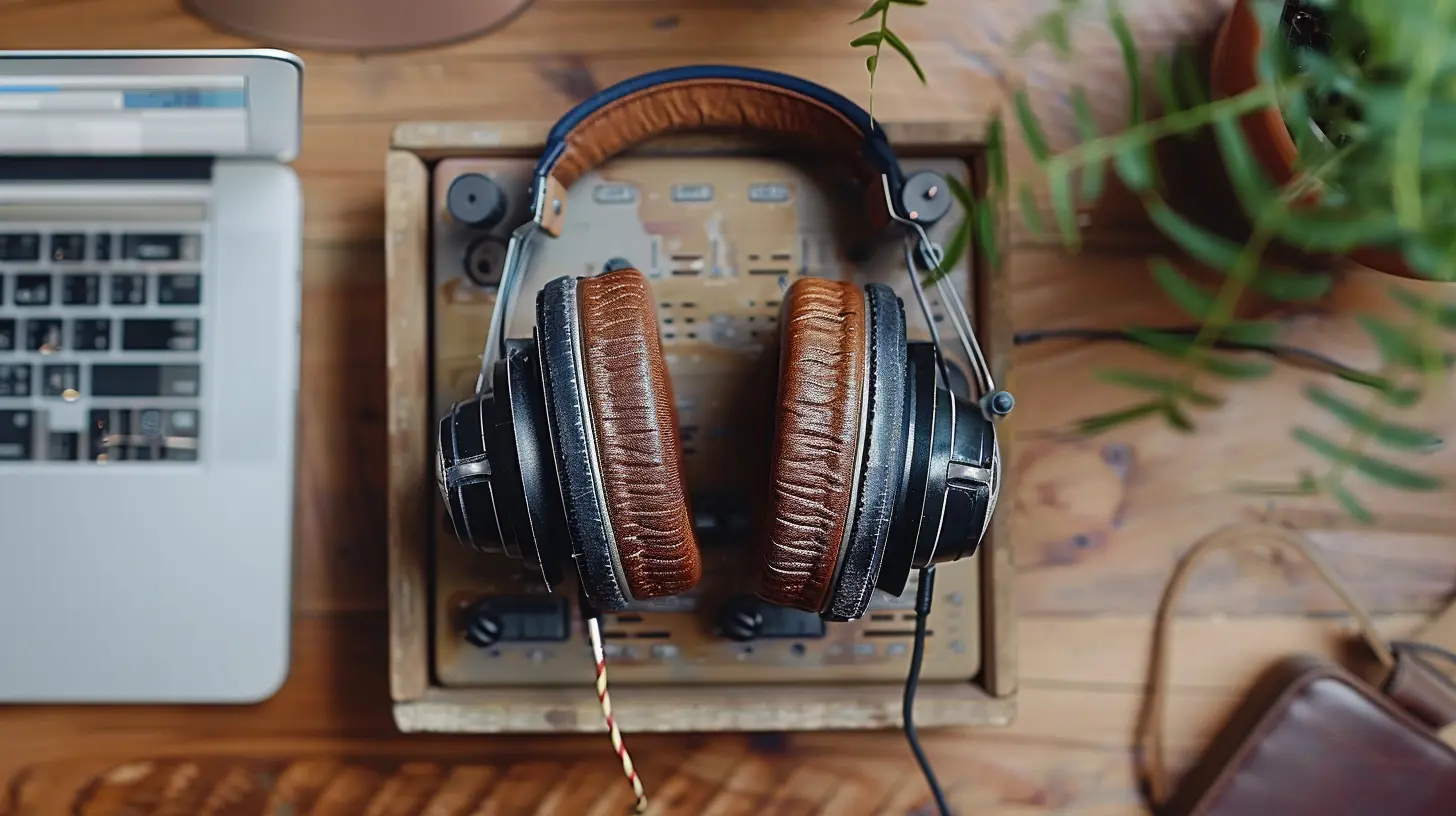
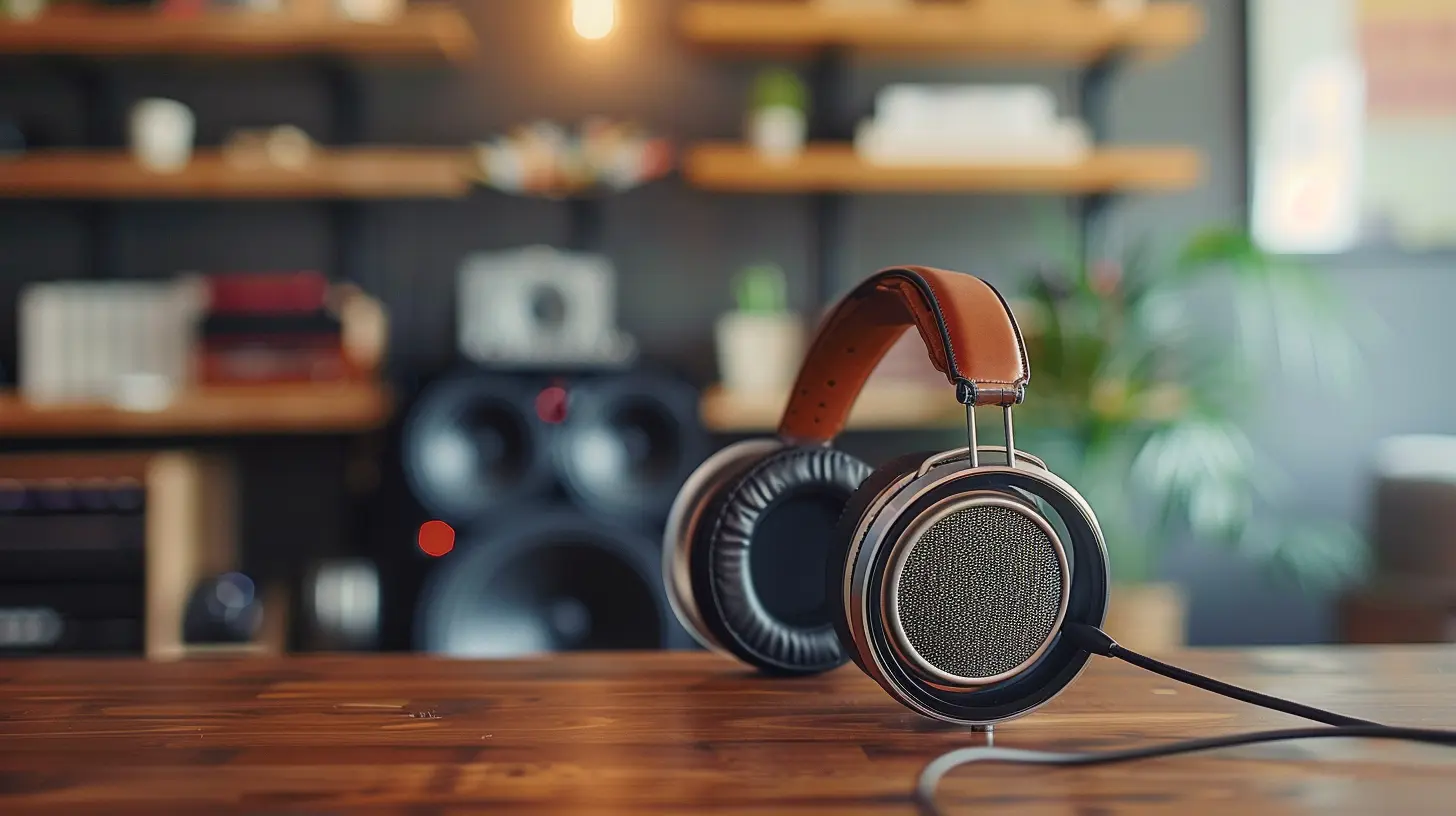
Before we jump into their benefits, let’s quickly define what open-back headphones are.Unlike closed-back headphones, which have a sealed enclosure to keep sound contained, open-back headphones have perforated ear cups that allow air and sound to flow freely in and out. This design creates a more natural and spacious listening experience—similar to listening to high-quality speakers in a well-treated room.
1. More Natural, Open Soundstage
One of the biggest advantages of open-back headphones is their soundstage.With closed-back headphones, the audio feels like it's inside your head. But with open-backs, the sound has room to breathe, making instruments and vocals feel more like they're coming from around you rather than being confined to your ears.
This natural soundstage makes it easier to judge spatial elements in a mix, such as reverb, panning, and depth. If you want to know how your track will sound on an actual speaker setup, open-back headphones give you a much better representation.

2. Improved Accuracy for Mixing and Mastering
Music production is all about making precise decisions, and that’s where open-back headphones shine.Because they don’t have the artificial bass boost or frequency buildup that closed-back headphones often produce, open-back headphones provide a more accurate and uncolored sound. This means you’ll hear exactly what’s in your mix without excessive low-end or muddy frequencies clouding your judgment.
For producers and engineers, this accuracy is essential—especially when making EQ adjustments, balancing instruments, or fine-tuning reverb tails. If your mix sounds good on open-back headphones, it’s more likely to translate well across different listening systems.
3. Less Ear Fatigue During Long Sessions
Ever worked on a track for hours and felt like your ears were begging for a break? That’s a common issue with closed-back headphones.Because open-back designs allow air to circulate, they reduce pressure buildup inside the ear cups. This results in a more comfortable and breathable listening experience, making them perfect for long studio sessions.
Less ear fatigue means more productivity. You can work longer without constantly needing breaks, which is a significant advantage when you’re deep in the creative zone.
4. Better Stereo Imaging and Instrument Separation
Mixing and mastering require precise stereo imaging. Open-back headphones excel in this area because they allow sound waves to interact more naturally.With closed-back headphones, certain frequencies can bounce around inside the enclosure, creating an unnatural stereo field. But with open-backs, you get much better instrument separation, meaning you can hear individual elements of a track more clearly.
This enhanced separation makes it easier to pick out subtle details like background vocals, reverb tails, or minor frequency clashes—things that might go unnoticed on lower-quality headphones.
5. A More Enjoyable Listening Experience
Let’s be real—music production shouldn’t just be about technical accuracy; it should also be enjoyable.Open-back headphones offer a more immersive and engaging listening experience that feels closer to sitting in front of high-quality studio monitors. The sound feels airy, expansive, and full of life.
This is particularly useful when working on genres that rely heavily on dynamics and spatial depth, such as orchestral music, jazz, and ambient productions. The more enjoyable your listening experience, the more inspired you’ll be to create.
6. Lighter and More Comfortable for Extended Use
Most open-back headphones are designed with comfort in mind. Since they don’t require the same level of isolation as closed-back models, manufacturers can focus on lightweight materials and ergonomic designs.This means they feel less bulky on your head, and you won’t get that "clamped-down" feeling that some closed-back headphones give after long hours of use. If you’re producing for extended periods or working on intricate mix details, comfort is a huge plus.
7. No Internal Resonance or Sound Build-Up
One overlooked issue with closed-back headphones is internal resonance. Because sound is trapped inside the ear cups, certain frequencies can build up and create an artificial boost or imbalance in the mix.Open-back headphones eliminate this problem by allowing air to flow freely. This prevents unwanted frequency exaggeration and results in a more balanced sound profile—a critical factor when making mix decisions.
8. Ideal for Critical Listening and Reference Checks
Even if you primarily use studio monitors for mixing, open-back headphones serve as an excellent secondary reference tool.They allow you to hear your mix from a different perspective, much like checking your track on multiple playback systems (monitors, earbuds, car speakers, etc.). This extra layer of reference can help you catch mix issues you might have overlooked with monitors alone.
Are There Any Downsides?
Of course, no piece of gear is perfect. Open-back headphones do have their limitations:- Lack of Isolation: If you’re in a noisy environment, open-backs are not ideal. They leak sound in and out, making them less suitable for tracking vocals or recording instruments.
- Less Bass Response: Since low frequencies aren't artificially boosted, open-back headphones may not satisfy bass-heavy producers who rely on deep sub-bass for genres like EDM or hip-hop.
- Not for Public Use: Because of their sound leakage, they’re not great for travel, gaming, or casual listening in public spaces.
That said, the benefits for mixing, mastering, and critical listening far outweigh these drawbacks—especially in a controlled studio environment.
Who Should Use Open-Back Headphones?
If you're wondering whether open-back headphones are the right choice for you, consider the following:✅ Music producers & mixing engineers – Need accurate, uncolored sound and a natural soundstage.
✅ Mastering engineers – Require precise detail and stereo imaging.
✅ Audiophiles & critical listeners – Want an immersive, high-fidelity listening experience.
If you frequently record in the same space where you mix, you might still need a good pair of closed-back headphones for tracking. But for mixing, mastering, and critical listening, open-back headphones are unbeatable.
Best Open-Back Headphones for Music Production
If you’re sold on the idea and ready to invest in a pair, here are some top-rated open-back headphones that producers swear by:- Sennheiser HD660S – Exceptional clarity, wide soundstage, and comfortable fit.
- Beyerdynamic DT 990 Pro – Great for detailed mixing with strong treble response.
- AKG K702 – Fantastic imaging, neutral sound, and lightweight design.
- Audio-Technica ATH-R70x – Well-balanced sound, great for long sessions.
- Focal Clear Professional – High-end choice with superior detail and spaciousness.
Each of these offers a slightly different sound signature, so it's worth testing a few to see which suits your production style best.
Final Thoughts
Open-back headphones are a fantastic tool for producers and audio engineers who need an accurate, natural-sounding reference for their mixes. They provide a wide soundstage, better stereo imaging, and less ear fatigue—making them ideal for long sessions.While they’re not perfect for every situation, their benefits in a controlled studio environment make them a worthy addition to any serious producer’s toolkit. If you want to improve your mixing accuracy and feel more connected to your music, open-back headphones are definitely worth considering.
all images in this post were generated using AI tools
Category:
HeadphonesAuthor:

John Peterson
Discussion
rate this article
2 comments
Izaak McGillivray
Open-back headphones elevate creativity, offering clarity and depth for exceptional music production!
April 5, 2026 at 4:47 AM
John Peterson
Thank you for your insight! Open-back headphones truly enhance the listening experience, fostering creativity and precision in music production.
Chase Kane
Great article! Open-back headphones truly offer unique advantages for music production, enhancing spatial awareness and providing a more natural listening experience. It's refreshing to see a focus on the importance of soundstage in creative work. Thanks for sharing these insights!
April 3, 2026 at 11:31 AM
John Peterson
Thank you for your kind words! I’m glad you found the insights on soundstage and spatial awareness valuable for music production. Happy listening!