The Environmental Impact of Fintech: How Tech Can Drive Sustainable Finance
7 December 2025
Let’s have an honest chat for a moment. When most of us think of climate change, we probably don’t think about banks, apps, or online investing platforms. We picture smoking factories, clogged highways, and melting glaciers. But here’s a curveball for you—finance has a surprisingly big role in saving (or frying) the planet. And at the heart of this shift? Fintech.
Yup, fintech — that buzzword we hear all the time about Venmo, crypto wallets, robo-advisors, and stock trading apps — is turning out to be a quiet superhero in the fight against environmental damage. But, like all superheroes, it's got its own flaws. So today, we’re diving head-first into the environmental impact of fintech and how this tech-driven wave is pushing finance toward a more sustainable future.

So, What Exactly is Fintech?
Fintech is short for “financial technology.” It's any tech that helps us manage money smarter, faster, and more efficiently. Think digital banking, peer-to-peer lending, investing apps, blockchain, and yes—even those AI chatbots answering your banking questions at midnight.These tools are rewriting the rules of who can access financial services and how we interact with money. But here's what’s even more exciting—fintech is not just making our lives convenient, it's becoming a vital player in the sustainability movement.
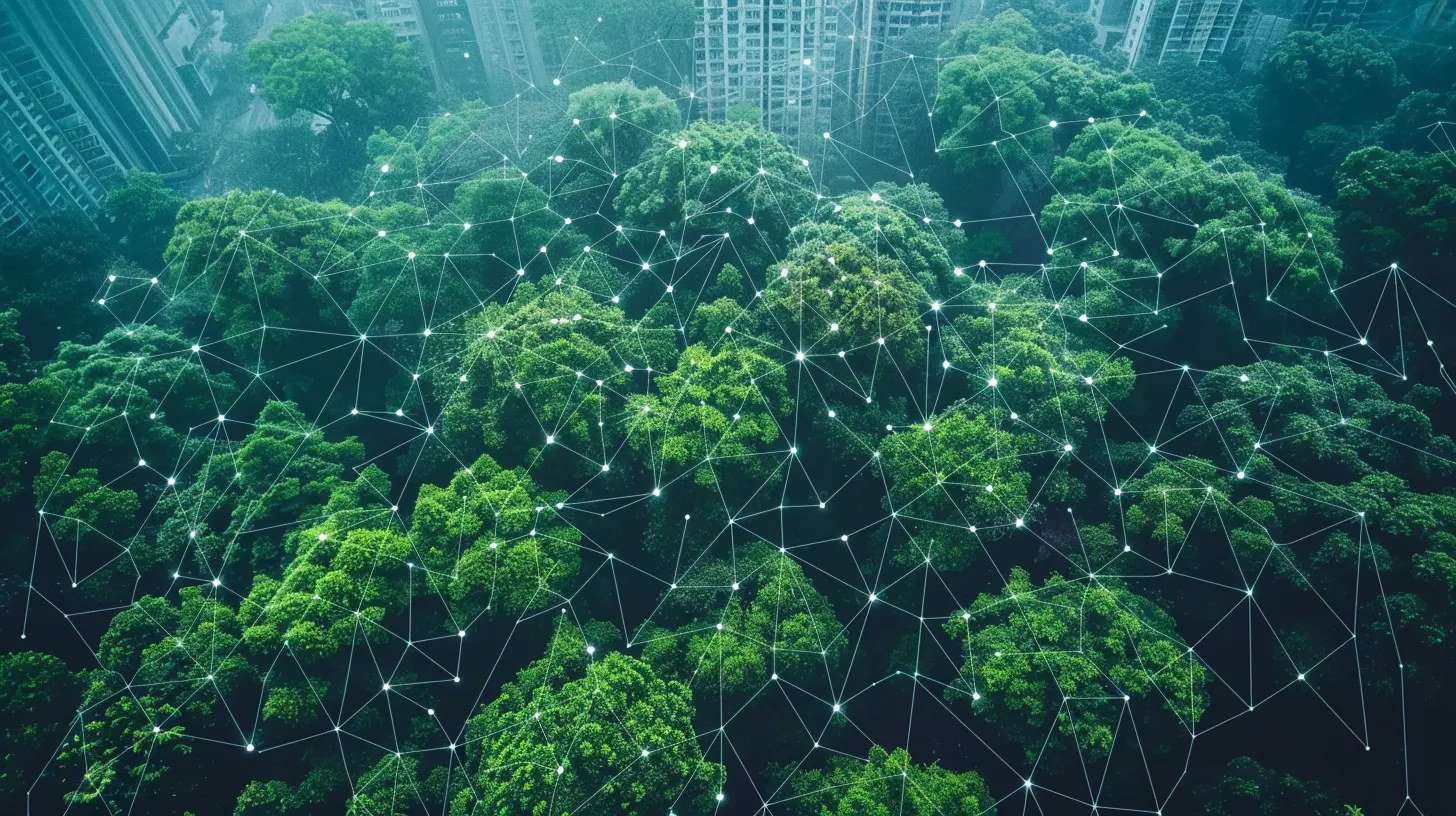
The Finance-Climate Connection (It’s a Big One!)
Before we go further, let’s connect some dots. Why does finance matter in the climate conversation?Because money fuels everything.
For better or worse, banks, investment firms, and insurance companies fund what gets built, grown, or dissolved. If money flows into coal mines, guess what? More coal gets burned. But if capital is redirected into solar farms, clean energy, or eco-startups, we move toward a greener world.
Sustainable finance is all about shifting financial flows from brown to green — from environmentally harmful projects to cleaner, low-carbon alternatives. And this is where fintech comes in. It’s not just disrupting the financial space—it’s reshaping how capital supports the planet.

Fintech’s Role in Driving Environmental Change
Let’s break it down. What are the actual ways fintech contributes to environmental sustainability?1. Transparency Through Data (Knowledge Powers Change)
You can’t fix what you can't see, right? Fintech platforms are bringing visibility into how and where money is invested. AI-driven tools can now analyze portfolios to measure carbon footprints and flag companies engaging in harmful environmental practices.There are apps out there that tell you how green your investments are. Imagine your investment app giving you a sustainability score, showing which companies support clean energy and which are funding deforestation. That kind of information empowers everyday investors to put their money where their values are.
2. Green Investing Made Easy
In the past, investing in social or environmental causes felt like a complicated, wealthy-person thing. Fintech is changing that.Platforms like robo-advisors now offer ESG (Environmental, Social, and Governance) portfolios. These automatically invest your cash into companies with strong sustainability practices. The best part? You can start with just a few bucks.
This democratization of green finance is a game changer. You don’t need to be a millionaire to push for change. With every dollar, you can vote for the planet.
3. Cutting Resource Waste (Bye Bye, Paper)
Remember when banking meant standing in line, filling out paperwork, and getting paper statements mailed to your house? Thankfully, those days are dying.Digital finance easily reduces the need for paper, postage, office buildings, and even commuting. Online lending? No physical documents. Digital payments? No plastic credit cards needed. Every step toward digital tools reduces our reliance on physical resources.
Of course, this raises questions about data centers and their energy use (we’ll touch on that in a bit), but overall, fintech has helped declutter the old, clunky processes that used to waste a lot of paper and energy.
4. Crowdfunding for Green Projects
Fintech is opening doors for startups and eco-projects to secure funding through crowdfunding. Think of platforms like Kickstarter, Indiegogo, or equity crowdfunding portals. These allow environmental projects to directly reach people who believe in their mission.This breaks down barriers and lets smaller players create a direct impact—whether it's a local composting business or a tech-driven carbon capture start-up.
5. Blockchain and Climate Transparency
Let’s talk about blockchain for a sec—not just bitcoin and meme coins, but the underlying tech that can track and verify information securely.Blockchain is already being tested for tracking carbon credits, energy use, and supply chain emissions. It’s nearly impossible to fudge numbers on a blockchain ledger, which makes greenwashing (faking sustainability) a lot harder.
Imagine buying a t-shirt and knowing exactly how much carbon was used in its production, who made it, and how it traveled—all verified on a tamper-proof blockchain. That’s the kind of radical transparency fintech can power.

But Wait, It's Not All Sunshine and Solar Panels…
Let’s pump the brakes for a second. As much as fintech has potential, it’s not entirely clean.1. Energy-Hungry Tech
Some fintech operations, especially those involving blockchain and cryptocurrency, demand massive computing power. Bitcoin mining alone consumes more electricity per year than some countries.Not all fintech is built the same. While some platforms are low-energy and cloud-based, others run on power-hungry servers and data centers that may be far from eco-friendly. It’s essential for fintech companies to choose renewable energy sources and optimize their infrastructures.
2. Carbon Footprint of Digital Transactions
Everything digital has a footprint. Online payments, while cleaner than physical ones, still use energy through servers, networks, and devices. Multiply that by billions of users and, well—you get the idea.It’s a lot better than paper and plastic, sure. But it’s not impact-free. Companies need to audit and offset their emissions where possible, not just celebrate their digital status.
3. E-Waste from Fintech Devices
All those phones, tablets, and laptops we use to make payments or manage finances? They eventually become e-waste. If not recycled properly, they pollute land and water with toxic materials.This one’s on us too—we have to be mindful about how we upgrade and dispose of our tech.
Initiatives and Startups Leading the Way
Now for the fun part. Let’s shine a light on some fintechs that are taking sustainability seriously:✔️ Aspiration
A digital bank that lets you plant trees every time you use your debit card. They also don’t fund fossil fuels—period.✔️ Trine
This platform lets people invest in solar energy projects across developing countries. It’s impact investing made super simple.✔️ Tomorrow Bank
Based in Germany, they offer carbon tracking for every transaction and only invest your money in sustainable businesses.These companies are not just talking the talk—they’re building sustainability into the foundation of their business models.
The Road Ahead: What Needs to Happen Next?
Let’s be real—it’s still early days. Fintech alone can’t save the planet, but it’s a powerful ally. Here's what needs to happen going forward:✅ Better Regulations for Green Finance
Governments need to step in with guidelines and incentives for sustainable fintech innovation. Clear standards help weed out greenwashing and promote honest efforts.✅ Transparent Reporting
Fintechs should adopt rigorous reporting frameworks to show how their operations and investments impact the environment. With great power comes great responsibility, right?✅ Partnerships Across Sectors
No one can do this alone. Fintech needs to collaborate with environmental orgs, governments, and traditional finance to scale up sustainable practices.✅ Invest in Renewable-Powered Infrastructure
All that cloud computing, AI, and blockchain? It should run on renewable energy. Period.✅ Education for Users
Fintech platforms should teach users how their money affects the planet—and offer tools that make climate-smart investing easier than ever.Final Thoughts: Fintech’s Green Potential
Here’s the bottom line—fintech isn’t perfect, but it’s promising. It’s like a seedling—tiny but full of potential to grow into something game-changing. With the right nurture (i.e., responsible innovation, regulations, and user awareness), it could help reshape the global financial system into one that not only profits—but protects.We're in a climate crisis. We need all hands on deck—especially the ones holding smartphones. Fintech might seem like just another app on your home screen, but under the hood, it’s got the potential to reroute billions of dollars toward building a greener, cleaner, and more sustainable world.
So next time you make a contactless payment or check your investment portfolio, ask yourself: is your money working for the planet?
all images in this post were generated using AI tools
Category:
FintechAuthor:

John Peterson
Discussion
rate this article
2 comments
Journey McCracken
Fintech's green revolution is a double-edged sword—while it can streamline sustainable finance, let's ensure that innovation doesn’t inadvertently fuel the very challenges it aims to solve.
December 23, 2025 at 12:40 PM
John Peterson
Absolutely! It's crucial to balance innovation with responsibility to truly harness fintech for sustainable finance without exacerbating environmental issues.
Reid Lawson
Who knew fintech could be the superhero of sustainability? With a digital cape and eco-friendly gadgets, it’s time to finance a greener future—one app at a time!" 🌍💚
December 9, 2025 at 3:25 AM
John Peterson
Absolutely! Fintech is revolutionizing sustainable finance by making eco-friendly investments accessible and efficient, paving the way for a greener future. 🌱