The Essential SaaS Stack for Small Businesses in 2027
10 September 2026
The way small businesses buy software has changed completely over the last decade. Ten years ago, you bought a license, installed it on a server, and prayed for the best. Five years ago, you signed up for a dozen different tools, each with its own login, its own billing cycle, and its own idea of what a dashboard should look like. By 2027, that scattered approach is not just inefficient. It is actively dangerous.
The SaaS market has matured into something more like an ecosystem than a collection of point solutions. The winners are no longer the flashiest tools with the best demo videos. They are the platforms that fit together, share data cleanly, and respect the fact that you have maybe forty hours a week to actually run your business, not manage your software.
This article is not a list of trendy apps. It is a practical breakdown of the stack that works for a modern small business, why it works, where it breaks, and how to avoid the traps that waste money and time.
The Core Principle: Composition Over Collection
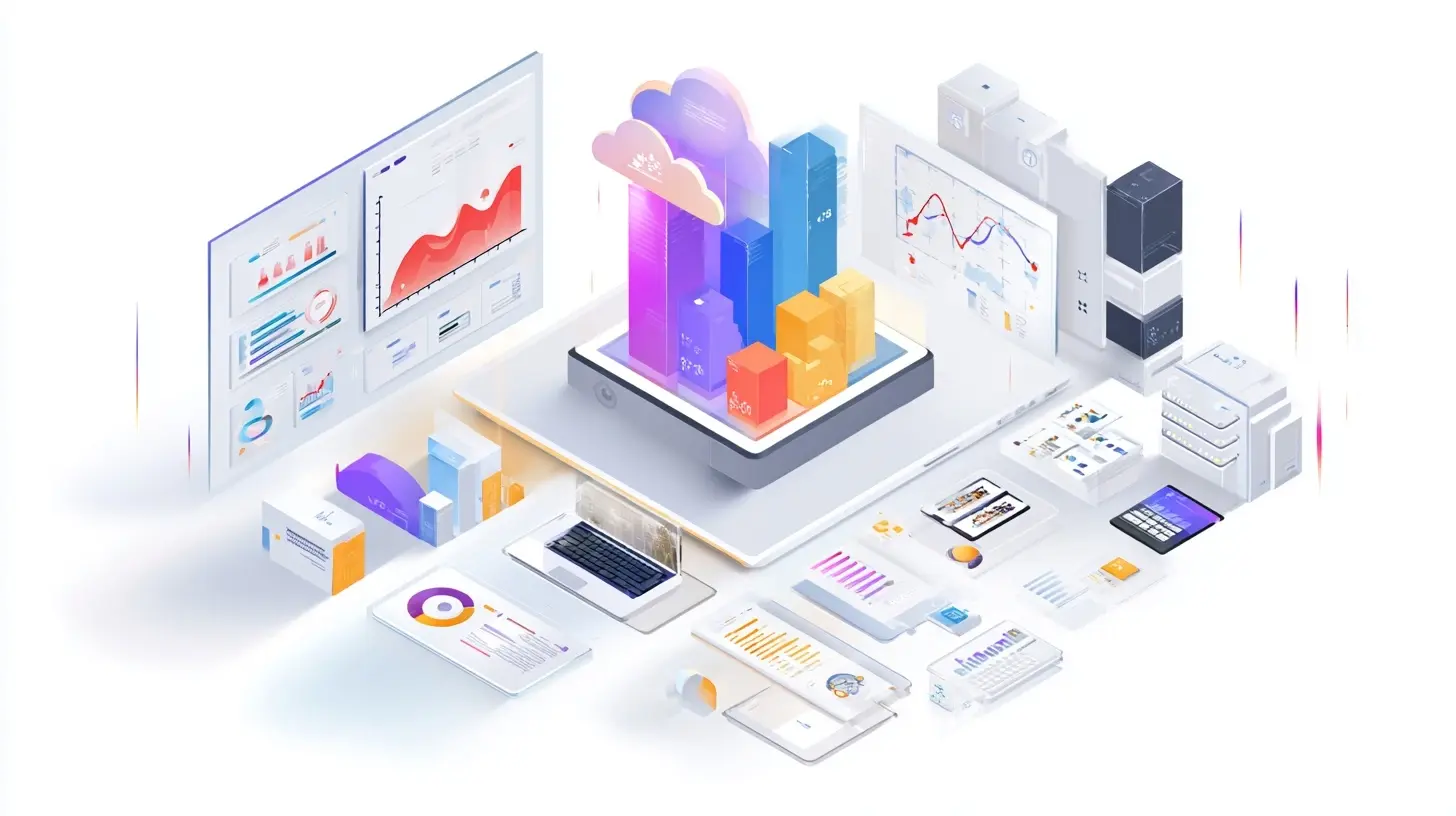
Before we talk about specific categories, you need to understand the shift that defines 2027. The old way was to buy best-of-breed for every function. Best CRM, best accounting tool, best email marketing platform, best project tracker. Then you paid a consultant to glue them together with fragile integrations that broke every time one vendor updated their API.The new way is composition. You start with a central platform that handles your core operational data, then you add specialized tools that plug into it natively. Think of it like building with LEGO instead of welding random metal parts. LEGO pieces are designed to connect. Metal parts require a specialist.
For most small businesses in 2027, the center of gravity is a business management platform that combines CRM, project management, invoicing, and basic reporting. Not because that platform is the best at each thing, but because the value of having one source of truth for customer data outweighs the marginal benefit of a slightly better standalone CRM.
The trade-off is real. You sacrifice deep features for coherence. But for a team of five to fifty people, coherence wins every time. The cost of context switching between systems, the errors from duplicate data entry, and the time spent reconciling reports across tools will eat your margins faster than any subscription fee.
The Non-Negotiable Foundation: Business Management Platform
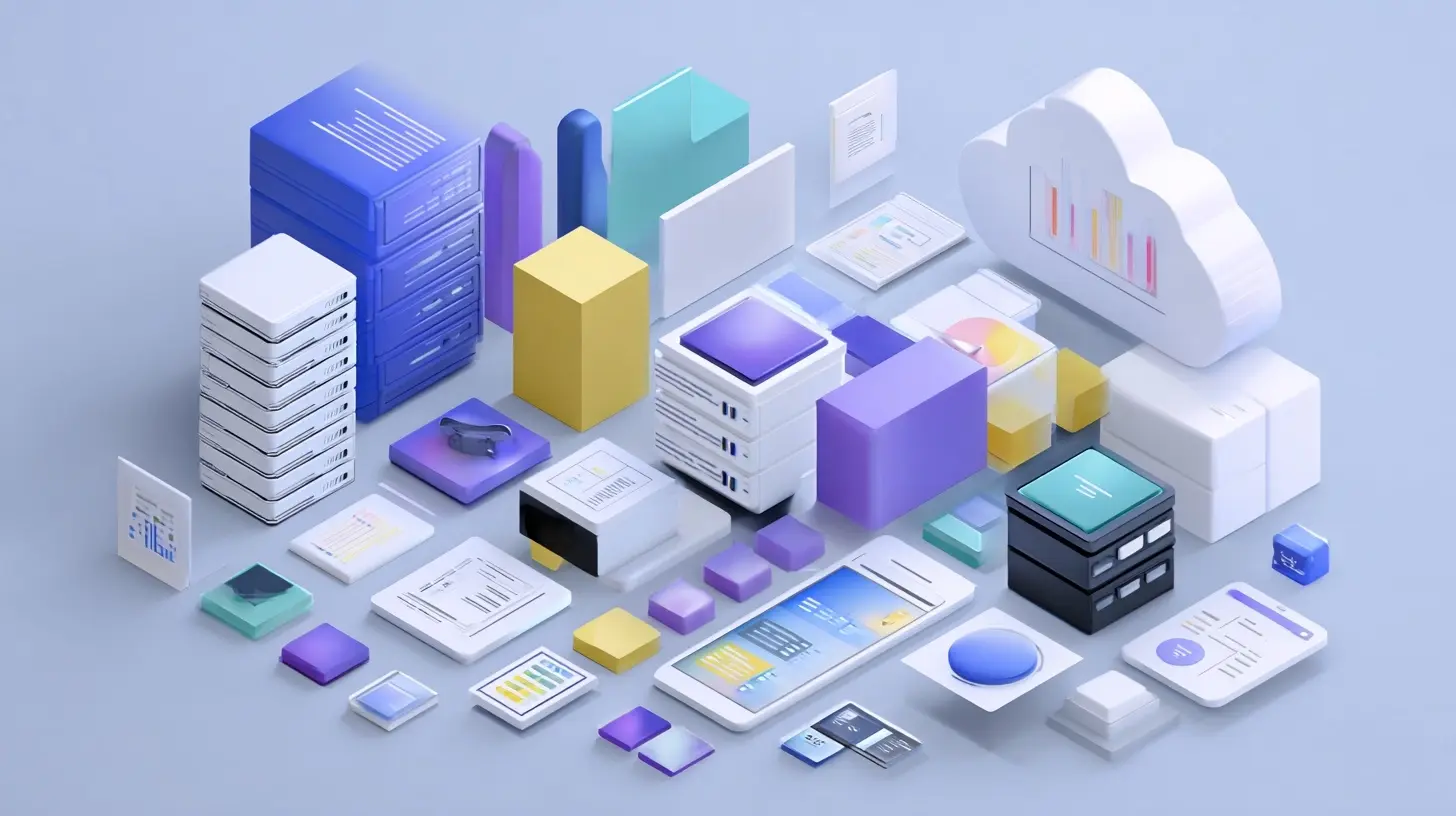
Your business management platform is the system of record. It holds your customers, your projects, your invoices, and your pipeline. In 2027, this is not a nice-to-have. It is the difference between knowing your business and guessing about your business.The platforms that dominate this space have evolved to include native payment processing, automated follow-up sequences, and AI-assisted forecasting. But do not buy based on the AI features. Buy based on how well the core data model matches your actual workflow.
A service business needs to track hours, deliverables, and client communication. A product business needs inventory, purchase orders, and fulfillment status. Most platforms try to serve both, but they usually do one better. Pick the one that matches your dominant workflow.
Here is the mistake I see constantly. A small agency signs up for a platform because it has beautiful project boards and great time tracking. But their invoicing is clunky, so they keep using a separate accounting tool. Now they have two systems with customer data, and reconciliation becomes a weekly nightmare.
Instead, accept that your business management platform will have some rough edges. The question is whether those rough edges cost you less than the integration headaches of a multi-tool setup. For most small businesses in 2027, the answer is yes.

Financial Operations: The Quiet Workhorse
Accounting software used to be the thing you opened once a month to send invoices and pay bills. That is no longer enough. By 2027, your financial stack needs to do three things well: track cash flow in real time, automate reconciliation, and produce reports that actually help you make decisions.The key shift here is bank feeds. Modern accounting platforms connect directly to your bank and credit card accounts, categorize transactions automatically, and sync with your business management platform. This sounds basic, but the implementation quality varies wildly.
Some platforms use aggressive AI categorization that mislabels everything, forcing you to manually correct dozens of transactions each week. Others use a rules-based system that learns from your corrections and gets better over time. Test this specifically before you commit.
Payroll is another consideration. If you have employees, you need a payroll service that handles tax filings, benefits deductions, and compliance. Many accounting platforms now offer this natively. But native payroll is not always the best choice. Third-party payroll services often have better support for complex situations like multi-state employment or contractor classification.
The practical advice here is to keep payroll separate from your core accounting if you have more than ten employees. The integration between a good payroll service and your accounting platform is mature enough that you lose nothing, and you gain specialized expertise when something goes wrong.
Customer Relationship Management: Less Is More
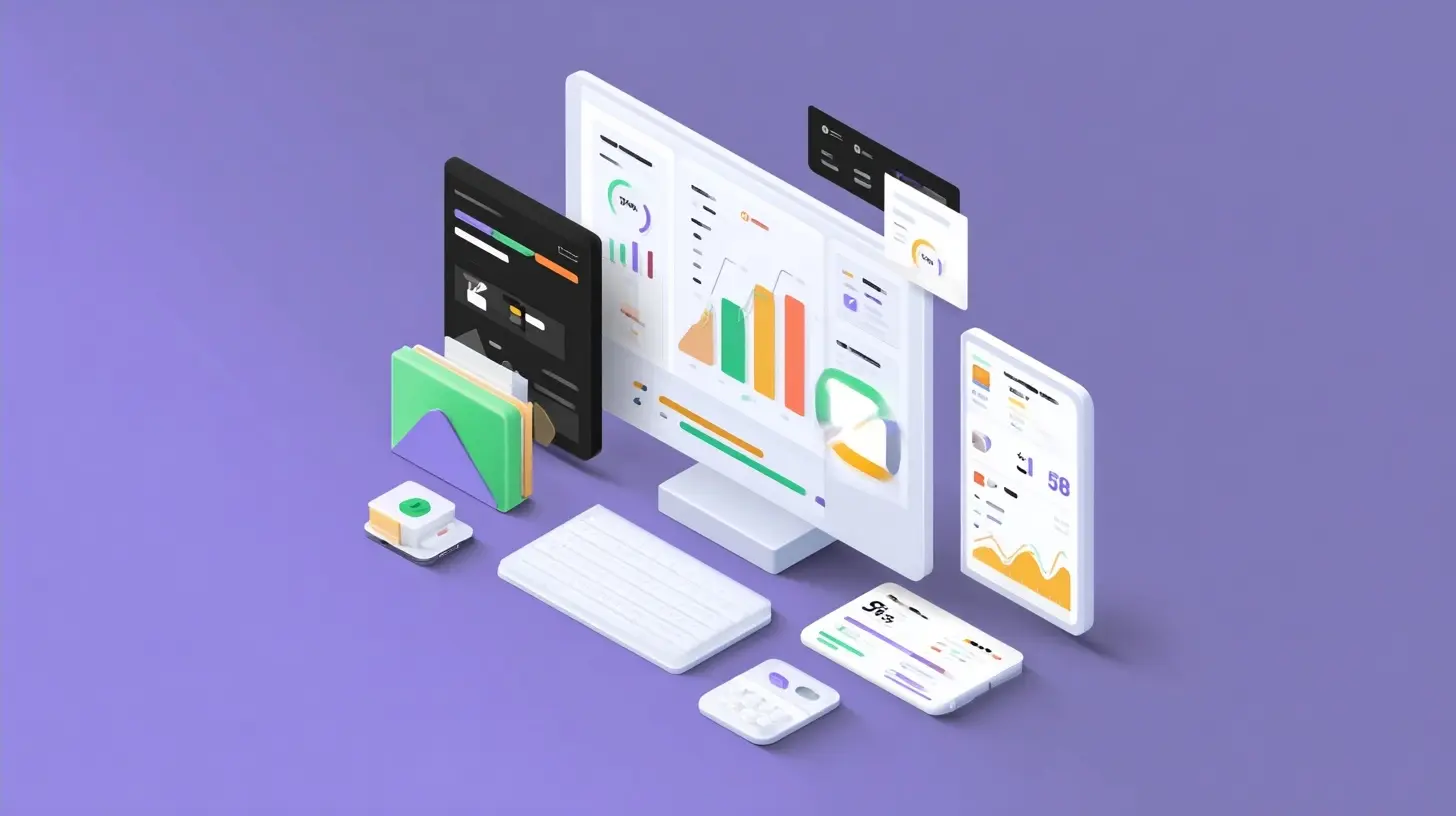
The CRM category has fragmented and consolidated in equal measure. On one hand, you have massive enterprise platforms that cost thousands per user per year. On the other, you have lightweight tools embedded in your business management platform.For small businesses in 2027, the standalone CRM is mostly dead. The data lives in your business management platform. Your sales pipeline, your customer history, your communication logs, all of it should be in one place.
But there is a legitimate case for a specialized CRM if your business has a long, complex sales cycle with multiple stakeholders. Think B2B manufacturing, enterprise consulting, or medical device sales. In those cases, you need features like territory management, quota tracking, and complex deal structures that generic platforms do not handle well.
The decision point is simple. If your sales cycle is less than thirty days and involves fewer than three decision makers, use the CRM built into your business management platform. If your deals take months and involve procurement departments, legal review, and security questionnaires, invest in a specialized CRM.
The worst position to be in is the middle. You have a standalone CRM that nobody updates because it is separate from the project management tool, and you have stale data everywhere. That is not a software problem. That is a design problem, and no tool will fix it.
Communication and Collaboration: The Invisible Layer
Email remains the backbone of business communication, but the way we handle it has changed. The modern stack separates synchronous communication, asynchronous collaboration, and document sharing.For synchronous communication, the standard is still a team chat tool. But by 2027, the chat tool is not just for messages. It handles voice calls, video meetings, and screen sharing natively. Do not buy separate tools for each of these. The integration friction is not worth it.
For asynchronous collaboration, the project management features within your business management platform should handle task assignments, deadlines, and status updates. The key is to keep work discussions attached to the work item, not scattered across chat threads.
Here is a common mistake. Teams use chat for everything, including task updates and decisions. Then someone goes on vacation, and the context is lost. The project stalls because nobody knows what was agreed upon. The fix is a discipline problem, not a software problem. You need to establish a rule: if it affects a task or a deliverable, it goes in the project record. Chat is for quick questions and social interaction.
Document collaboration has also consolidated. Cloud storage with real-time editing is now standard. The question is how you organize it. A shared drive with a clear folder structure beats any fancy knowledge management tool. The problem is usually not the tool. It is the lack of a naming convention and retention policy.
Marketing and Sales Enablement: The Growth Layer
Marketing tools for small businesses have become both more powerful and more confusing. The promise of AI-generated content, automated campaigns, and predictive analytics has created a lot of noise. Strip away the hype, and you need three things: an email platform, a landing page builder, and basic analytics.The email platform is non-negotiable. It is still the highest ROI channel for most small businesses. The modern platforms offer automation workflows, segmentation, and deliverability monitoring. The key feature to look for is not the AI copywriter. It is the sender reputation monitoring and spam test capabilities.
Landing pages are trickier. Many business management platforms include basic landing page functionality. For simple lead capture, that is enough. But if you run paid advertising campaigns, you need a dedicated landing page builder with A/B testing and fast load times. The difference in conversion rates can be significant.
Analytics is where most small businesses go wrong. They install a free analytics tool, look at the dashboard once a week, and have no idea what to do with the information. The fix is not a better analytics tool. It is defining your key performance indicators first, then setting up the tool to track those specific metrics.
A practical approach is to track three numbers: cost per lead, lead to customer conversion rate, and customer lifetime value. If you know these three numbers, you can make smart marketing decisions. Everything else is noise.
Operations and Automation: The Efficiency Multiplier
By 2027, automation is not a luxury. It is a survival mechanism. But the way to think about automation has changed. It is not about replacing humans with bots. It is about removing repetitive tasks so your team can focus on work that requires judgment.The modern automation tools use visual workflows that connect different applications. You can set up triggers and actions without writing code. For example, when a new lead fills out a form, the system can create a contact record, send a welcome email, assign a task to a salesperson, and add the lead to a nurture campaign.
The mistake I see is over-automation. Businesses create complex workflows that fire at the wrong time or duplicate actions. Then they spend more time fixing the automation than they saved. Start small. Automate one process, test it thoroughly, and only then expand.
The most valuable automation for small businesses is usually in the back office. Invoice reminders, payment confirmations, contract renewals, and customer onboarding sequences. These are repetitive, rule-based, and high volume. Perfect candidates for automation.
But be careful with customer-facing automation. An overly aggressive email sequence can drive customers away. The balance is to automate the mechanics but keep the messaging human. Use personalization tokens, but do not pretend the email is from a real person if it is not.
Data and Reporting: The Decision Engine
Data is the most underused asset in most small businesses. You have sales data, customer data, financial data, and operational data. But it is scattered across systems, and pulling it together requires manual work.The solution in 2027 is not necessarily a dedicated business intelligence tool. For many small businesses, the reporting features built into your business management platform are sufficient. The key is to set up dashboards that show the metrics you actually care about, not the metrics the vendor thinks you care about.
A good dashboard shows trends over time, not just current values. You want to see whether your profit margin is improving or declining, whether your customer acquisition cost is rising or falling, and whether your cash flow is stable or volatile.
The common mistake is to create a dashboard with too many metrics. You end up with information overload, and you ignore all of it. Instead, pick five to seven metrics that are leading indicators of your business health. Review them weekly, and investigate any significant changes.
If you outgrow the built-in reporting, the next step is a lightweight analytics platform that connects to your core systems. But do not jump to this until you have a clear question that your current tools cannot answer. Otherwise, you are just adding complexity without adding insight.
Security and Compliance: The Unseen Necessity
Small businesses are increasingly targets for cyberattacks because they have weaker defenses than large enterprises. The SaaS stack you choose must include security features, not as an afterthought, but as a core requirement.Multi-factor authentication is non-negotiable. Every tool you use should support it, and you should enforce it for every user. This is the single most effective thing you can do to protect your business.
Password management is also essential. Your team should not be reusing passwords across tools. A good password manager with shared vaults for team credentials is a small investment that prevents major headaches.
Data backup is another area that is often overlooked. SaaS vendors back up their own infrastructure, but they do not always protect you from accidental deletion or malicious actions. You need a backup solution that captures your critical data from your SaaS tools and stores it separately.
Compliance is trickier. If you handle customer data, you need to understand your obligations under regulations like GDPR or CCPA. The tools you choose should offer data processing agreements and allow you to export or delete data on request. If a vendor cannot do this, they are not suitable for your business.
The Integration Layer: Making It All Work Together
No matter how carefully you choose your stack, you will need integrations. The question is how you manage them. Native integrations are always preferable to third-party connectors. They are more reliable, better supported, and less likely to break.But native integrations are not always available. When you need a third-party connector, look for one that offers logging and error handling. You want to know when an integration fails, not discover it weeks later when a customer complains about a missed email.
The modern approach to integrations is the API-first platform. Tools that expose their APIs and have robust webhook support are easier to integrate and more future-proof. When evaluating a new tool, ask about their API documentation and rate limits before you buy.
A common misconception is that more integrations are always better. The opposite is true. Every integration is a point of failure and a potential security risk. The best stack has the fewest integrations necessary to get the job done.
The Cost Reality: Budgeting for the Stack
SaaS pricing has become more complex, not less. Vendors use tiered pricing, per-user pricing, and usage-based pricing. The total cost of your stack is often double what you expect because of add-ons and overage charges.The best way to budget is to calculate the cost per user per month for the entire stack, then multiply by your team size. Include a buffer of twenty percent for overages and new tools you will inevitably add.
Do not be seduced by annual discounts if you are still figuring out your needs. Monthly plans give you flexibility to switch tools when you find a better fit. Once you have used a tool for six months and it works, then consider an annual plan to save money.
The biggest cost mistake is paying for seats you do not use. Audit your subscriptions quarterly and remove inactive users. This sounds obvious, but it is surprising how many businesses pay for former employees and contractors for months after they leave.
The Human Factor: Adoption Is Everything
The best SaaS stack in the world is useless if your team does not use it. Adoption is not a technical problem. It is a change management problem.The key to adoption is to involve your team in the selection process. Ask them what frustrates them about the current tools. Let them test the top contenders. When they feel ownership over the decision, they are more likely to embrace the change.
Training is also critical. Do not assume that people will figure out the tool on their own. Provide structured training sessions, create quick reference guides, and designate power users who can help others.
The other side of adoption is enforcement. If you have a policy that all client communication must be logged in the CRM, you need to follow through. If people can work around the system, they will. Make the system the path of least resistance, and adoption will follow.
Looking Forward: The 2027 Mindset
The SaaS stack for small businesses in 2027 is not about having the most tools. It is about having the right tools that work together seamlessly. The goal is to reduce friction, increase visibility, and free up your time to focus on your customers and your product.The vendors that succeed in this environment are the ones that understand your business context, not just your feature requirements. They offer flexible pricing, responsive support, and a clear roadmap. They do not lock you into long contracts or proprietary formats.
As you build your stack, remember that software is a means to an end. The end is a profitable, sustainable business that serves its customers well. If a tool does not contribute to that goal, it does not belong in your stack, no matter how popular it is.
The best time to review your stack is now. Look at every tool you pay for and ask yourself three questions. Does it solve a real problem? Does it integrate cleanly with the rest of my stack? Is it worth the cost? If you cannot answer yes to all three, it is time to make a change. Your future self will thank you.
all images in this post were generated using AI tools
Category:
Saas ToolsAuthor:

John Peterson