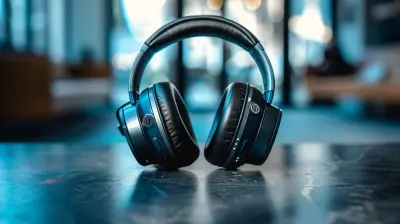
The Evolution of Headphone Materials: Comfort Meets Durability
15 February 2026
Headphones have come a long way—from bulky, wired contraptions to sleek, wireless masterpieces. But have you ever stopped to wonder what goes into making them? It’s not just about sound quality; the materials used in headphones play a huge role in comfort, durability, and even style.
Over the years, headphone materials have evolved dramatically, blending science with innovation to deliver the perfect balance of comfort and strength. Let’s take a deep dive into the evolution of headphone materials and how they’ve shaped the way we experience sound today.
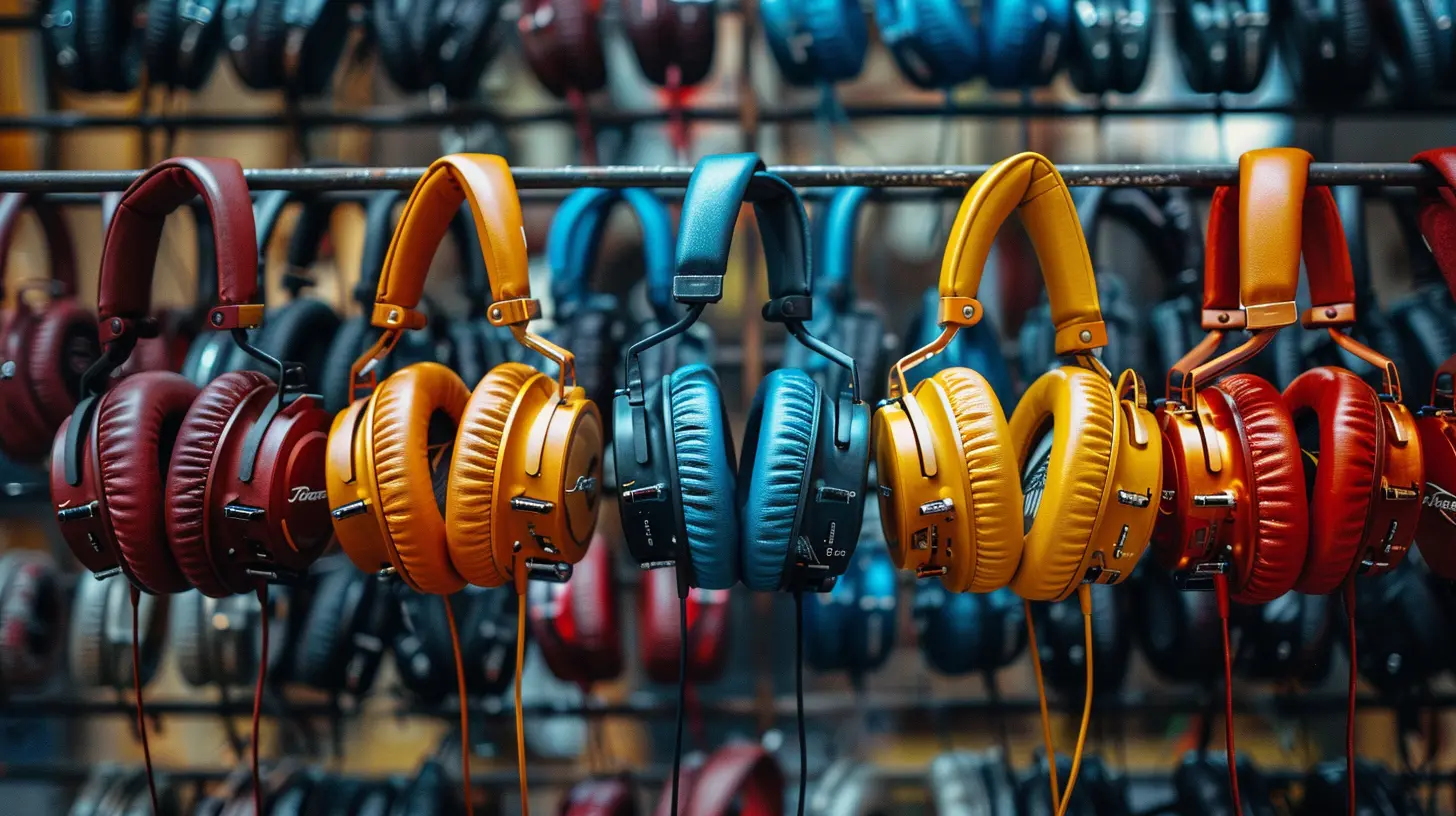
The Early Days: Metal & Hard Plastic Build
In the early days, headphones were anything but comfortable. If you’ve ever seen those old-school radio operator headsets or the massive aviation-style headphones, you’ll know exactly what I mean.Metal Frames: Built Like a Tank
The first generations of headphones were primarily made of metal. Why? Because metal is strong, rigid, and can last a lifetime. But here’s the problem—metal is heavy. Imagine wearing a chunk of metal on your head for hours. Not fun, right?Hard Plastic: A Slightly Better Alternative
As technology advanced, manufacturers started incorporating hard plastic into headphone designs. This made them slightly lighter and somewhat more comfortable, but there was still a long way to go in terms of wearability. The rigidness of plastic often led to discomfort, especially during extended use.Clearly, there was a need for something better—something that wouldn't make your head feel like it just had a workout session.
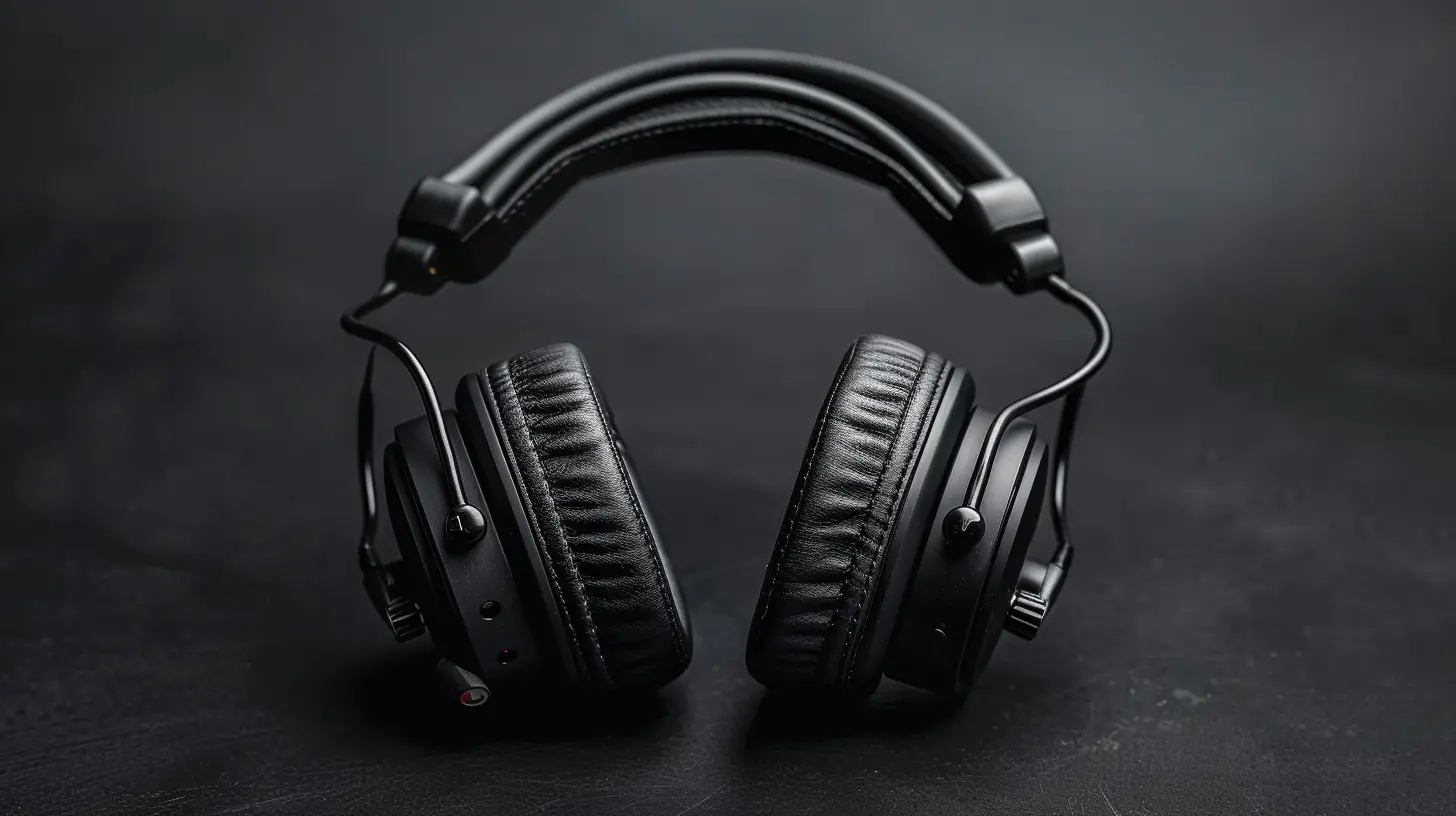
The Rise of Synthetic Materials for Comfort
As personal audio became more popular, companies focused on making headphones more comfortable. Enter synthetic materials—game-changers in the headphone industry.Foam Ear Cushions: The First Comfort Revolution
In the 1970s and 1980s, foam padding became a staple for headphone ear cushions. Compared to hard plastic, foam offered a much-needed softness that reduced ear fatigue. Suddenly, wearing headphones for hours wasn’t as unbearable.But foam had a major downside—it deteriorated quickly. If you had a Walkman back in the day, you probably remember the foam cushions crumbling after a few months.
PVC & Rubber: The New Flexible Trend
To combat durability issues, manufacturers experimented with PVC (polyvinyl chloride) and rubber. These materials added flexibility and improved longevity. Plus, rubberized coatings helped create a better grip, making headphones more secure during movement.While these materials provided better usability, they lacked the premium feel that many consumers wanted. The quest for better materials wasn’t over.

The Leather & Memory Foam Era: Premium Comfort Arrives
As technology evolved, so did consumer expectations. People wanted comfort, durability, and style—all in one package. That’s when premium materials like leather and memory foam started appearing in high-end headphones.Memory Foam: Molding to Perfection
Memory foam revolutionized headphone design. Unlike regular foam, memory foam conforms to the shape of your ears, ensuring a snug and comfortable fit. This not only improved comfort but also enhanced noise isolation.Genuine vs. Synthetic Leather: The Battle for Luxury
Leather-covered ear cushions became the gold standard for premium headphones. But there was a debate: genuine leather or synthetic leather?- Genuine Leather: Durable, breathable, and luxurious, but expensive and not vegan-friendly.
- Synthetic Leather (PU Leather): Affordable, cruelty-free, and stylish, but tends to peel over time.
Both materials have their pros and cons, but one thing was clear—headphone materials had reached a new level of sophistication.

The Age of Lightweight & Durable Composites
Comfort wasn’t the only priority. Headphones also needed to be durable enough for daily wear and tear. That’s when engineers turned to advanced materials like carbon fiber, aluminum, and even titanium.Carbon Fiber: The Strength Without the Weight
Carbon fiber is known for being lightweight yet incredibly strong. Headphones with carbon fiber headbands and housings can withstand rough handling while remaining feather-light on your head. It’s no surprise that many high-end brands have embraced this material.Aluminum & Titanium: The Luxury Metals
Aluminum and titanium provide a premium, sleek look while boosting durability. Unlike plastic, these metals don’t crack easily. They also resist corrosion, making them ideal for long-lasting headphones.By integrating these advanced materials, manufacturers have created headphones that don’t just sound great but also feel premium and last longer.
The Future of Headphone Materials: Sustainability & Innovation
With growing concerns about sustainability, headphone manufacturers are now exploring eco-friendly materials. The future of headphone design isn’t just about comfort and durability—it’s about minimizing environmental impact.Biodegradable & Recycled Materials
Brands are now experimenting with biodegradable plastics and recycled metals to reduce waste. Companies like House of Marley and Sony are leading the way with headphones made from sustainable materials like FSC-certified wood, recycled aluminum, and plant-based plastics.Graphene: The Next Big Thing?
Graphene, the wonder material, is making waves in the headphone industry. Known for its ultra-lightweight structure and extraordinary strength, graphene could be the next revolution in headphones. Some companies are already using graphene-coated drivers to enhance audio performance while reducing weight.The future looks exciting, with technology pushing the boundaries of what’s possible in headphone materials.
Conclusion: A Perfect Balance of Comfort & Durability
From bulky metal frames to ultra-light graphene, the evolution of headphone materials has been nothing short of extraordinary. Today, we have headphones that are not only comfortable but also built to last.Manufacturers have struck the perfect balance between comfort and durability, ensuring that we can enjoy our favorite music, podcasts, and calls without any hassle. And with sustainability entering the equation, the future of headphones is set to be even more innovative and responsible.
So the next time you put on your headphones, take a moment to appreciate the materials that make them so comfortable and long-lasting. After all, technology and design have worked hand in hand to create the perfect listening experience.
all images in this post were generated using AI tools
Category:
HeadphonesAuthor:

John Peterson
Discussion
rate this article
2 comments
Julian Wallace
Embracing the evolution of headphone materials is vital for the future of audio. As comfort and durability converge, we unlock new possibilities for immersive experiences, pushing boundaries and enhancing our daily lives through innovative sound technology!
March 22, 2026 at 4:00 AM
John Peterson
Thank you for your insightful comment! Indeed, the evolution of materials is key to enhancing audio experiences while prioritizing comfort and durability.
Maris Clayton
Great article! It’s fascinating to see how advancements in materials are enhancing both comfort and durability in headphones. As we continue to prioritize sustainability, I hope future developments will also focus on eco-friendly options. Looking forward to seeing how this evolution influences user experiences in the coming years!
February 18, 2026 at 12:24 PM
John Peterson
Thank you! I completely agree—sustainability is key to the future of headphone materials, and I’m excited to see how it shapes user experiences!