The Impact of Ultrabooks on the Laptop Market
9 June 2026
It wasn’t too long ago when the word "ultrabook" sounded like some kind of futuristic gadget straight out of a sci-fi movie. Fast forward to today? These sleek, lightweight powerhouses have changed the game for laptops — and, actually, the entire tech industry. If you've ever used or even seen an ultrabook, you already know it’s not your average clunky laptop from the early 2000s.
But here's the thing: the rise of ultrabooks didn’t just mean slimmer laptops. It sparked a ripple effect that forced manufacturers to rethink portability, performance, and even style. So, what exactly are ultrabooks, and how have they changed the laptop landscape?
Let’s dive into it.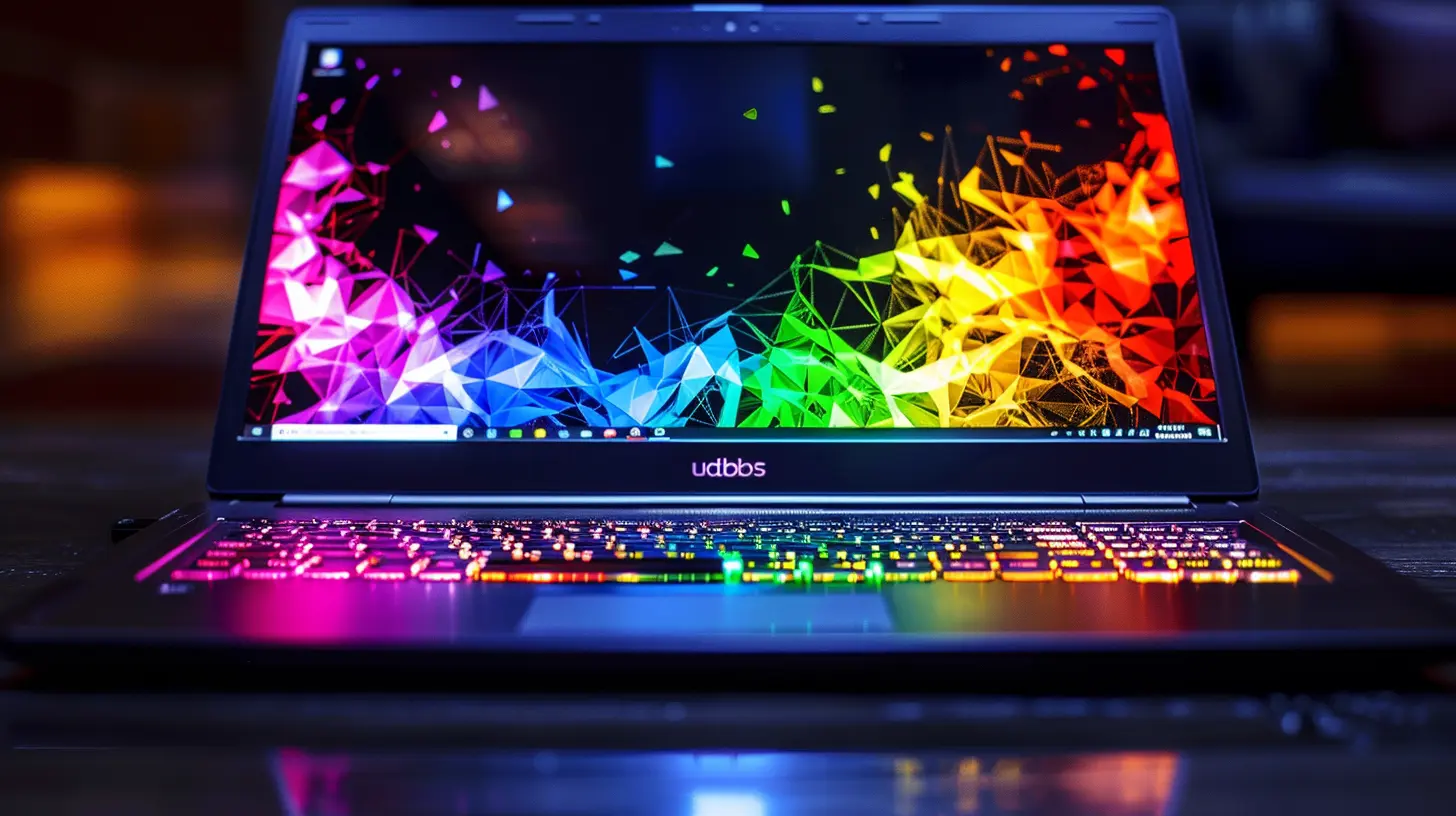
What Are Ultrabooks, Anyway?
Before we get into their market impact, let’s break down what an ultrabook actually is.The term “ultrabook” was coined by Intel back in 2011. Think of them as the lovechild between a feather-light netbook and a full-blown high-performance laptop. Intel set strict guidelines—ultrabooks had to be ultra-thin (usually under 0.8 inches), super light (around 2.5 to 3 pounds), and offer solid battery life (we're talking a full workday). Oh, and they also had to boot up quickly — no more grabbing a coffee while your laptop warms up.
So essentially, an ultrabook is a premium, portable, fast, and efficient laptop designed for people on the go. Students, professionals, digital nomads — these sleek machines cater to anyone who hates being chained down by bulk.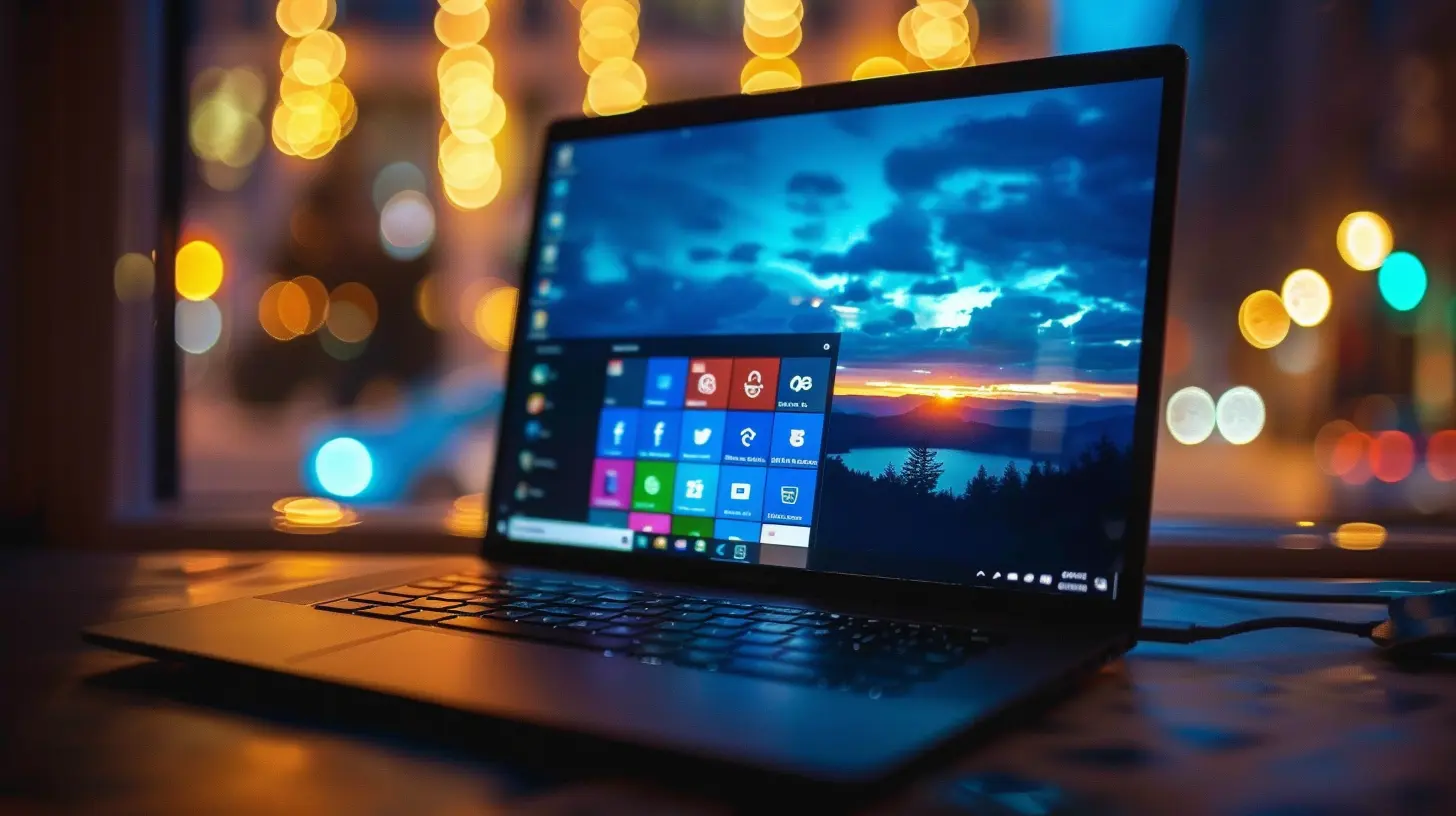
A Wake-Up Call to the Laptop Industry
When ultrabooks started rolling in, they were a bit of a curveball. Traditional laptop makers had been focusing on either high-powered (but bulky) machines or super cheap, underpowered netbooks. And let’s be honest — neither option was perfect for everyday users.Ultrabooks hit that sweet spot. They were powerful enough for productivity tasks, stylish enough to turn heads, and light enough to carry all day without shoulder pain. That trifecta forced big players like Dell, HP, ASUS, and Lenovo to reevaluate their laptop lineups.
You know what happened next? A race. Not just a race to make thinner laptops, but to improve everything—battery life, build quality, display clarity, even keyboards. Thanks, ultrabooks.
Goodbye, Bulk. Hello, Portability.
Let’s talk about one of the biggest shifts — form factor.Before ultrabooks, laptops were, well, bricks. If you ever lugged around a 6-pound machine with a power brick the size of a small toaster, you know the struggle. Ultrabooks changed that narrative.
They proved you didn’t need to sacrifice performance just to shave off weight. Thanks to innovations in materials like aluminum and magnesium alloy, manufacturers started designing laptops that looked and felt premium — without the extra baggage.
Today, even non-ultrabook laptops borrow design cues from ultrabooks. Thinner bezels, minimalist designs, fanless interiors, SSD storage — it all started with ultrabooks.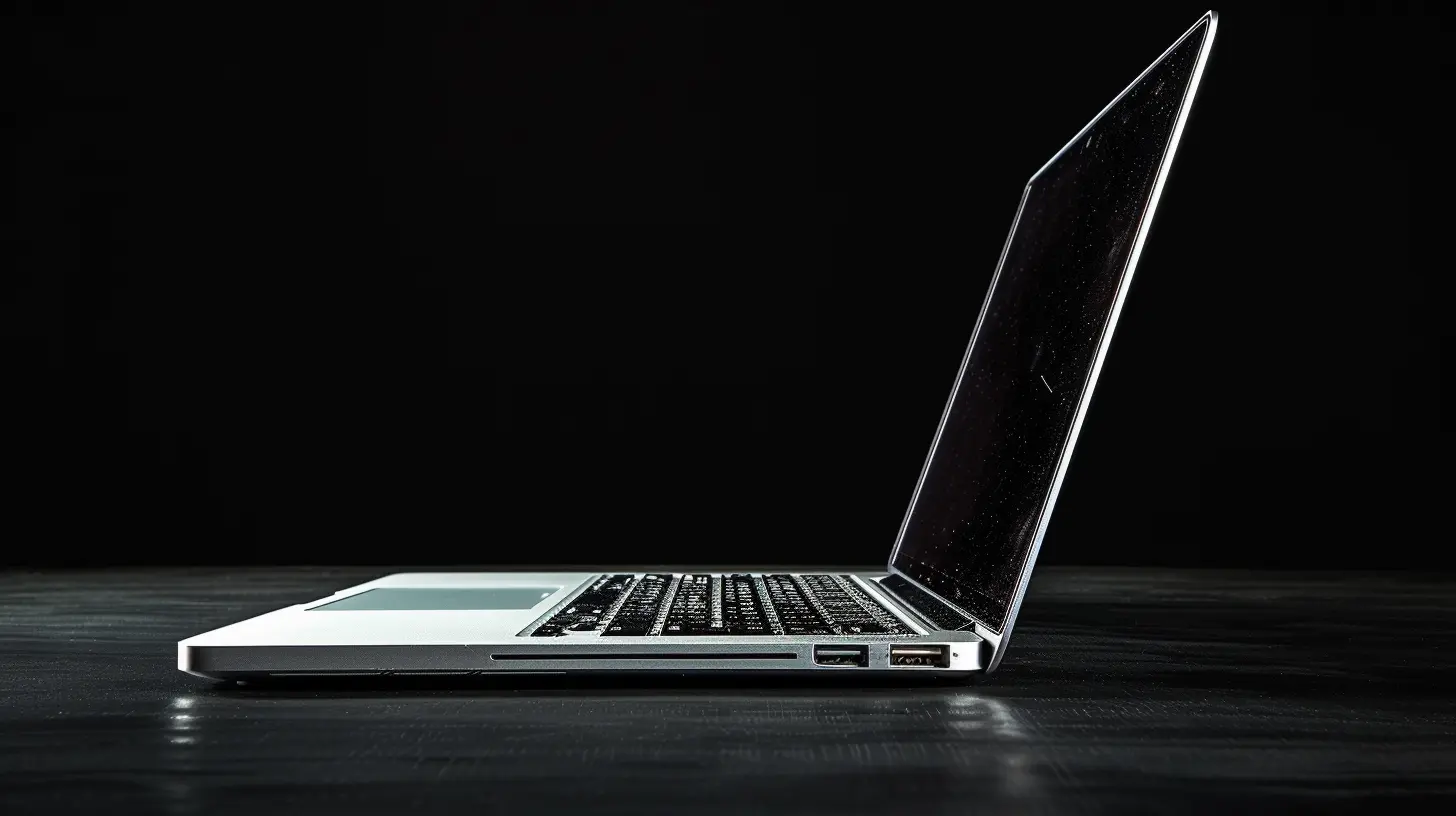
Battery Life Got Supercharged
Remember when laptops lasted, like, three hours max before screaming for a charger? Not anymore.One of the standout features of ultrabooks was their extended battery life. Armed with low-power Intel Core processors and energy-efficient SSDs, these machines could run for 8 to 12 hours, sometimes more.
This wasn’t just an upgrade. It was a revolution. Suddenly, students could get through a full day of classes (and maybe some Netflix) without hunting for an outlet. Business travelers could leave their chargers at home. And battery anxiety? Pretty much gone.
Even today, ultrabooks are still setting the bar when it comes to battery efficiency.
Enter: The SSD Revolution
Another area where ultrabooks made waves? Storage.Back in the day, laptops came with spinning hard drives that were slow, noisy, and pretty prone to failure. Ultrabooks ditched those for solid-state drives (SSD) — and the difference was like switching from dial-up to fiber internet.
SSDs made boot times lightning fast, improved overall performance, and, let's not forget, helped make ultrabooks even slimmer. This move pretty much forced the entire laptop market to follow suit. Now, SSDs are the new standard, even for budget machines.
So yeah, you can thank ultrabooks for that snappy startup time.
Software Had to Keep Up
Let’s not forget the software side of things.With ultrabooks gaining traction, operating systems had to evolve. Microsoft, for instance, optimized Windows 8 (and later versions) to cater to these touch-friendly, ultra-mobile devices. It paved the way for touchscreen laptops, convertible designs, and apps specifically designed for mobile computing.
This shift even nudged developers to create apps that were lighter, faster, and better optimized for leaner machines.
Pricing Pressure on Traditional Laptops
At first, ultrabooks weren’t exactly cheap — they were premium machines with premium price tags. But as demand grew and competition heated up, prices started falling.This put immense pressure on traditional laptops. Suddenly, people weren’t willing to drop $700 on a clunky laptop when they could spend $900 on a sleek, powerful ultrabook. It forced manufacturers to up their game without necessarily upping their prices.
Today, you can find “ultrabook-like” laptops at mid-range prices, which wasn’t possible a decade ago.
Ultrabooks vs. MacBooks: The Inevitable Showdown
We can’t talk about ultrabooks without mentioning the elephant in the room — Apple’s MacBook Air.Apple had been doing the thin-and-light thing before it was cool, but ultrabooks truly challenged the MacBook’s dominance. They offered similar portability, longer battery life, and even better connectivity (hello, USB-A and HDMI ports).
What’s interesting is how ultrabooks influenced Apple right back. The newer MacBooks adopted fanless designs, Retina displays, improved battery life, and Apple Silicon — all efforts to stay ahead of the ultrabook curve.
It’s a techy game of leapfrog, and we, the users, are winning.
Innovations Triggered by Ultrabook Competition
Ultrabooks didn’t just push other laptops to get better — they sparked innovation across the board. Here are a few areas where competition really heated up:- 2-in-1 Convertibles: Touchscreens that flip, fold, or detach? Ultrabooks helped make that happen.
- High-Resolution Displays: 1080p is the baseline now, but 4K and OLED panels are becoming common, thanks to the premium push.
- Fanless Cooling Systems: Whisper-quiet laptops without heating issues? Credit the ultrabook design philosophy.
- USB-C/Thunderbolt Ports: As laptops got thinner, port design had to evolve — which led to faster, more flexible connectivity.
It’s pretty insane how one category of laptops reshaped the entire ecosystem. Like tossing a pebble into a pond and watching the ripples reach every corner.
The Future: Are Ultrabooks Still Relevant?
So, with all these changes, are ultrabooks still making waves?Absolutely. But their role is shifting.
Nowadays, the term “ultrabook” is less of a strict category and more of a design philosophy. Even gaming laptops and budget machines are taking notes — thinner profiles, faster storage, longer battery life. Ultrabooks aren’t just a type of laptop anymore. They’ve become the gold standard.
That said, newer players like ARM-based chips (looking at you, Apple M-series) are shaking things up again. Still, the ultrabook DNA — portability + performance — continues to guide the next generation of laptops.
Are Ultrabooks Right for You?
Let’s say you’re in the market for a new laptop. Should you go ultrabook?Ask yourself:
- Do you travel often or work on the go?
- Do you hate bulky devices?
- Do you need decent performance without wanting to lug around a charger all day?
If you said yes to any of those, an ultrabook might just be your perfect tech companion.
And the best part? There are tons of options now — from budget-friendly models to premium beasts with all the bells and whistles.
Final Thoughts
Ultrabooks didn’t just make laptops cooler—they made them smarter, sleeker, and insanely more user-friendly. By raising the bar, they challenged the entire industry to keep up. That’s why today’s laptops are faster, lighter, and more efficient than ever.So next time you flip open your slim, featherlight laptop and it boots up in two seconds flat, tip your hat to the ultrabook. It’s the unsung hero that transformed the tech world one thin inch at a time.
all images in this post were generated using AI tools
Category:
UltrabooksAuthor:

John Peterson
Discussion
rate this article
1 comments
Ace McAuley
Ultrabooks really seem to shift the balance in the laptop market. It's fascinating to see how design and performance priorities are evolving.
June 11, 2026 at 11:44 AM
John Peterson
Absolutely, ultrabooks are redefining what consumers expect. Their blend of style and power is shaping the future of laptops.