The Impact of Wearable Tech on Freelance Productivity
12 July 2026
Freelancers operate in a unique environment. They answer to no one but their clients and themselves. That freedom comes with a cost. Without a boss watching over your shoulder, without fixed office hours, and without a commute that forces a daily routine, the burden of self-management falls entirely on you. This is where wearable technology enters the conversation. It promises to track, optimize, and even automate parts of your workflow. But does it deliver? And more importantly, does it create new problems while solving old ones?
I have spent years working as a freelance consultant and technology writer. I have tested smartwatches, fitness bands, smart glasses, and even experimental haptic feedback devices. This article is not a review of the latest gadgets. It is a grounded analysis of how these tools actually affect the way freelancers work, think, and earn.
The Core Promise: Quantified Self Meets Freelance Reality
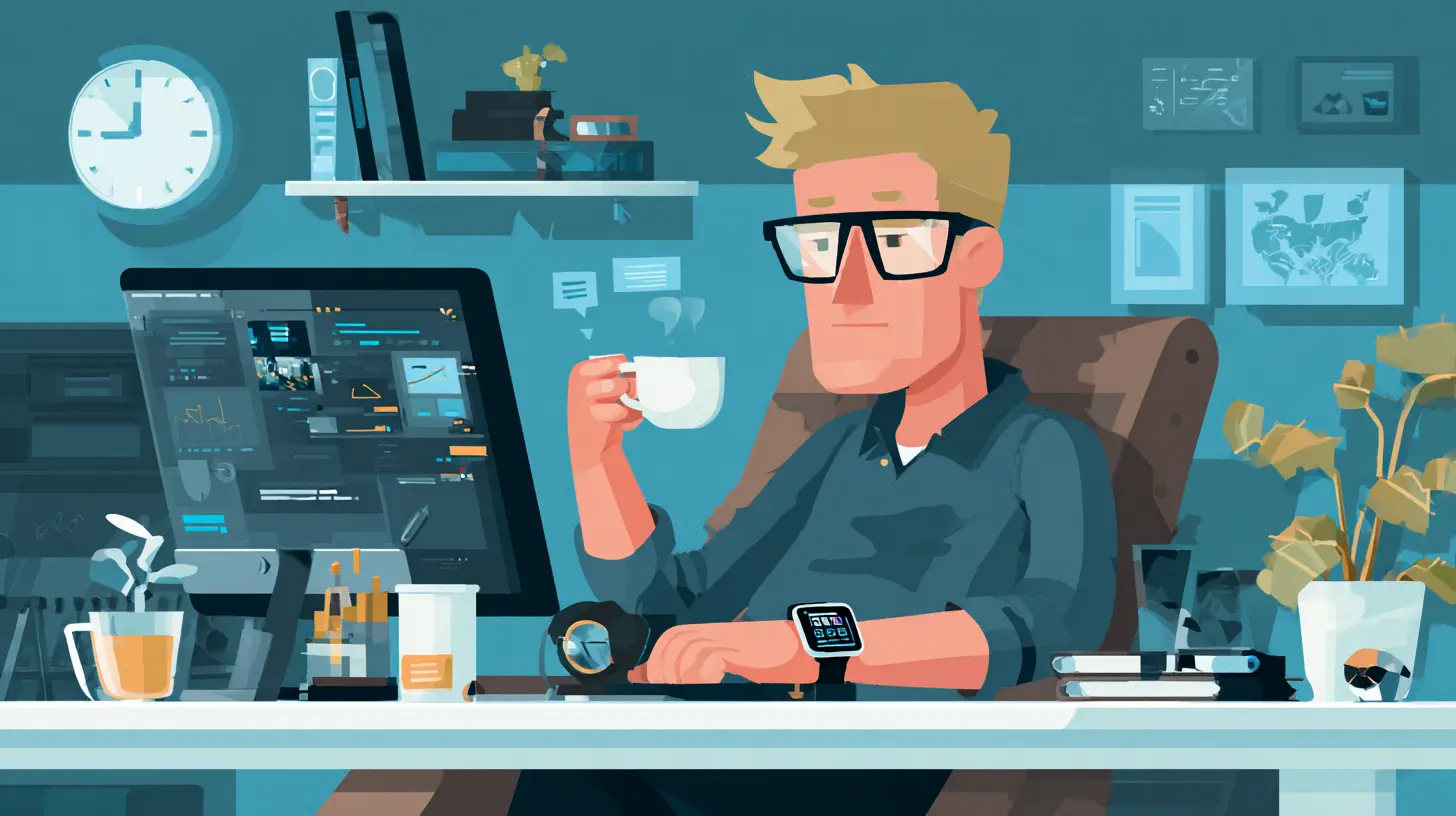
The quantified self movement started with people tracking steps, calories, and sleep. The idea was simple: if you measure something, you can improve it. Freelancers face a different set of metrics. Billable hours, focus time, client communication response rates, and energy levels throughout the day are harder to track than steps. Wearable tech attempts to bridge that gap.A smartwatch that buzzes when you have been sitting too long is not just a health reminder. It is a productivity signal. It tells you that your body is entering a state of stagnation, which directly impacts your cognitive performance. The best freelancers I know do not work harder. They work in cycles. They know when to push and when to rest. Wearables provide the data to make those decisions with precision rather than guesswork.
But here is the catch. The data is only as good as your interpretation of it. A device that tells you your heart rate variability is low does not mean you should cancel a client call. It means you should adjust your expectations. You might need to prepare more thoroughly or schedule the call for a different time of day. Many freelancers make the mistake of treating wearable data as commands rather than indicators.
How Wearables Actually Change Work Behavior
Let me give you a concrete example from my own routine. I wear a simple fitness band that vibrates every 45 minutes if I have not moved. At first, I found it annoying. I would silence it and keep coding. But after a week, I noticed something. The breaks I took when I did obey the reminder were not wasted time. They were resets. I would stand up, stretch, look out the window, and then sit back down with a clearer head. My code quality improved. My error rate dropped.The mechanism here is not magic. It is simple physiology. The human brain is not designed for sustained focus beyond 90 minutes. The Pomodoro Technique has been around for decades for this reason. Wearables automate the reminder system. They remove the need for you to watch a timer. They also add a layer of biometric feedback. If your heart rate is elevated from stress, the device might suggest a breathing exercise instead of a work sprint.
For freelancers who work from home, this is especially valuable. The boundary between work and life is blurry. Without a commute to separate the two, you can easily slip into working for ten hours straight without realizing it. A wearable that tracks your activity patterns will show you exactly how long you have been sedentary. That visibility is the first step toward change.
The Hidden Cost of Constant Monitoring
There is a darker side to this picture. Wearing a device that constantly measures your performance can create anxiety. I have seen freelancers become obsessed with their sleep scores. They wake up, check the number, and if it is low, they convince themselves they will have a bad day. That becomes a self-fulfilling prophecy. The data does not help them. It becomes a source of stress.The same thing happens with step counts and standing hours. Some freelancers fall into the trap of thinking that more movement equals better productivity. That is not true. There is an optimal range. Walking too much can cut into focused work time. Sitting too little can make it hard to maintain deep concentration on complex tasks. The wearable cannot tell you where that balance lies for your specific work. Only you can figure that out through trial and error.
Another hidden cost is distraction. A smartwatch that shows notifications from your phone is a double-edged sword. On one hand, it lets you screen calls and messages without pulling out your phone. On the other hand, it creates a constant stream of interruptions. Every buzz pulls your attention away from the task at hand. Studies have shown that it takes an average of 23 minutes to fully refocus after a distraction. A wearable that buzzes every ten minutes is destroying your productivity, not enhancing it.
The fix is simple but often ignored. Turn off all notifications except the ones that matter. For a freelancer, that might be only client messages and calendar alerts. Social media notifications, news alerts, and email pings should be silenced. If you cannot trust yourself to do this, do not wear a smartwatch. Get a simple fitness band that only tracks activity and sleep.

Sleep Tracking: The Most Underrated Productivity Tool
Most freelancers I talk to neglect sleep. They think they can grind through projects on five hours of rest. They cannot. Sleep is when your brain consolidates memory, processes information, and clears out metabolic waste. Without enough quality sleep, your cognitive performance drops significantly. You make more mistakes. You take longer to solve problems. Your creativity suffers.Wearable sleep tracking is not perfect. No consumer device can measure sleep stages with clinical accuracy. But the trends are useful. If a device consistently shows that you get less than six hours of sleep on nights before client meetings, you have actionable information. You can adjust your schedule. You can start winding down earlier. You can identify patterns that you would never notice without the data.
The mistake most people make is trying to optimize sleep to an extreme degree. They see a score of 82 and want to get to 90. They change their mattress, their pillow, their room temperature, and their evening routine all at once. Then they cannot tell what actually helped. A better approach is to pick one variable and change it for a week. Track the results. Adjust again. Wearable data works best when used incrementally.
For freelancers who work with international clients across time zones, sleep tracking can be a lifesaver. If you have a call at 6 AM with a client in Asia, you need to know that you need to be in bed by 10 PM the night before. Your wearable can alert you when it is time to start winding down. It can also wake you at the optimal point in your sleep cycle, reducing grogginess. That alone can make a huge difference in how sharp you are during the call.
Activity Tracking and the Sedentary Freelancer
Freelancers who do knowledge work spend most of their day sitting. That is a fact. Prolonged sitting is linked to a range of health problems, from back pain to cardiovascular issues. But the productivity impact is more immediate. When you sit for hours without moving, blood flow to your brain decreases. Your energy levels drop. Your ability to think clearly diminishes.Wearables address this by reminding you to stand and move. But the implementation matters. A device that just buzzes and says "stand up" is not enough. You need to actually do something when you stand. A quick walk to the kitchen or a few stretches is better than just shifting your weight from the chair to your feet. The best freelancers I know use these reminders as triggers for micro-movements. They do a set of squats. They walk up and down the stairs. They do a quick yoga pose.
The key insight here is that activity breaks should be short and intentional. A five-minute walk every hour is better than a thirty-minute walk after four hours of sitting. The wearable helps you maintain that rhythm. Without it, you will likely forget. Your brain gets absorbed in the work, and hours pass without you noticing. That is a sign of deep focus, but it comes at a physical cost.
Some freelancers use wearables to gamify their activity. They set step goals and compete with friends or with their own previous records. That can work, but be careful. Gamification can push you to prioritize quantity over quality. Walking an extra 2000 steps just to beat a score is not productive if it means you interrupt a flow state. Use gamification as a gentle nudge, not a hard target.
Stress Monitoring and Client Communication
One of the most advanced features in modern wearables is stress tracking. These devices measure heart rate variability, skin conductance, and other biometrics to estimate your stress level. For freelancers, this data is gold.Client communication is often the most stressful part of freelancing. Negotiating rates, handling scope creep, dealing with late payments, and managing difficult feedback all trigger stress responses. A wearable can alert you when your stress level is spiking during a call. That awareness lets you pause, take a breath, and respond more calmly. You can learn to recognize your own stress patterns and develop coping strategies.
I have personally used this feature to improve my negotiation skills. I noticed that my heart rate would spike whenever a client pushed back on my rates. The wearable showed me that I was reacting emotionally rather than logically. Once I saw the data, I could practice staying calm. I started using breathing techniques before calls. My closing rate improved.
But there is a trade-off. Constant stress monitoring can make you hyperaware of every small fluctuation. A normal increase in heart rate from walking up stairs should not be labeled as stress. Some devices are better than others at distinguishing between physical and emotional arousal. Do not treat the stress score as gospel. Use it as a rough guide.
The Ergonomics of Wearing Tech While Working
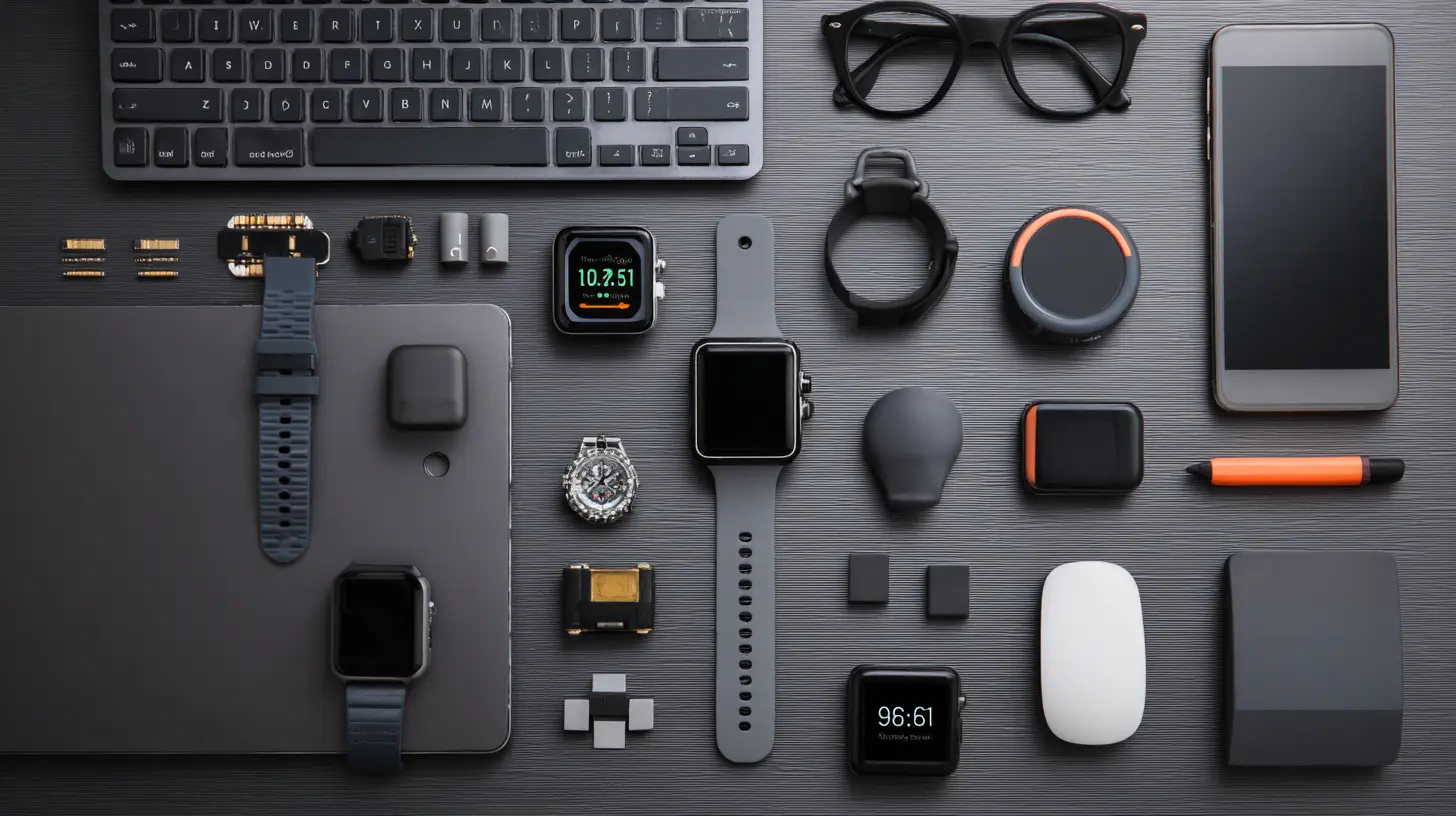
Comfort matters more than most people admit. A bulky smartwatch can get in the way when you are typing. A fitness band that is too tight can cause skin irritation. Smart glasses can give you headaches after an hour of use. If the device is uncomfortable, you will stop wearing it. That defeats the purpose.For freelancers who do a lot of typing, a lightweight band is usually better than a heavy smartwatch. The watch face should not be so large that it catches on your desk or keyboard. If you are a designer who uses a drawing tablet, a wrist-based device might interfere with your hand movements. In that case, a clip-on tracker that attaches to your clothing might be a better choice.
Another consideration is battery life. A device that needs to be charged every day is a hassle. You will forget to charge it. Then you will miss data. Then you will lose the habit. Look for a wearable that can last at least five days on a single charge. Ideally, it should charge quickly enough that you can top it up during a shower or a meal.
Common Misconceptions About Wearable Tech and Productivity
Let me clear up a few myths that I see repeated constantly.First, wearables do not make you more productive by themselves. They provide data. You have to act on that data. Buying a smartwatch will not automatically improve your time management. It is a tool, not a solution.
Second, more features are not better. A device that tracks your blood oxygen, skin temperature, and electrodermal activity is impressive, but most freelancers only need three things: activity reminders, sleep tracking, and heart rate monitoring. Everything else is noise. Do not pay extra for features you will never use.
Third, wearables are not a replacement for common sense. If you feel tired, take a break. Do not wait for your device to tell you. If you know you need to stand up, stand up. The wearable is a backup, not a primary system.
Fourth, privacy is a real concern. Wearable companies collect vast amounts of biometric data. That data can be sold, shared, or hacked. Read the privacy policy. Understand what data is collected and how it is used. If you work with sensitive clients, consider whether wearing a device that tracks your location and health data is a risk you want to take.
Best Practices for Freelancers Using Wearable Tech
Based on years of trial and error, here are the practices that actually work.Set up your wearable with a minimalist mindset. Disable all non-essential notifications. Only allow alerts for calls from key clients, calendar events, and health reminders. Everything else can wait.
Use the data to find your peak productivity hours. Most wearables can track your activity and sleep patterns. Combine that with your own logs of when you feel most focused. You will likely find a pattern. Some people are sharpest in the morning. Others hit their stride in the afternoon. Schedule your most important work during those windows.
Do not chase perfect scores. A sleep score of 85 is fine. A step count of 8000 is fine. The goal is not to maximize every metric. The goal is to maintain a stable baseline. Consistency beats optimization.
Review your data weekly, not daily. Looking at your stats every morning can lead to overthinking. A weekly review gives you a broader perspective. You will see trends that you might miss in daily fluctuations.
Combine wearable data with a simple journal. Write down how you felt each day and what you accomplished. Compare that with your wearable metrics. Over time, you will learn which patterns correlate with your best work.
When Wearable Tech Is Not the Answer
There are situations where wearables do more harm than good. If you are already prone to anxiety or obsessive behavior, the constant feedback can make things worse. Some freelancers find that they work better without any tracking at all. They prefer to rely on intuition and simple time blocking.Wearables are also less useful for freelancers who do physical work. If you are a freelance photographer, carpenter, or event planner, you are already moving throughout the day. The activity reminders are redundant. The sleep tracking might still be helpful, but the value is lower.
Another scenario is when you work in short, intense bursts. Some freelancers do their best work in 20-minute sprints followed by 10-minute breaks. A wearable that reminds you to stand every 45 minutes is misaligned with that rhythm. Customization matters. Look for a device that lets you set your own intervals.
The Future of Wearable Tech for Freelancers
The next generation of wearables will likely include more advanced biometrics that are directly relevant to knowledge work. Eye tracking could tell you when your focus is drifting. Brainwave sensors could detect mental fatigue before you feel it. Haptic feedback could guide you through complex workflows without looking at a screen.But do not wait for the future. The devices available right now are good enough to make a real difference. The key is to use them deliberately. Do not let the technology control you. Use it to gain insight into your own patterns, then make changes that actually improve your work and your life.
The most productive freelancers I know are not the ones with the most gadgets. They are the ones who understand their own rhythms and build systems around them. Wearable tech is just another tool in that system. Use it wisely, and it can help you work smarter, not harder.
all images in this post were generated using AI tools
Category:
Tech For FreelancersAuthor:

John Peterson
Discussion
rate this article
1 comments
Vesper Gates
Wearing gadgets like a superhero cape can turn freelancing into a productivity playground. Imagine tracking your coffee intake while your smartwatch reminds you to stretch... because who knew optimizing your workflow also means not turning into a desk potato?
July 21, 2026 at 3:05 AM
John Peterson
Absolutely! Wearable tech really does transform the freelancing game, blending health and productivity seamlessly. It's all about staying engaged and energized while you work.