The New Creators: How AI is Expanding the Circle of Innovation
19 November 2026
Innovation has always been a human endeavor, a spark ignited by curiosity and necessity. Yet, as we stand on the precipice of a new era, artificial intelligence is reshaping the landscape of creativity and innovation. This article delves into how AI is not just a tool but a catalyst for a new wave of creators who are redefining what it means to innovate.
The Evolution of Innovation
From Manual Craftsmanship to Digital Creation
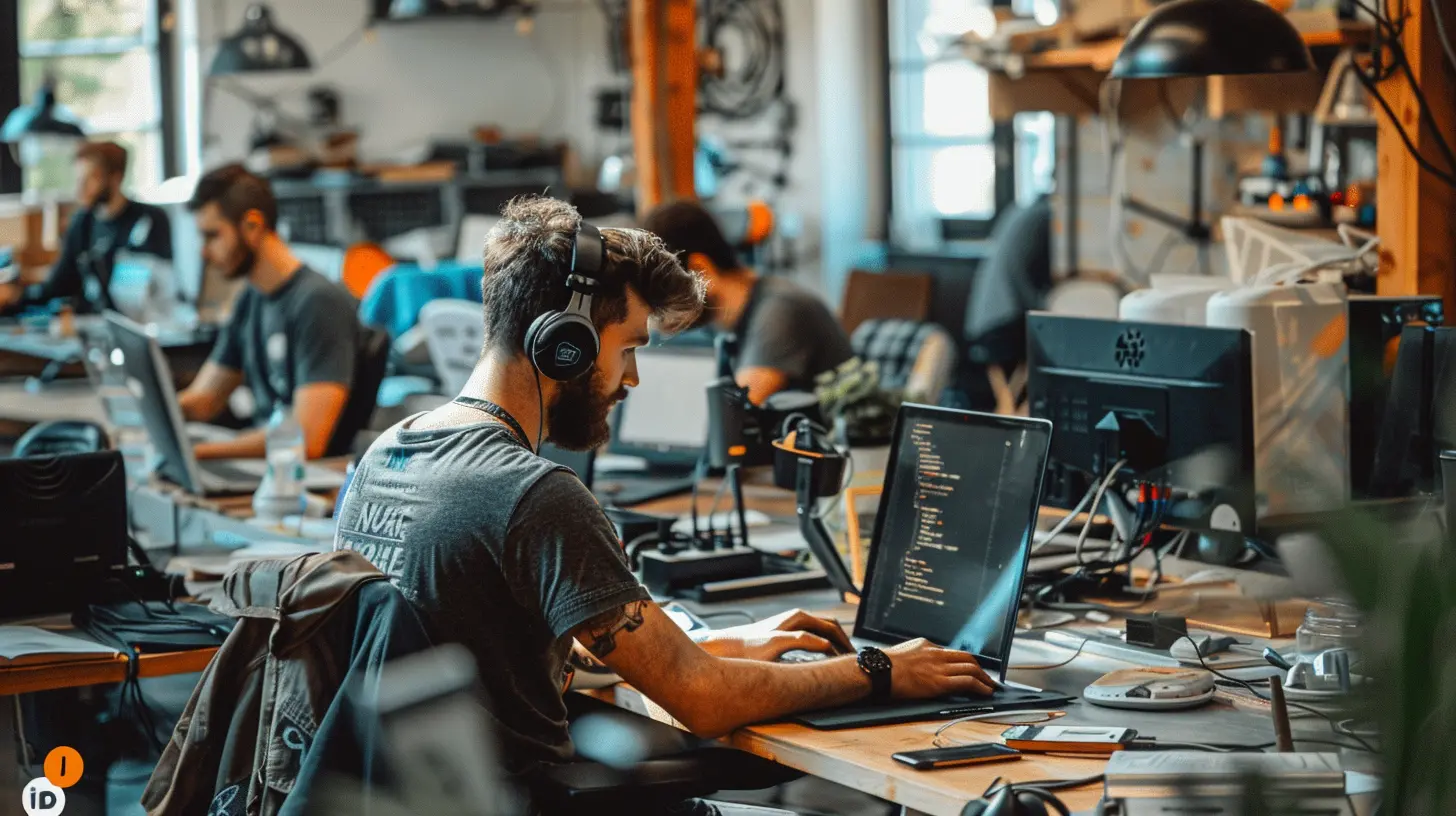
Historically, innovation has been the result of human ingenuity, driven by the limitations of tools and materials. The Industrial Revolution marked a significant shift, where machines began to augment human capabilities. Fast forward to the 21st century, and we find ourselves in an age where digital technologies, particularly AI, are taking this augmentation to unprecedented heights.AI systems can now analyze vast datasets, recognize patterns, and even generate creative content. This capability allows individuals and organizations to innovate faster and more efficiently than ever before. The question is not just about what AI can do, but how it can empower new creators to push boundaries.
The Role of Collaboration
AI thrives on collaboration, both between humans and machines and among individuals. In this new ecosystem, innovation is increasingly becoming a collective endeavor. For instance, consider how AI is utilized in design. Tools like Adobe Sensei use AI to enhance creative workflows, allowing designers to focus on high-level concepts while the software handles repetitive tasks. This collaboration not only speeds up the design process but also opens the door for those who might not have traditional design skills to contribute their ideas.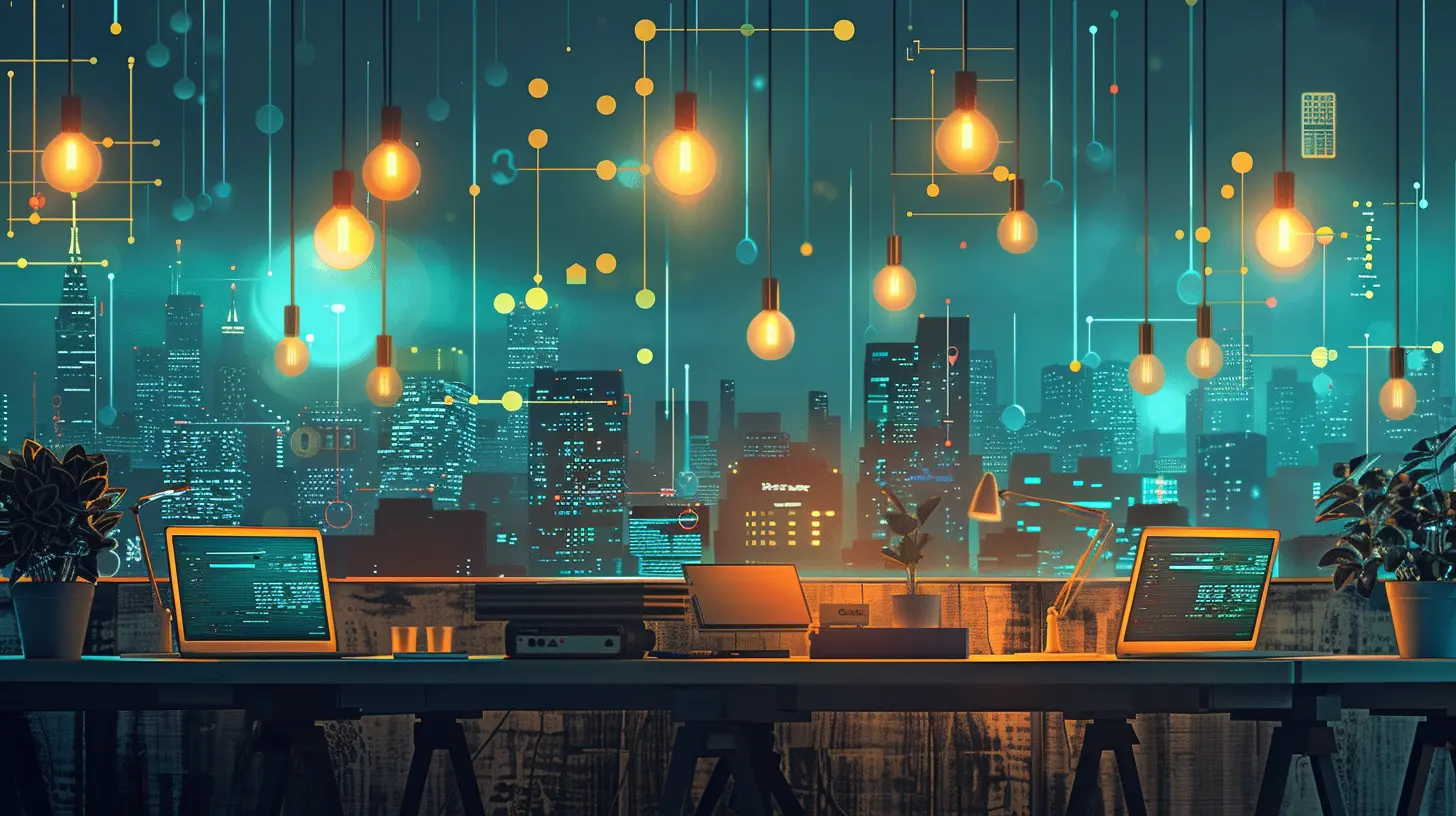
The New Creators: Who Are They?
A Diverse Landscape
The new creators are not confined to a specific demographic or profession. They range from artists and musicians to engineers and entrepreneurs. What unites them is their willingness to embrace AI as an integral part of their creative process.For example, musicians are using AI to compose music, generating melodies and harmonies that might not have emerged through traditional methods. Similarly, artists are employing AI tools to create visual art that challenges conventional aesthetics. This democratization of creativity is one of AI's most profound impacts.
Breaking Down Barriers
AI is also breaking down barriers to entry in various fields. Consider the world of coding. Platforms like GitHub Copilot provide AI-powered suggestions that help novice programmers write code more effectively. This assistance not only accelerates learning but also empowers individuals to tackle projects they might have deemed too complex before.However, this ease of access comes with its own set of challenges. As more individuals enter the creative space, the competition intensifies, and the need for unique value propositions becomes paramount.

How AI Fuels Innovation
Enhancing Creativity
AI's ability to analyze data and generate insights can significantly enhance the creative process. For instance, marketing teams can leverage AI to analyze consumer behavior, tailoring campaigns that resonate more deeply with target audiences. By understanding what works and what doesn't, creators can refine their approaches and drive more impactful results.Rapid Prototyping and Iteration
Another area where AI shines is in rapid prototyping. Traditional methods of product development often involve lengthy cycles of design, testing, and refinement. AI can streamline this process by simulating various scenarios and outcomes, allowing creators to iterate quickly. This agility is crucial in today's fast-paced market, where consumer preferences shift rapidly.Consider the tech industry, where companies like Tesla use AI to simulate vehicle performance under different conditions. This capability not only speeds up development but also enhances safety and efficiency.
Data-Driven Decision Making
The integration of AI into the innovation process also fosters a culture of data-driven decision-making. By harnessing analytics, creators can make informed choices rather than relying on gut feelings. This shift towards empirical evidence can lead to more successful outcomes, as decisions are based on actual trends and patterns rather than assumptions.However, it is essential to approach data with a critical eye. Data can be misleading if not interpreted correctly, and over-reliance on AI without human oversight can lead to unintended consequences.

Real-World Examples of AI-Driven Innovation
Art and Design
In the realm of art, the collaboration between AI and human artists has led to groundbreaking pieces. The artwork created by the AI program DeepArt has garnered attention for its ability to mimic various artistic styles. Artists can input their photos, and the AI transforms them into unique pieces that blend their vision with the computational prowess of the machine.Healthcare
AI's impact on healthcare innovation is profound. Machine learning algorithms can analyze medical images with remarkable accuracy, assisting doctors in diagnosing conditions earlier and more reliably. For instance, Google's DeepMind developed an AI that can detect eye diseases from retinal scans, potentially preventing blindness in millions. This application not only showcases AI's capabilities but also highlights how it can enhance human expertise rather than replace it.Content Creation
In the world of writing, AI tools like OpenAI's GPT-3 have revolutionized how content is generated. Writers can use AI to brainstorm ideas, draft articles, or even create poetry. While some may argue that AI-generated content lacks the soul of human writing, it undeniably serves as a valuable assistant, helping creators overcome writer's block and explore new directions.The Trade-Offs of AI in Innovation
Dependence on Technology
As AI becomes more integrated into creative processes, a significant concern arises: the potential for over-dependence on technology. While AI can enhance creativity, it should not replace the human touch that often makes innovation resonate. Creators must strike a balance, using AI as a tool rather than a crutch.Ethical Considerations
The rise of AI also brings ethical dilemmas. For instance, the use of AI-generated art raises questions about authorship and ownership. If an AI creates a piece of art, who holds the rights? This ambiguity can complicate the creative landscape and requires careful consideration and dialogue among stakeholders.The Risk of Homogeneity
While AI can foster creativity, there is a risk of homogenization. If many creators rely on the same AI tools and algorithms, the resulting output may become formulaic. To counteract this, creators should infuse their unique perspectives and experiences into their work, ensuring that AI enhances rather than stifles originality.
Best Practices for Integrating AI into Creative Processes
Start Small
For those new to AI, starting with small projects can be beneficial. Experiment with AI tools that align with your creative goals, whether that's generating ideas, analyzing data, or automating repetitive tasks. This gradual integration allows you to assess the impact of AI on your workflow without feeling overwhelmed.Embrace Continuous Learning
AI is a rapidly evolving field. Staying informed about new developments and tools can help you leverage AI effectively. Online courses, webinars, and industry conferences are excellent resources for enhancing your knowledge and skills.Foster a Collaborative Mindset
Encouraging collaboration between humans and AI can lead to innovative outcomes. Seek opportunities to work alongside AI tools, allowing them to complement your creativity rather than compete with it. This mindset shift can unlock new avenues for exploration and expression.Maintain Ethical Awareness
As you integrate AI into your creative process, remain mindful of ethical considerations. Understand the implications of using AI-generated content and ensure that you respect the rights of others. Engaging in open discussions about the ethical use of AI can foster a more responsible creative community.Conclusion: Embracing the Future of Innovation
The new creators are not just adapting to change; they are actively shaping it. By embracing AI, they are expanding the circle of innovation, allowing for a richer tapestry of ideas and expressions. While challenges and ethical dilemmas exist, the potential for growth and creativity is immense. As we navigate this new landscape, the collaboration between human ingenuity and artificial intelligence will undoubtedly pave the way for groundbreaking advancements.
all images in this post were generated using AI tools
Category:
Future TechAuthor:

John Peterson
Discussion
rate this article
1 comments
Darrow Green
This article highlights how AI is truly democratizing innovation. It's exciting to see diverse voices and ideas emerge, pushing boundaries and reshaping industries in unexpected ways.
November 19, 2026 at 4:11 AM