The Rise of Brain-Computer Interfaces: Merging Mind and Machine
2 February 2026
Imagine a world where your thoughts alone could control your devices, communicate feelings, or even help restore lost senses. Sounds like something out of a sci-fi movie, right? Well, not anymore. The rise of brain-computer interfaces (BCIs) is steadily transforming that fantasy into reality, blurring the line between man and machine in ways we never thought possible.
Welcome to the future—where your brain is not just in your head; it’s also a remote control, a translator, a healer, and maybe even your next password.
Let’s dive into the fascinating evolution of brain-computer interfaces and see how they’re reshaping tech and touching lives.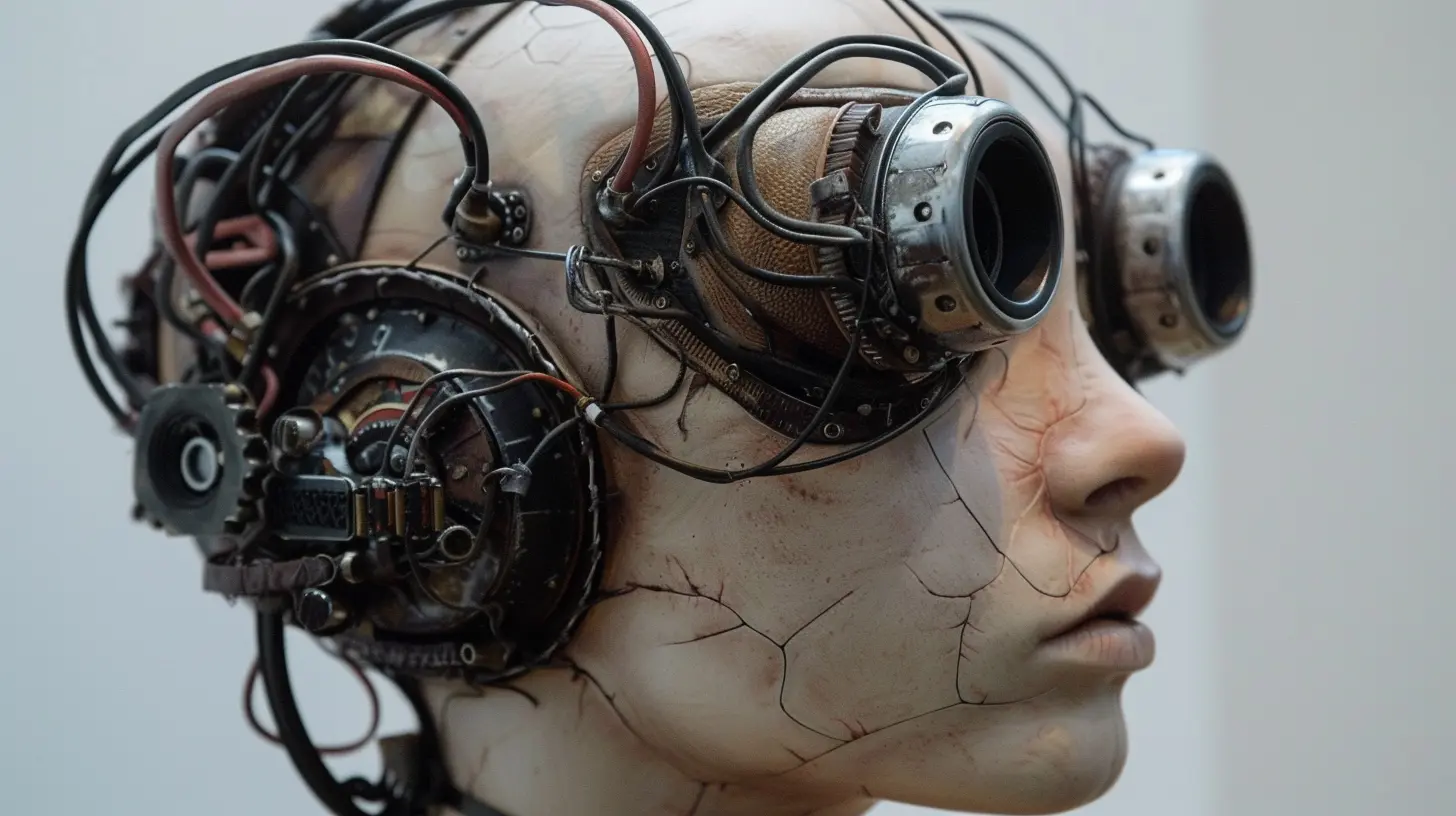
What Are Brain-Computer Interfaces?
In simple terms, a brain-computer interface (BCI) is a direct communication pathway between your brain and an external device—most often a computer or some form of tech-enabled equipment. It picks up electrical signals from your brain, translates them, and uses them to perform certain actions.BCIs don’t require you to move a muscle. You think, the system reacts. That’s the magic.
And no, it’s not mind-reading in the Harry Potter sense. It’s more like translating brain signals into digital commands.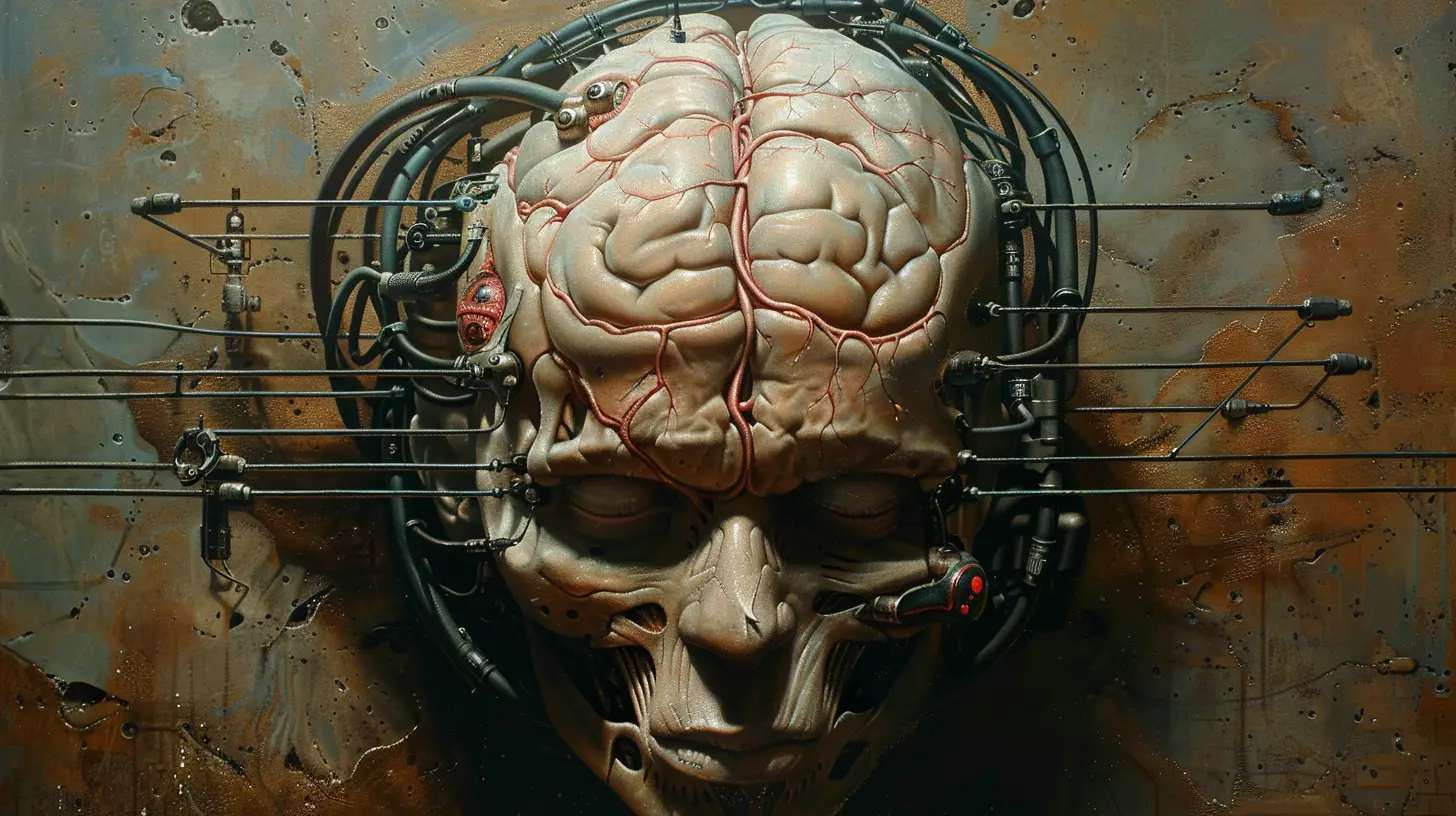
The Origins: Humble Beginnings in Labs
The idea of BCIs dates back several decades to early neuroscience experiments. Initial developments were clunky and limited to labs. Researchers used electrodes placed on the scalp (non-invasive) or even implanted deep in the brain (invasive) to understand how the brain communicates with the body.Think of it like early models of the telephone—cords everywhere, massive devices, tons of noise, but still groundbreaking. Back then, BCIs were mostly used for understanding brain activity, helping paralyzed individuals regain some level of control, or studying disorders like epilepsy.
Fast forward to now, and we're talking about startups, tech giants, and academic geniuses all racing to make BCIs more consumer-friendly, safe, and life-changing.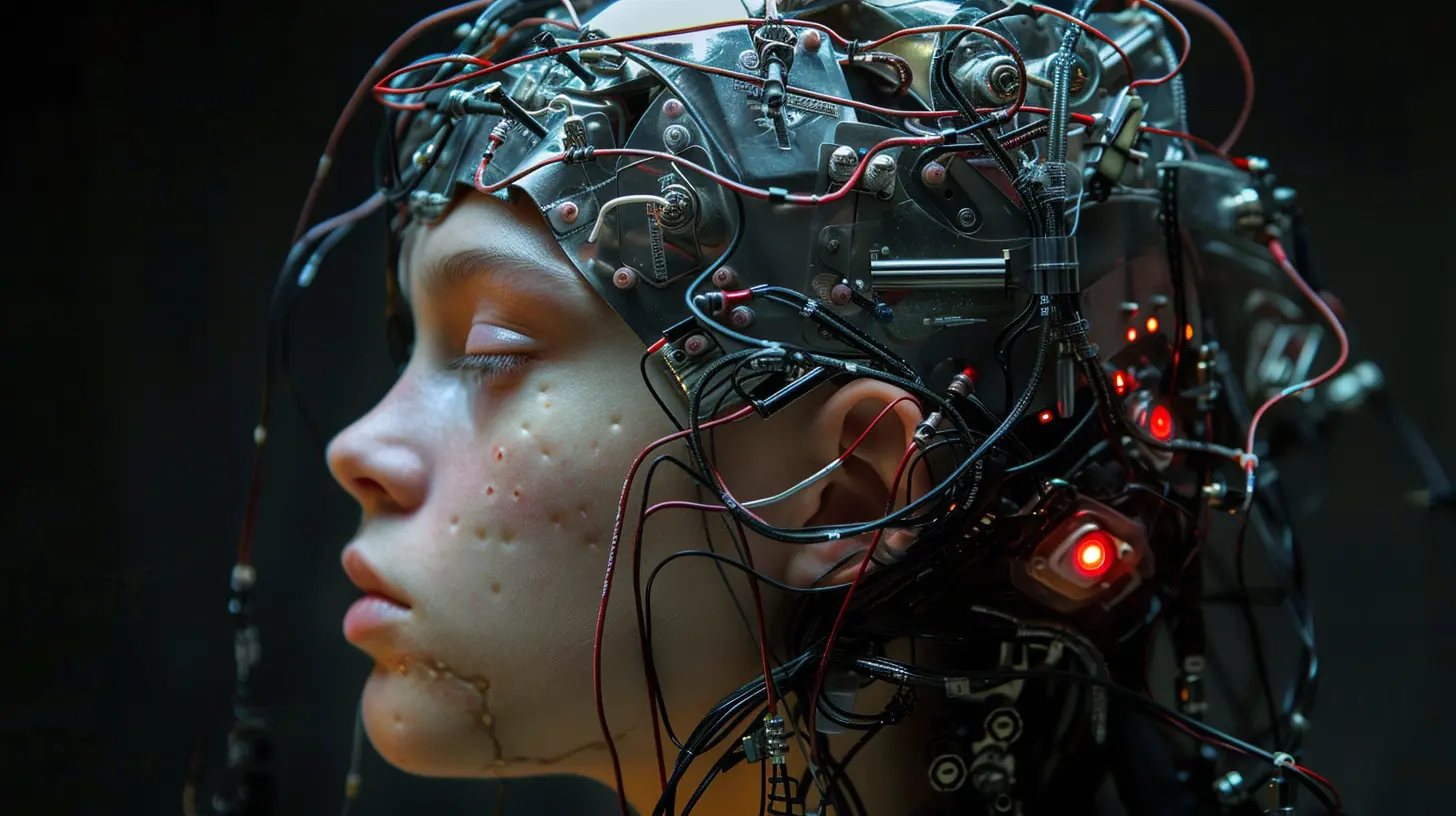
Why BCIs Matter So Much Right Now
You might be wondering—why all the buzz around BCIs suddenly?Well, there are a few solid reasons.
1. The Medical Revolution
First and foremost, BCIs are becoming a game-changer for people with physical disabilities. Imagine being locked into your body, unable to move or speak, yet fully conscious. For individuals with ALS, spinal cord injuries, or severe strokes, BCIs offer a way out—a bridge between mind and machine to reconnect with the world.Through brain signals alone, patients have been able to type, run wheelchairs, and even speak using voice synthesizers. That’s not just innovation—it’s empathy powered by engineering.
2. Gaming and Virtual Reality
Gamers, listen up! BCIs are inching into the world of immersive gaming and VR. Companies are experimenting with tech that lets you play using just your thoughts—no joystick, no controller, just pure mental horsepower.It’s basically the Force from Star Wars, but plugged in.
3. Accessibility and Communication
People with speech impairments or severe motor issues can now communicate much more easily. With the help of BCI interfaces, tech is learning to read patterns of thought and translate them into text or sound in real time.Suddenly, that silent world isn’t so silent anymore.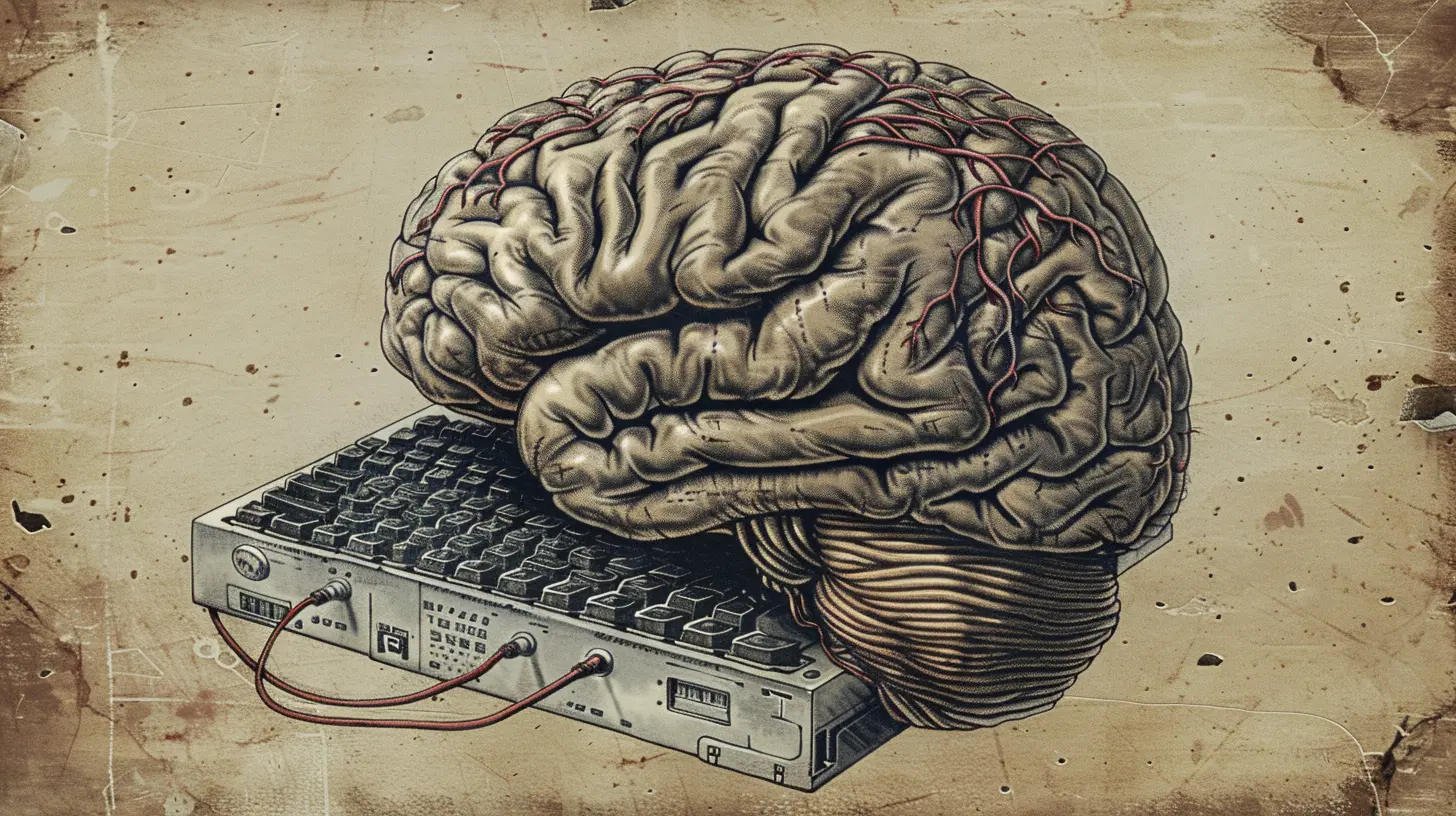
How Do Brain-Computer Interfaces Work?
BCIs essentially follow a three-part process:1. Signal Acquisition: Electrodes (either external or implanted) pick up brain activity.
2. Signal Processing: The BCI system filters and interprets the raw brain data, translating it into understandable commands.
3. Output Function: The system executes an action—moving a cursor, steering a wheelchair, or controlling a robotic arm.
Now, the accuracy and speed of that entire process depend on several factors, like the type of BCI (non-invasive vs. invasive), training time, and user’s brain adaptability. It's still far from perfect, but it's improving faster than ever.
Invasive vs. Non-Invasive BCIs: What’s the Difference?
Let’s break this down:- Non-Invasive: These use external devices like EEG headsets. They're safe, comfy, and hassle-free but not super precise.
- Invasive: Here, electrodes are implanted directly into the brain. They offer better accuracy and control but come with surgical risks.
It’s kind of like comparing Wi-Fi and Ethernet. One’s more convenient; the other’s more powerful and stable.
Tech companies are now exploring “semi-invasive” options—something in between to balance safety and performance.
The Big Players in the BCI Game
Several tech giants and startups are pouring serious funds and brainpower (pun intended) into BCI development.Neuralink
Founded by Elon Musk, Neuralink has been making waves with its brain chip implants. Their goal? Enable humans to communicate directly with machines and even each other—faster than we can blink.They’ve already tested on animals and are gearing up for human trials.
Kernel
Kernel is working on non-invasive brain recording helmets. They’re trying to make brain data as accessible and interpretable as heart data.CTRL-Labs (Acquired by Meta)
This startup developed wristbands that translate electrical signals from the brain into computer inputs. Meta (Facebook) saw the potential and acquired them. Their dream? Letting you interact with augmented reality through thought alone.Real-Life Applications Beyond Sci-Fi
So, how is this tech actually being used today?1. Assisting Disabled Individuals
People with paralysis can now use BCIs to control robotic arms, type messages, or even browse the internet. That’s not just utility—it’s independence.2. Neurofeedback Therapy
BCIs are being used in mental health treatments to help people recognize and control brain patterns related to anxiety, ADHD, and depression.3. Enhancing Learning and Memory
Some BCI experiments show promising results in aiding memory retention and focus. Imagine being able to “download” skills straight from your brain’s activity. While that’s still far off, the early signs are intriguing.4. Military and Security Use
Governments are exploring BCIs for enhanced soldier performance, faster reaction times, and even telepathic communication-like systems. The ethics of this, though, will need serious debates.The Ethical and Social Dilemma
With great brain power comes great responsibility, right?As exciting as BCIs are, they raise some tricky questions:
- Who owns your brain data?
- Can BCIs be hacked?
- Will this widen the accessibility gap between rich and poor?
- Could it become a tool for surveillance or control rather than empowerment?
These aren’t just “what-ifs”; they’re real concerns. And as the tech moves forward, so must the conversation around regulation, safety, and digital human rights.
The Road Ahead: What’s Next for BCIs?
BCIs are still in their early days, much like the internet was in the '90s. There’s a lot we don’t know yet, but the potential is awe-inspiring.We’ll likely see:
- More non-invasive options that require no surgeries.
- Faster data processing, thanks to AI integration.
- Mainstream BCI devices for gaming, productivity, and health tracking.
- Better brain training programs to improve communication speed and accuracy.
And who knows? Maybe one day, you’ll be able to send a text message just by thinking it—or even access information like Neo from The Matrix.
Final Thoughts
The rise of brain-computer interfaces is more than just a cool tech trend—it’s a human story. It’s about giving voice to the voiceless, unlocking potential hidden in the human mind, and creating connections that literally break through physical and digital barriers.Sure, the road is filled with hurdles, from ethical minefields to technical limitations. But for every challenge, there’s also a glimmer of hope, a spark of innovation, and a reason to keep pushing forward.
So next time you hear about a BCI breakthrough, remember—it’s not just code and wires. It’s the future of human experience, one thought at a time.
all images in this post were generated using AI tools
Category:
Future TechAuthor:

John Peterson
Discussion
rate this article
2 comments
Claire Luna
Fascinating topic! I wonder how brain-computer interfaces might reshape our understanding of consciousness and human potential.
March 8, 2026 at 3:27 AM
John Peterson
Thank you! Brain-computer interfaces indeed have the potential to revolutionize our understanding of consciousness, offering new insights into human potential and the mind-machine relationship.
Caelum Wilcox
The emergence of brain-computer interfaces (BCIs) marks a significant advancement in human-computer interaction. By enabling direct communication between the brain and external devices, BCIs have the potential to revolutionize fields such as medicine, gaming, and accessibility, fundamentally altering how we interact with technology.
February 3, 2026 at 4:16 AM
John Peterson
Thank you! I completely agree—the potential of BCIs to transform our interaction with technology is truly exciting and holds great promise for various fields.