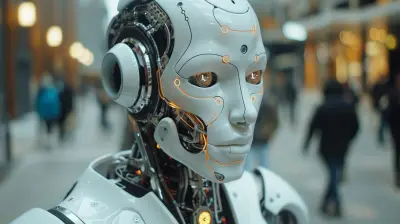
The Role of Battery Tech in Smart Cities
23 January 2026
Let’s face it—our cities are getting smarter by the day. From connected traffic lights to autonomous buses and solar-powered garbage bins that send alerts when they're full, we're heading towards a tech-fueled urban transformation. But what’s driving this smart revolution when the power grid can’t always keep up? It’s battery technology. Yep, battery tech is the unsung hero in this futuristic tale, keeping everything juiced up even when traditional electricity isn’t around.
So, if you're wondering how battery tech fits into the grand blueprint of smart cities, buckle up. We’re diving deep into how energy storage is becoming the backbone of urban innovation.
What Exactly Is a Smart City?
Before we get too geeky about lithium ions and solid-state cells, let’s break down what we mean by a "smart city." A smart city uses digital technology and data to improve the quality of life for its citizens. Think of it as the Internet of Things (IoT) blown up to urban scale.Smart cities run on a grid of connected devices—think street lights that adjust based on traffic flow, air quality sensors, energy-efficient buildings, or real-time public transport updates. But here's the catch: all this tech needs power, and it needs it 24/7.
Traditional sources? Not reliable or sustainable enough. That’s where battery tech jumps in like a superhero.
Why Battery Technology Matters Now More Than Ever
Let’s be real—energy demand is off the charts. As urban populations soar (hello, over 70% of the world living in cities by 2050), the need for reliable, on-demand power becomes sky-high. Without efficient and intelligent battery systems, your smart city app might just turn into a dumb inconvenience during a blackout.Battery technology steps in to:
- Store surplus power (especially from renewables like solar and wind)
- Back up critical services during outages
- Reduce dependence on fossil-fueled grids
- Power autonomous vehicles and IoT devices without a hiccup
And guess what? It’s not just about keeping your smartphone charged anymore.
Battery Tech as the Pulse of Smart Infrastructure
Imagine the city as a living organism. The sensors, cameras, and controllers are its senses and nerve endings. But the energy stored in batteries? That’s the blood flowing through its veins.Let’s unpack some areas where battery tech is doing the heavy lifting.
1. Smart Grids and Energy Storage
A smart grid is like a brainy version of the traditional electrical grid. It can respond to changes in electricity demand and supply in real-time. Now pair it with powerful battery storage systems, and you’ve got a grid that not only thinks but also plans ahead.How it works:
- During low-demand periods, extra energy (mainly from renewable sources) is stored in large-scale batteries.- When demand spikes, instead of firing up pollution-heavy generators, cities can deploy stored energy almost instantly.
This means fewer blackouts and more stable electricity prices. And who doesn’t love saving money while saving the planet?
2. Renewable Energy Integration
Ever tried using solar power at night? Doesn't really work, right?That’s the renewable paradox: clean energy isn’t always available when we want it. But batteries allow cities to "save" clean energy for later use.
Let’s say your neighborhood has a bunch of solar panels. During sunny hours, they generate more power than needed. That extra juice is stored in batteries. Then, when the sun goes down, the battery kicks in so you can keep your Netflix marathon going without tapping into the dirty grid.
Cities like Amsterdam and San Diego are already experimenting with these setups. It’s like urban farming—except you’re harvesting light instead of lettuce.
3. Mobility and Electric Transport
Electric vehicles (EVs) are no longer just sleek Teslas zipping around bougie neighborhoods. They’re buses, scooters, delivery vans, and even garbage trucks in many smart cities.But here’s the kicker: none of them work without advanced battery systems.
Notable perks:
- Zero emissions (unless you count tire marks)- Lower maintenance costs
- Reduced noise pollution (seriously, have you heard an EV bus? It’s whisper-quiet)
Even better? Cities are building EV charging networks powered by renewable-battery combos. That’s like a double whammy of sustainability.
Oh, and don’t forget about battery-powered drones for emergency medical deliveries or smart parking systems that run on stored energy. The mobility game is changing, and batteries are riding shotgun.
4. Emergency Response and Resilience
When natural disasters strike, the last thing you need is a power outage in a hospital or emergency center. Battery backups are becoming essential in disaster planning.Think of battery-backed systems like a digital storm shelter—they make sure that vital services like water, communication, and healthcare stay operational when the grid bails on you.
Some cities are even deploying mobile battery stations—giant power banks that can be trucked into affected areas. It’s energy on wheels.
The Tech Behind the Power
Alright, now that we’re all hyped up about batteries, let’s peek under the hood. What kinds of battery tech are smart cities using?Lithium-Ion Batteries
These are the MVPs of current battery tech—used everywhere from your laptop to electric buses. They’re lightweight, charge quickly, and have a decent lifespan. But they’re not perfect—issues like overheating and mining for lithium raise concerns.Solid-State Batteries
Think of these as lithium-ion’s cooler, safer cousin. They use solid electrolytes instead of liquid, which makes them less likely to burst into flames. Plus, they offer even higher energy density. They're still in the R&D phase but have massive potential.Flow Batteries
Ever heard of a battery that uses tanks of liquid to generate electricity? That’s a flow battery. They’re perfect for large-scale storage because they can be charged and discharged indefinitely without losing capacity. Great for city-wide energy solutions.Sodium-Ion and Zinc-Air Batteries
These aren’t mainstream yet, but they’re gaining attention as more sustainable alternatives. Sodium is abundant (hello, salt!) and zinc-air is super lightweight. Their chemistry could make battery tech much cheaper and greener.Key Benefits of Battery Integration in Smart Cities
Let’s round up the win-win situation battery tech brings to the urban table:- Energy Security: Keeps critical systems running even during outages.
- Cost Savings: Reduces electricity bills by using stored energy during peak hours.
- Cleaner Air: Cuts emissions by enabling clean transport and reducing fossil-based power.
- Faster Tech Adoption: Encourages growth in EVs, smart homes, and renewable infrastructure.
- Public Safety: Ensures emergency services stay online no matter what.
How’s that for a battery-powered upgrade?
Challenges Still on the Table
Of course, it’s not all sunshine and seamless charging. Battery tech does come with some roadblocks.- Environmental Impact: Mining for lithium and cobalt isn’t always eco-friendly.
- Recycling Issues: We’re still working on scalable recycling methods for batteries.
- High Initial Costs: Advanced batteries aren’t cheap, especially for public infrastructure.
- Regulatory Hurdles: Different regions have different rules, slowing down deployment.
But the good news? Innovation is catching up fast. Governments, startups, and tech giants are pouring money into R&D, making the dream of fully battery-powered smart cities more reachable than ever.
What's Next? The Future of Battery Tech in Smart Cities
If you thought things are moving fast now, the next decade will feel like light speed.We’re talking:
- AI-powered energy systems that decide when and where to deploy stored energy
- Swappable EV batteries that reduce downtime
- Battery-sharing networks for homes and businesses
- Wireless charging highways (yes, roads that charge your EV while you drive)
Smart cities and smart batteries are growing together like coffee and caffeine—you can’t have one without the other.
Final Thoughts
So, the next time you’re cruising through a city where the traffic flows smoothly, the air feels cleaner, and your bus is eerily quiet, give a silent nod to battery tech. It’s not as flashy as AI or 5G, but without it, smart cities would be more science fiction than reality.Battery technology is the backbone, the safety net, and the supercharger of our digital urban future. And as innovation keeps pushing forward, our cities will not just get smarter—they’ll get cleaner, quieter, and a whole lot more livable.
all images in this post were generated using AI tools
Category:
Battery TechnologyAuthor:

John Peterson
Discussion
rate this article
2 comments
Bella Ruiz
Embracing innovative battery technology is key to powering the smart cities of tomorrow. With sustainable energy solutions, we can transform urban living, reduce our carbon footprint, and create a cleaner, more efficient future. Together, let’s drive the change toward a smarter, greener world!
March 4, 2026 at 12:43 PM
John Peterson
Absolutely! Innovative battery technology is crucial for smart cities, enabling sustainable energy solutions that enhance urban living and reduce our carbon footprint. Together, we can build a greener future!
Thomas McConnell
Great article! I appreciate the insights on how battery technology is shaping the future of smart cities. It's exciting to see how advancements in energy storage can improve sustainability and efficiency. Looking forward to seeing these innovations transform urban landscapes in the coming years!
January 25, 2026 at 3:57 AM
John Peterson
Thank you for your kind words! I'm glad you found the insights valuable. Exciting times ahead for smart cities!