Using Big Data to Improve Supply Chain Efficiency
6 May 2026
Trying to navigate the modern supply chain without data is like driving cross-country with a broken GPS. You’re bound to get lost, waste time, burn through resources, and probably end up pretty frustrated. But plug into Big Data? Suddenly, you've got a real-time map, weather alerts, traffic reroutes, and even local coffee shop recommendations. That’s the kind of power Big Data brings to the table.
In today’s fast-paced, always-on world, supply chains aren’t just logistic operations—they’re the backbone of businesses. If your chain is sluggish or, worse, broken, it impacts everything from customer satisfaction to the bottom line. So how do you keep things humming smoothly? Enter Big Data.
Let’s dive into how using Big Data is reshaping supply chains and, more importantly, how you can tap into it to boost your own operations.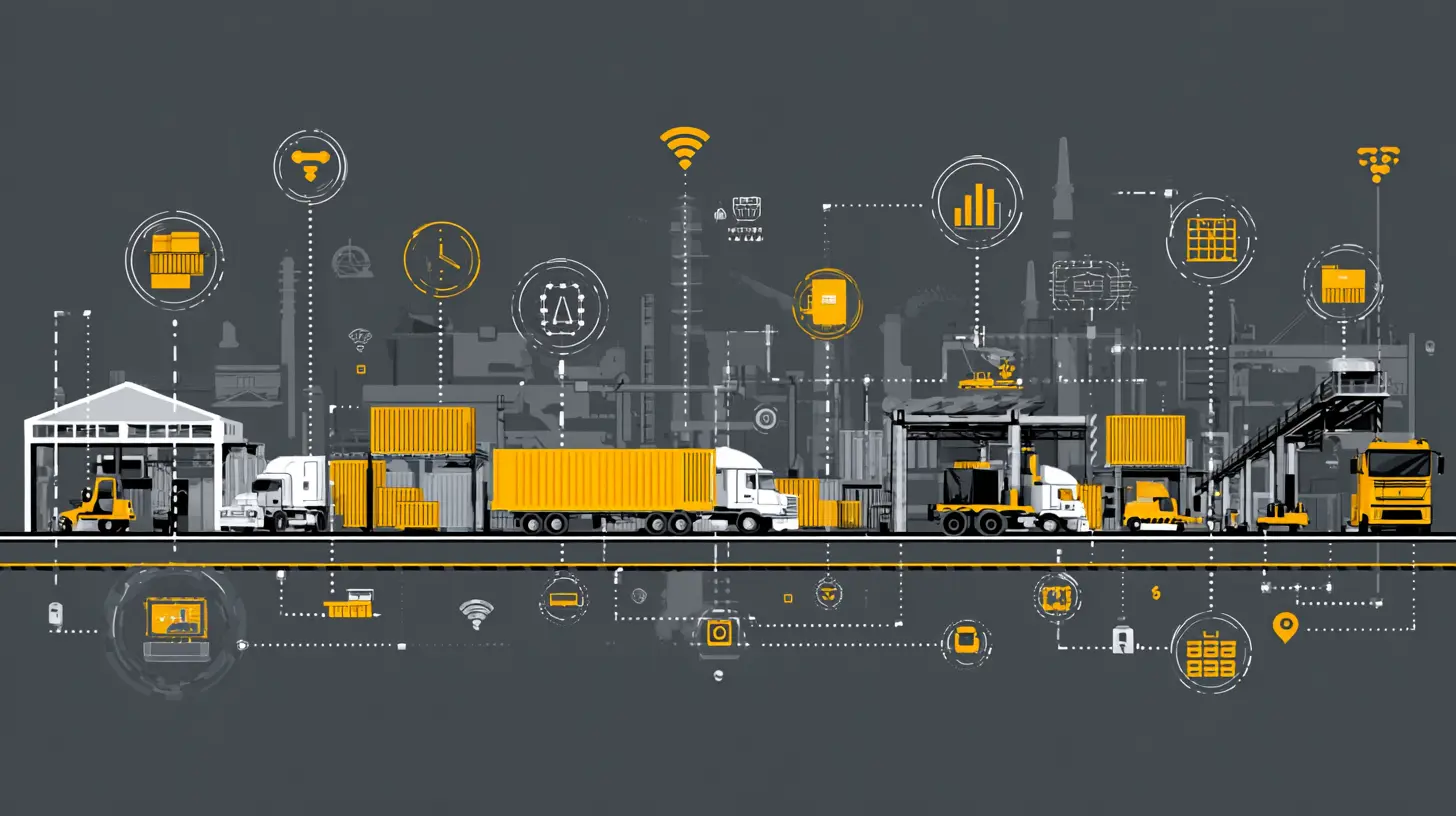
What Is Big Data in Supply Chain?
Before we unpack its wonders, let’s get one thing straight—what exactly do we mean by “Big Data” in the context of a supply chain?Big Data refers to large, complex sets of information that's gathered from various sources: sensors, RFID chips, GPS systems, social media, customer reviews, and even weather reports. In a supply chain, this data gets collected every step of the way—from raw material sourcing to shipping final products.
But here's the kicker: It’s not just about having massive amounts of data; it’s about analyzing and using it smartly. Think patterns, predictions, and proactive decisions.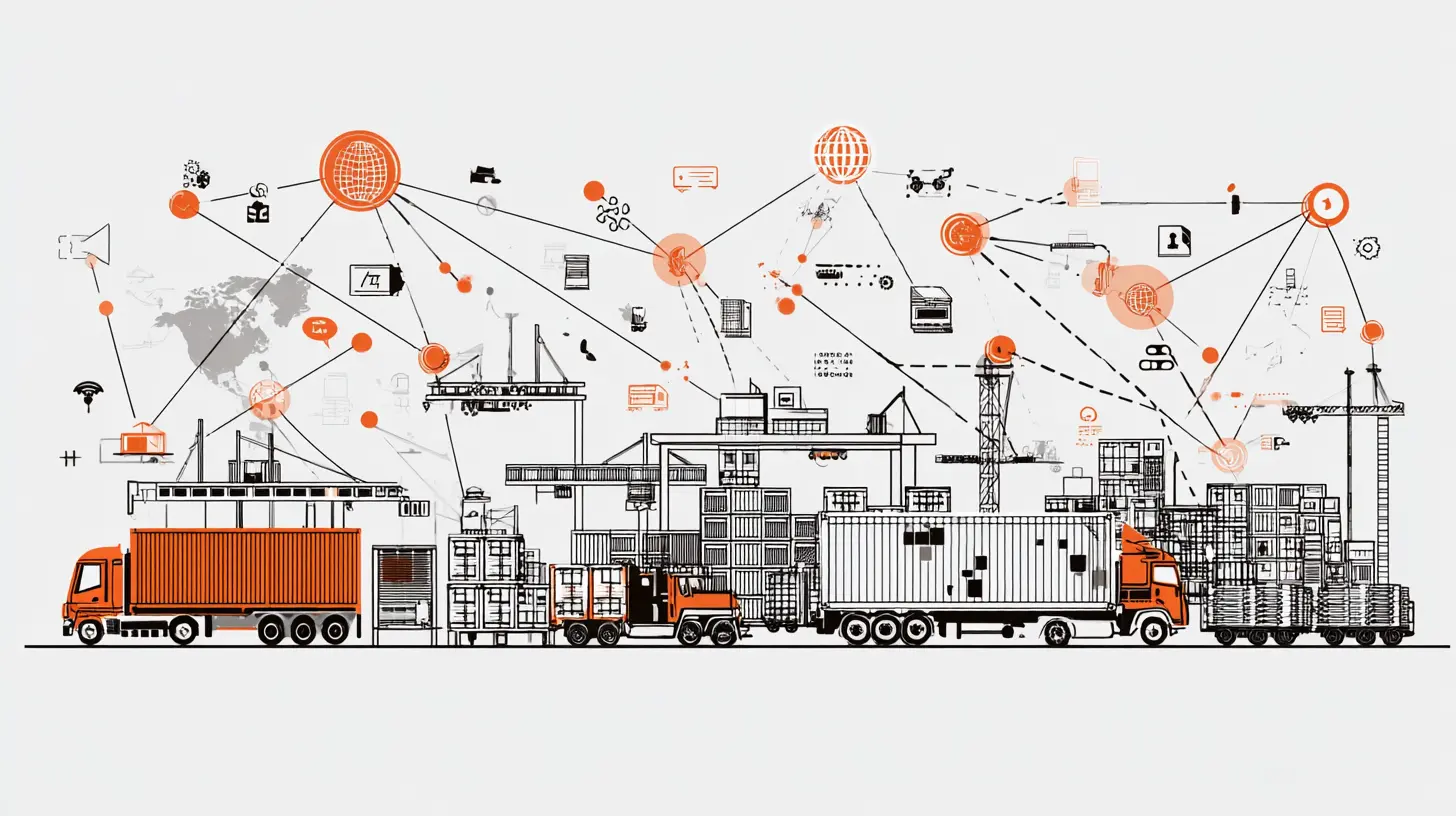
Why Supply Chains Need a Data Makeover
Let’s face it—traditional supply chains just can’t keep up anymore. They’re rigid, slow, and usually reactive instead of proactive. You only realize there’s a problem when it's too late. That’s like noticing your car engine is smoking after ignoring all the warning lights.Big Data flips the script by giving you those warning lights in real-time—and even predicting when they might flash in the future.
A few reasons why this matters:
- Rising customer expectations — People demand faster delivery, real-time tracking, and personalized experiences.
- Global complexities — With suppliers and customers scattered around the globe, visibility is key.
- Cost pressures — Every dime counts. Efficiency can make the difference between profit and loss.
- Disruptions — Think pandemics, natural disasters, or geopolitical issues. You need to be ready to pivot.
How Big Data Transforms Supply Chain Efficiency
Alright, now let’s get to the juicy part. Here’s how Big Data can supercharge your supply chain.1. Real-Time Visibility & Tracking
You know how annoying it is when you order something online and have no idea where it is? Now flip that to a business scale. Not knowing where your shipments are or what condition they’re in can cost you big time.Big Data offers real-time tracking using GPS, IoT sensors, and RFID tags. You can monitor the movement of goods, get alerts about delays, and even check temperature or humidity conditions. It's like having eyes on every package, truck, ship, and warehouse.
Benefit? You reduce the risk of lost inventory, increase accountability, and can make instant decisions when things go off track.
2. Predictive Analytics = Fewer Surprises
Big Data doesn’t just tell you what’s happening—it tells you what’s going to happen.Imagine you're running low on raw materials. With predictive analytics, you can forecast demand spikes, spot potential shortages before they occur, and adjust orders accordingly. It’s like having a crystal ball but powered by algorithms.
Companies like Amazon and Walmart are masters at this, using Big Data to stay one step ahead.
Examples of predictive insights:
- Demand forecasting
- Maintenance needs (before your truck breaks down)
- Weather disruptions affecting shipments
- Political events causing supplier delays
3. Smarter Inventory Management
Remember the days of overstocking “just in case”? That’s expensive. And understocking? Even worse.Big Data helps strike the perfect balance. By analyzing past sales, seasonal trends, and even social media sentiment, businesses can optimize stock levels.
Now you can avoid both stockouts and storage nightmares. Less waste. Less deadstock. More profit.
4. Better Supplier Performance Monitoring
All suppliers are not created equal. Some deliver on time every time; others—not so much. Big Data lets you track performance across multiple KPIs like delivery time, defect rates, and cost effectiveness.You can finally make data-driven decisions about who to keep and who to replace.
Pro tip: Sharing data with suppliers can boost collaboration, help them improve, and create win-win partnerships.
5. Enhanced Customer Experience
When your supply chain runs smooth, your customers feel the difference. Orders arrive on time, tracking info is accurate, and returns are hassle-free. You gain trust and loyalty.Big Data also allows for demand personalization. Imagine tailoring delivery schedules based on customers’ past behaviors or preferences. That’s next-level service.
6. Risk Management and Mitigation
Here's the truth: Disruptions are inevitable. But how you handle them—that’s where Big Data shines.By analyzing global events, news, and historical data, Big Data can help you anticipate disruptions and prepare contingency plans. Whether it’s a factory shutdown due to a pandemic or a port closure from a hurricane, you can pivot quickly.
Resilience isn’t just a buzzword; it’s a data-driven strategy.
Real-World Examples That’ll Blow Your Mind
Let’s stop theorizing and look at who's doing it right.Amazon
The king of logistics leverages Big Data in EVERYTHING. From warehouse robotics and intelligent inventory placement to route optimization and same-day delivery—Amazon has turned data into its secret weapon.UPS
Those brown trucks are powered by more than gasoline. UPS uses Big Data to analyze delivery routes, traffic patterns, and package locations. Their ORION system saves millions of miles per year and cuts fuel costs dramatically.Coca-Cola
With distribution across the globe, Coca-Cola uses Big Data to monitor inventory, optimize supply routes, and adapt to local market demands. The result? Cold drinks, everywhere, always.The Technologies Powering Big Data in Supply Chains
Big Data isn’t just a pile of spreadsheets. It uses some pretty slick tech to get the job done.- IoT (Internet of Things) — Devices and sensors feeding real-time updates.
- AI & Machine Learning — Smart algorithms spotting patterns humans miss.
- Cloud Computing — Centralized data storage that's accessible anywhere.
- Blockchain — Adding security and transparency to data sharing.
- Data Analytics Platforms — Tools like Tableau, Power BI, and Google BigQuery for visualization and analysis.
These tools turn raw data into smart decisions. And that’s the game-changer.
Challenges to Watch Out For
Let’s not pretend it’s all sunshine and rainbows. Implementing Big Data isn’t a cakewalk.1. Data Overload
Too much data without a plan is like drinking from a firehose. It’s overwhelming and dangerous. Having the right tools to manage, filter, and prioritize data is essential.2. Data Quality
Garbage in = garbage out. If your data is outdated, incomplete, or just plain wrong, your insights will be too.3. Integration Issues
Most companies use a patchwork of systems. Getting them to “talk” to each other can be tricky. Invest in middleware or integration platforms that smooth this out.4. Security Concerns
More data means more risk. Hackers just love juicy logistics data. Strong cybersecurity protocols are a must.5. Cost & Complexity
Big Data tech can be expensive to set up and requires skilled talent. But the ROI? Totally worth it if done right.Getting Started With Big Data in Your Supply Chain
Ready to take the plunge? Start small. You don’t need to become a data powerhouse overnight.Here’s a simple roadmap:
1. Set Clear Objectives — Know what you want to improve: Inventory? Delivery times? Forecasting?
2. Identify Useful Data Sources — Internal (sales, inventory) and external (weather, market trends).
3. Choose the Right Tools — Start with user-friendly analytics platforms.
4. Train Your Team — Make sure your people know how to use the tools.
5. Scale Gradually — Add more complexity as you build confidence.
Remember, it’s not about collecting every piece of data—it’s about collecting the right data.
Final Thoughts
Using Big Data to improve supply chain efficiency isn’t just a trend—it’s becoming the gold standard. It’s the difference between flying blind and flying with a co-pilot who knows every bump in the road.And the best part? As tech gets cheaper and smarter, even small and medium businesses can harness this power.
So whether you're shipping coffee beans from Brazil or smartphones from Shenzhen, Big Data can turn your supply chain into a lean, mean, money-saving machine.
Ready to make the leap?
all images in this post were generated using AI tools
Category:
Big DataAuthor:

John Peterson
Discussion
rate this article
2 comments
Landon Hughes
This article beautifully highlights the transformative power of big data in supply chains. It's inspiring to see how technology can drive efficiency and create smarter, more responsive systems for businesses everywhere.
May 28, 2026 at 4:15 AM
John Peterson
Thank you for your kind words! I'm glad you found the article inspiring. Big data truly has the potential to revolutionize supply chains.
Pandora McFarlane
Big data: making supply chains smarter... and less tangled!
May 10, 2026 at 4:30 AM
John Peterson
Absolutely! Big data truly transforms supply chains, enhancing efficiency and clarity. Thanks for your feedback!