We Switched to a Minimalist Phone for a Month: Here's What Happened
18 October 2026
The idea sounded simple enough. Swap the smartphone for a stripped-down device for thirty days, then write about it. No doomscrolling, no notification ping-pong, no reflexively checking a screen every time a conversation hit a lull. We expected the usual narrative arc: initial withdrawal, a virtuous middle stretch of presence and productivity, and a triumphant return to "real life" with a few lessons learned.
What actually happened was messier and far more interesting. The experiment exposed assumptions we did not know we were carrying, revealed that "minimalist phone" is a fuzzy category rather than a single product, and forced some hard trade-offs that no amount of enthusiasm could paper over. This is the honest account, along with the practical analysis you would want before trying it yourself.
What "Minimalist Phone" Actually Means
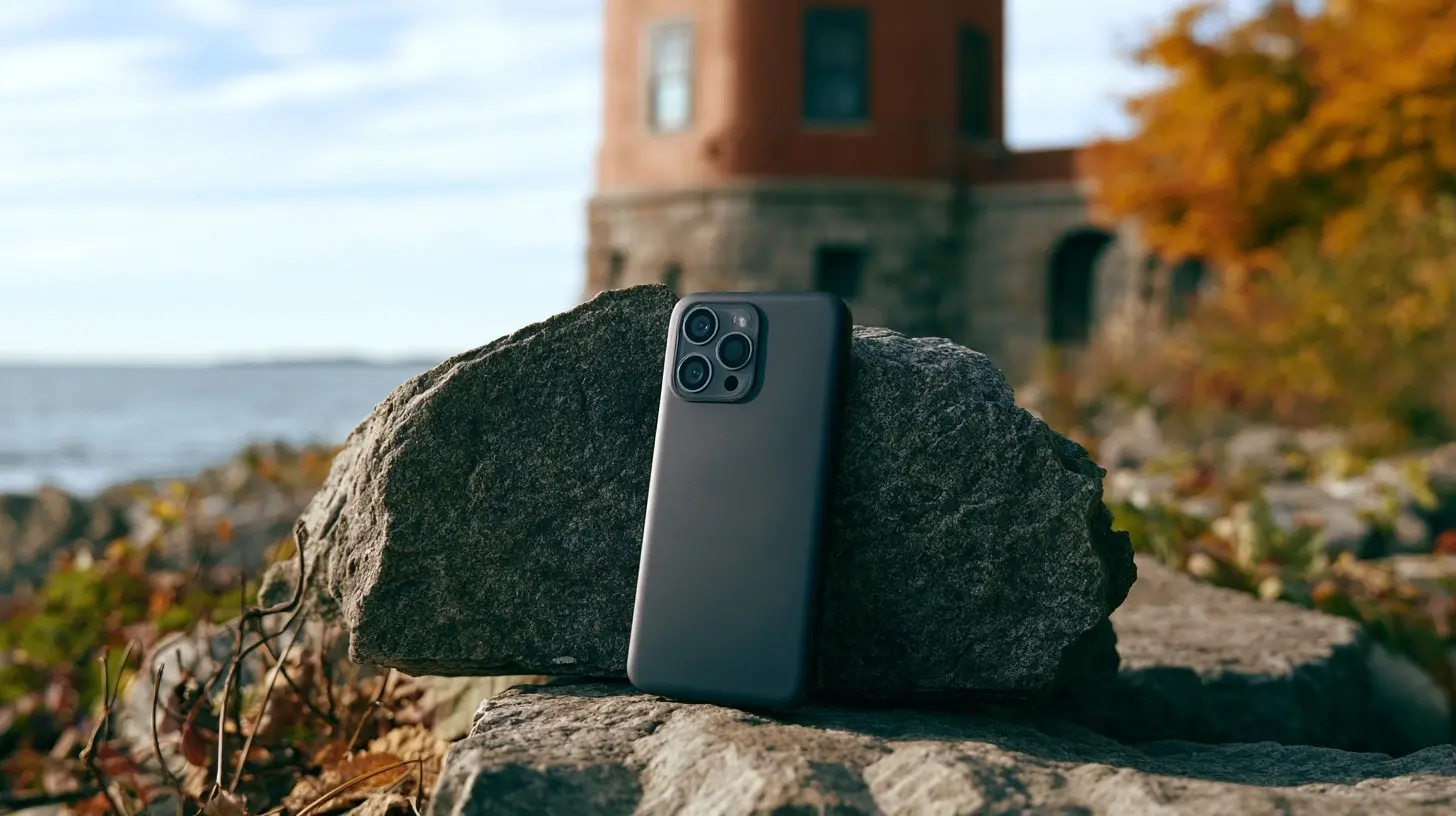
Before describing the month, it helps to define the term, because the marketing around these devices is slippery. A minimalist phone is not one thing. It is a spectrum, and where you land on that spectrum determines almost everything about your experience.At one end you have true feature phones. Think of the classic candybar handset: calls, texts, a basic clock, maybe an FM radio. No app store, no browser worth using, no camera that tempts you to curate your life instead of live it. Devices in this category are cheap, durable, and almost impossible to misuse for hours at a time because there is nothing to misuse.
In the middle sit the so-called "dumbphone plus" devices. These run a limited operating system, offer a handful of essential apps such as maps, music, or a rideshare client, and deliberately omit social media, browsers, and app stores. The point is not deprivation for its own sake. It is curation: you keep the utilities that genuinely serve you and remove the ones engineered to capture attention.
At the far end you have minimalist software running on ordinary hardware. This includes launchers that replace your home screen with a plain text list, grayscale modes, app blockers, and dedicated distraction-free phones that pair a simple interface with a deliberate absence of feeds. The hardware is often a normal Android phone; the minimalism is a layer on top.
We tested across this spectrum rather than committing to a single device, which turned out to be the most useful decision of the month. It let us separate the effects of the hardware from the effects of the software and, crucially, from the effects of simply paying attention for the first time in years.
The Setup: How We Ran the Month
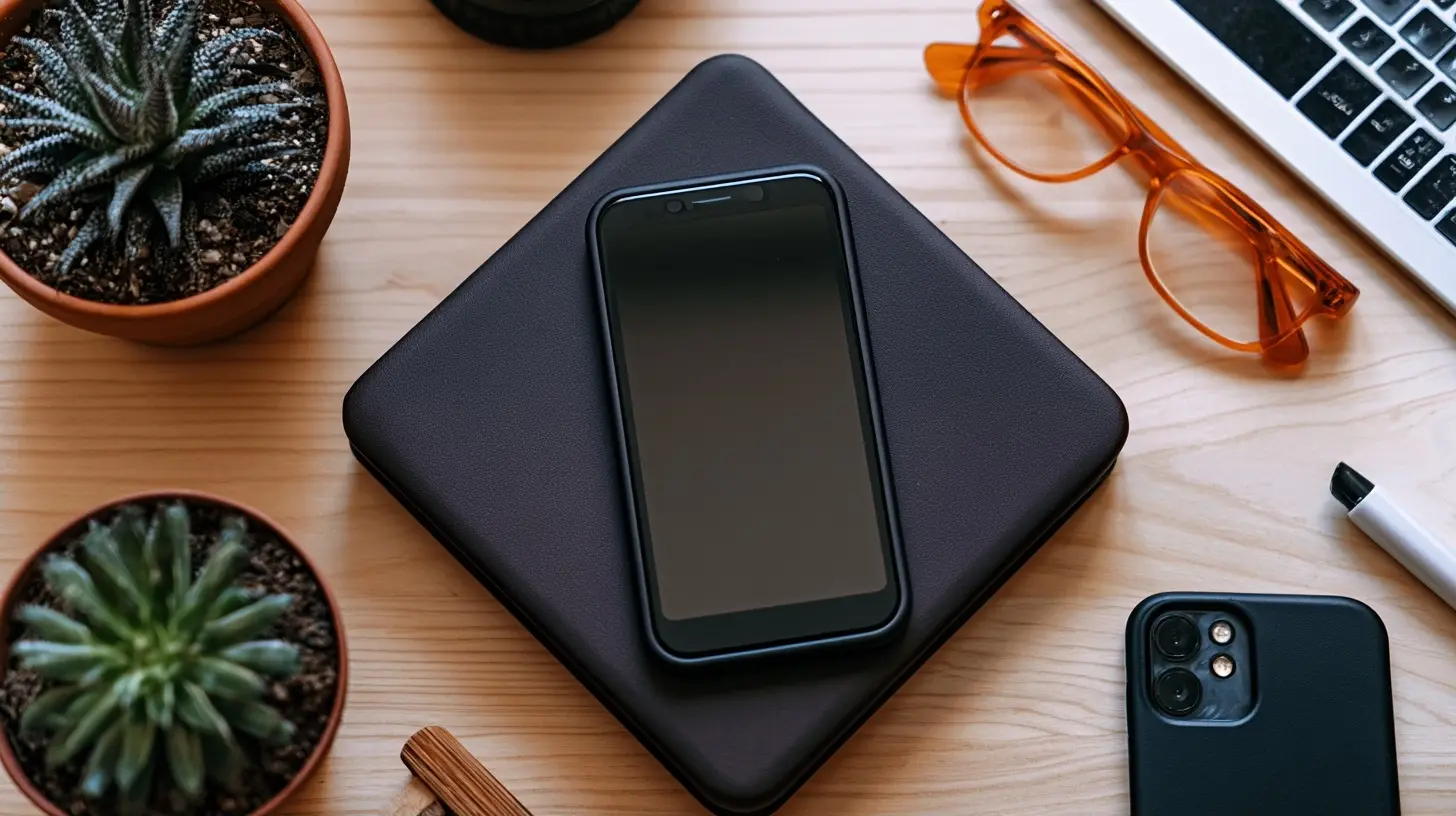
Two people, two starting points. One of us was a heavy user: social media, news apps, a dozen messaging threads, constant background audio. The other was a moderate user who mostly wanted to stop reaching for the phone during meals and conversations.We agreed on ground rules to keep the experiment honest:
- The minimalist device would be the primary phone for the full thirty days.
- The original smartphone would stay powered off in a drawer, not carried "just in case."
- Work communication would move to a laptop during working hours.
- We would log observations daily, briefly, without turning the log itself into another screen habit.
- We would allow a single deliberate exception: navigation for unfamiliar drives, handled by a dedicated GPS unit or a preloaded offline map.
That last rule matters more than it sounds. Navigation is the most common reason people abandon a minimalist phone within a week, and planning for it in advance removed the most predictable failure point.
Week One: The Withdrawal Is Real, and It Is Not What You Think
The first three days were dominated by phantom vibrations. A pocket buzz that was not there. A hand reaching for a phone that was not in its usual spot. The discomfort was physical before it was psychological, which surprised us.Here is the mechanism worth understanding: your phone habits are not really decisions. They are conditioned responses triggered by cues such as boredom, a pause in conversation, a red light, an elevator ride, the moment a task gets slightly hard. The phone is the reward. Remove the phone and the cue still fires, but the reward is gone. That mismatch is what feels like withdrawal. It is not that you miss the content. You miss the automatic resolution of discomfort.
By day four, something shifted. The reaching stopped being reflexive and started being noticeable. We would catch the hand moving toward a pocket and have a half-second to decide. That half-second is the entire point of the exercise. It is the gap between stimulus and response, and most of us have not experienced it in years.
The practical lesson from week one: do not judge a minimalist phone by the first seventy-two hours. The early misery is not evidence that the approach fails. It is evidence that the habit was stronger than you thought.
Week Two: The Quiet Gains Nobody Talks About
Around the second week, the benefits started showing up in places we did not anticipate.Attention stopped fragmenting
The biggest change was not free time. It was the texture of the time we already had. Without a feed to check, a task stayed a single task. Reading a report did not involve three micro-breaks. A conversation did not get interrupted by a glance at a screen. The work did not get faster, exactly, but it got calmer, and the quality of focus improved in a way that is hard to quantify but easy to feel.This is the core argument for minimalist phones, and it is stronger than the usual "screen time" framing. The problem with a smartphone is not the total minutes. It is the fragmentation of attention into ever-smaller slices. A device that cannot fragment your attention removes the fragmentation by design rather than by willpower.
Boredom became useful again
Boredom, it turns out, is not an empty state. It is where ideas get assembled. On a walk without a podcast or a feed, the mind wanders into the exact problems you have been avoiding, and sometimes it solves them. We both noticed more spontaneous thinking: half-formed plans, solutions to small work problems, memories worth following up on.This is not mysticism. It is simply what happens when you stop filling every gap with input. The minimalist phone did not create the ideas. It stopped crowding them out.
The social friction was mild, then vanished
We expected awkwardness: "Why is your phone so old?" "Can you check this link?" In practice, almost nobody cared. A few people were curious. A couple found it funny. The social cost of a simpler phone is far lower than most people fear, largely because other people are usually too absorbed in their own screens to notice yours.The one genuine friction point was group logistics. When a plan changed in a group chat, we were the last to know. The fix was simple: tell people to call or text for anything time-sensitive, and accept that you will occasionally be a step behind on casual chatter. That trade felt acceptable. For someone whose social life runs entirely through group chats, it might not.
Week Three: The Trade-Offs Get Sharp
By the third week the novelty had worn off and the real costs became visible. This is where most cheerful accounts of digital minimalism get vague, so let us be specific.Convenience is a real feature, not a trick
The smartphone is a remarkable tool. It collapses a camera, a map, a payment terminal, a transit pass, a boarding pass, a flashlight, a calculator, a library, and a phone into one pocketable object. Giving that up means reintroducing dozens of small frictions: printing things, carrying a separate camera, planning routes in advance, paying with a card that sometimes gets declined, asking strangers for directions.Each friction is small. Together they add up to a meaningful tax on daily life. The minimalist phone does not eliminate this tax. It trades it for a different benefit, and whether the trade is worth it depends entirely on which frictions you can absorb and which conveniences you actually rely on.
The emergency argument is mostly a myth, but not entirely
The most common objection to minimalist phones is safety: "What if there is an emergency?" In practice, a feature phone makes calls and sends texts, which covers the overwhelming majority of emergencies. What it does not cover is the long tail: the rideshare at midnight, the two-factor authentication code, the sudden need for a map in an unfamiliar city, the ability to look up a symptom at 2 a.m.The honest answer is that a minimalist phone is slightly less safe in edge cases and slightly safer in the aggregate, because you are less distracted while driving, walking, and parenting. The question is not whether edge cases exist. It is how often they occur in your life and whether you have a backup plan. Carrying a small power bank, keeping a spare smartphone in the glovebox for navigation, and telling one trusted person that you are reachable by call are all reasonable mitigations.
Two-factor authentication is the hidden landmine
This deserves its own warning because it derails more experiments than any other single issue. A huge share of online accounts now require a code sent by text or generated by an authenticator app. Text-based codes work fine on a feature phone. App-based authenticators usually do not, because there is no app store.Before you switch, audit your accounts. Move critical ones to text-based codes or hardware security keys, or keep a backup device that can run your authenticator. Skipping this step is the fastest way to get locked out of your own email, bank, or work systems at the worst possible moment.
Week Four: What We Kept and What We Dropped
The final week was about deciding what to carry forward. The results were not uniform, and that is the most useful finding.The heavy user: partial conversion
The heavy user did not go back to the original setup. Instead, they kept a minimalist launcher on the smartphone, deleted the social media apps entirely, turned off all non-essential notifications, and set the screen to grayscale. The phone is still capable, but it no longer invites mindless use. The result feels like most of the benefit of a dumbphone with almost none of the cost.This is the pragmatic path for most people, and it is worth stating plainly: you do not need special hardware to get most of the upside. You need to remove the things engineered to capture you and make the remaining tools slightly less pleasant to use idly.
The moderate user: full conversion
The moderate user kept the feature phone. For them, the trade-offs were acceptable because their phone use was already modest and their daily life did not depend on apps. The feature phone removed the last vestiges of reflexive checking, and the inconvenience was minor. They report better sleep, more reading, and fewer arguments about phones at the dinner table.The lesson: the right answer depends on your baseline. If your phone use is already low, a minimalist device is a cheap upgrade. If your phone is load-bearing for work or family logistics, software minimalism is usually the smarter first move.
The Misconceptions Worth Correcting
A few beliefs about minimalist phones did not survive contact with reality."It will fix your focus." It removes one source of distraction. It does not install discipline. If you have a laptop, a tablet, and a television, the distraction will find you. The phone is often just the most convenient outlet.
"It is a permanent lifestyle change." For most people it works better as a periodic reset: a week or a month every so often to break the habit, followed by a deliberate, curated setup. Treating it as a permanent identity invites failure and guilt.
"It is only for luddites." The people who get the most from minimalist phones tend to be heavy tech users who understand exactly how the attention economy works and want to opt out of the parts that do not serve them. This is a design decision, not a rejection of technology.
"Any dumbphone will do." The device matters less than the ecosystem around it. A phone without a usable map, a reliable keyboard, or text-based two-factor support will generate more friction than it removes. Choose the device around your actual constraints, not around nostalgia.
Practical Guidance If You Want to Try This
If the month taught us anything, it is that the experiment is worth running and that preparation determines the outcome. Here is what we would tell anyone considering it.Start with a software trial, not a purchase
Before buying hardware, spend two weeks with a minimalist launcher, notifications off, and social apps deleted. If you find the change unbearable, a feature phone will be worse. If you find it freeing, you have evidence that the hardware step is worth taking.Audit your dependencies first
List every account that uses two-factor authentication, every app that is genuinely load-bearing for work or family, and every service you rely on daily. Then decide which of those you can move to a laptop, a backup device, or an alternative method. This single step prevents most abandoned experiments.Plan for navigation and payments
These are the two conveniences people miss most. A dedicated GPS unit, offline maps on a backup device, or simply planning routes before you leave solves the first. Carrying a physical card and some cash solves the second. Neither is difficult, but both require thinking ahead.Set expectations with the people around you
Tell your close contacts that you are reachable by call and text, and that time-sensitive plans should not live only in a group chat. Most people will accommodate you. The ones who do not are telling you something useful about how they communicate.Decide your exit criteria in advance
Will you keep the device, return to the smartphone with a minimalist setup, or use the minimalist phone periodically? Deciding this before you start keeps the experiment honest and prevents the slow drift back to old habits that makes people feel like they failed.The Bottom Line
A month with a minimalist phone did not turn us into monks, and it did not prove that smartphones are evil. It proved something more useful: most of our phone use was automatic rather than intentional, and removing the automatic option was enough to reveal the difference. The heavy user kept the capability but removed the traps. The moderate user kept the simpler device. Both ended up more deliberate, which was the actual goal.If you are considering this, the smartest version is not a dramatic purge. It is a structured experiment with a clear purpose, a plan for the friction points, and an honest assessment at the end. The phone is a tool. The question is whether you are holding it or it is holding you. A month without the usual setup is a cheap way to find out.
all images in this post were generated using AI tools
Category:
Tech ReviewsAuthor:

John Peterson