Wearable Air Purifiers: Can They Really Improve Air Quality?
27 January 2026
You’ve probably seen them — those futuristic-looking devices hanging around someone’s neck or clipped onto their shirt. They're small, light, and claim to create a bubble of clean, breathable air around you. We're talking about wearable air purifiers. But the million-dollar question is, can they really improve air quality or are they just clever marketing?
In a world where air pollution is a growing concern — from city smog and wildfires to allergens and viruses — it's only natural we’d look for new ways to breathe healthier. But when something sounds too good to be true, well… you know the saying. So, let's dig into the facts, separate hype from reality, and find out whether these pocket-sized gadgets can really clean up the air around us.
What Are Wearable Air Purifiers, Anyway?
Alright, let’s start with the basics.Wearable air purifiers are portable devices you wear on your body — usually around your neck like a fancy necklace or clipped to a bag or shirt. They’re typically powered by a small rechargeable battery and claim to purify the air in your immediate vicinity.
Most of them work by using ionization technology. In simple terms, the device releases negatively charged ions (anions) into the air. These ions latch onto airborne particles like pollen, dust, smoke, or viruses, causing them to clump together and fall to the ground — away from your precious lungs.
Some high-end models combine ionizers with micro-filters or even mini HEPA systems, though the size constraints make this a bit tricky. The idea is to create a small "clean air zone" around your breathing space. Sounds great on paper, right?
Why Is Clean Air So Important?
Let’s pump the brakes for a second and talk about why air quality matters.You inhale about 11,000 liters of air every single day. That’s a lot of exposure. If your air is filled with pollutants, allergens, or microbes, it’s going to mess with your health — both short-term and long-term.
Here’s what bad air can do:
- Trigger asthma or allergies
- Cause respiratory infections
- Increase fatigue and headaches
- Lead to long-term chronic diseases like heart issues and lung cancer
And let’s not forget the invisible villains — PM2.5 particles. These are super tiny particles (2.5 micrometers or smaller) that penetrate deep into your lungs and even enter your bloodstream. They’re found in car exhaust, cigarette smoke, industrial emissions, and even cooking fumes.
So when someone says “clean air is life,” they’re not being dramatic.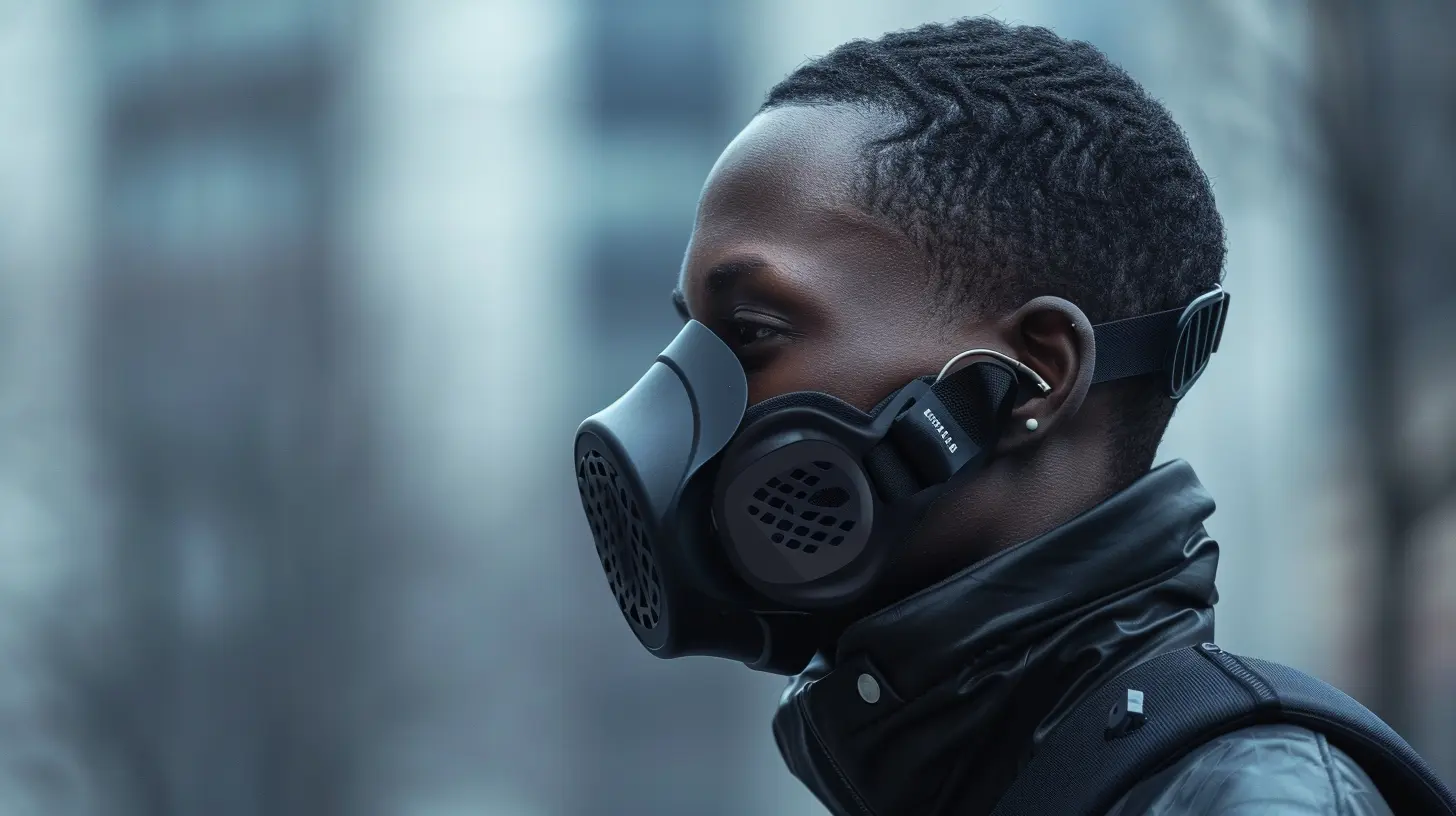
Do Wearable Air Purifiers Actually Work?
Here comes the big question — do these things actually do what they claim?The answer is… kind of, but with a few caveats.
✅ What They Do Well:
- Reduce some particulate matter: Ionizers can reduce pollutants like smoke, pollen, or dust in close proximity.- Personal space advantage: Unlike room purifiers, these are designed to protect you in public settings — think crowded busses, trains, or walking through heavily polluted streets.
- Silent and portable: No noisy fans or heavy equipment.
❌ Where They Fall Short:
- Questionable radius: Most wearable purifiers can cleanse air in a space of about 1 foot around your face. Breathing in clean air really depends on staying within this "bubble."- Limited against gases and chemicals: These devices usually don’t filter gaseous pollutants like CO2, nitrogen dioxide, or VOCs (volatile organic compounds).
- Mixed scientific evidence: Some studies suggest ionizers can reduce airborne viruses and particulate matter, but results vary widely depending on the environment and device quality.
- No replacement for masks or HEPA filters: During a wildfire or pandemic, a wearable purifier alone won't shield you like a proper mask or room purifier.
So while they can improve air quality in your immediate space, they won’t create a force field — at least not yet.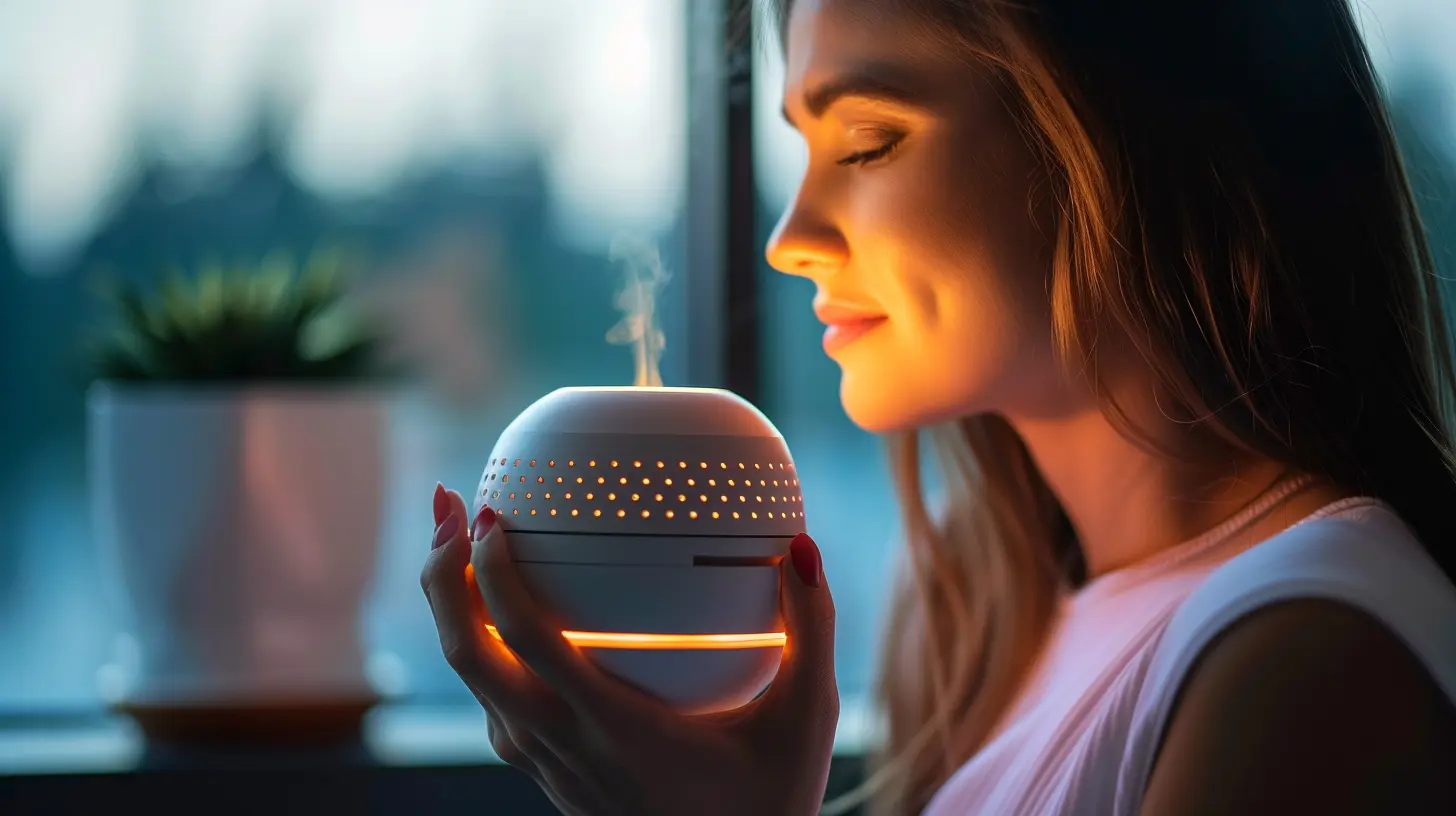
When Are Wearable Air Purifiers Most Useful?
Let’s face it: some situations call for an extra line of defense.Here are some real-life scenarios where a wearable air purifier could be your ally:
🏙️ City Commuters
If you live in a big city and spend an hour a day hopping between subways or walking through heavy traffic, a wearable purifier might help reduce your exposure to pollutants. Combine it with a mask, and you’ll double up on protection.🧑💻 Office Workers
Open-plan offices with poor ventilation can be breeding grounds for allergens and viruses. A wearable purifier may help keep your breathing zone a bit more isolated and clean.🌲 Allergy Sufferers
If you’ve ever cursed spring pollen while sneezing your way through April, then you know how brutal seasonal allergies can be. A wearable purifier can potentially help reduce pollen near your face, offering some relief.✈️ Frequent Flyers
Planes, airports, crowded terminals — you can’t control the air quality in these places. Wearing a personal purifier while traveling can give you some peace of mind in high-density areas.Let’s Talk Tech: How Do These Devices Actually Work?
As we mentioned earlier, most wearable air purifiers work using ionization, which is cool and all but a bit abstract. Let’s break it down.🌬️ Negative Ion Emission
These devices generate negative ions and release them into the air. Negative ions stick to positively charged particles like dust, smoke, or bacteria. When they bond, they become too heavy to float and fall out of the air.It’s kind of like throwing a sticky net over flying bugs — they can’t keep floating freely.
Some devices also claim to generate plasma or ozone, although ozone-generating devices are controversial due to potential respiratory dangers.
🔋 Battery Life
Most wearable purifiers have a battery life ranging from 6 to 20 hours, depending on the model. They’re USB-rechargeable and designed for on-the-go use.🤖 Smart Features
High-end devices may include:- LED indicators for ion emission
- Air quality sensors (though rare)
- Adjustable ion intensity
- Auto shut-off features
Are There Any Health Risks?
This is an important question — especially if you’re going to hang the thing an inch from your face.The main concern comes from ozone emission. Some ionizers generate small amounts of ozone as a byproduct. While ozone high up in the atmosphere protects us, ozone at ground level is a lung irritant.
Too much exposure can:
- Aggravate asthma
- Cause coughing or throat irritation
- Lead to long-term respiratory issues
That said, most wearable purifiers emit ozone levels within safe limits. Still, it’s smart to look for certified ozone-free models or those tested for safety by reputable labs.
Choosing the Right Wearable Purifier: What to Look For
Okay, so you’re considering buying one. Great! But with dozens of models out there, how do you know which one’s legit?Here’s a quick checklist:
✅ Ion Output
Check for a high but safe level of negative ion production — generally between 1 million to 20 million ions/cm³ is effective.✅ Ozone Rating
Make sure the device is compliant with safety standards (California Air Resources Board or UL certified). Look for “ozone-free” models if you're sensitive.✅ Battery Life
Look for at least 8 hours of battery life for full-day protection.✅ Portability
Choose something lightweight and comfortable. Trust us, if it's bulky or awkward, you’ll stop using it real quick.✅ Real Reviews
Don’t just go by marketing claims. Read user reviews — especially those from people who use them in similar environments as yours.The Verdict: Are They Worth It?
Wearable air purifiers are not miracle devices. But they’re not total gimmicks either.Think of them like a helpful sidekick — they support better breathing in crowded or polluted spaces, but they’re not superheroes who can fight smog and viruses all on their own.
If you’re someone who commutes daily through polluted areas, has allergies, or wants extra peace of mind on flights or transit, a well-reviewed wearable purifier might be a solid investment. Just pair it with common sense — like avoiding high-pollution zones and wearing a mask when needed.
At the end of the day, your lungs deserve all the help they can get.
Final Thoughts: Breathing Easier, One Step at a Time
Technology continues to find smarter ways to help us stay healthy in a not-so-clean world. Wearable air purifiers are part of that evolution. While they won’t magically clean every breath you take, they offer a slice of personal protection that just might make a difference — especially in today’s unpredictable air quality landscape.As with any health-related gadget, your results may vary. But if it helps you breathe a little easier through a smoggy commute, allergy season, or a crowded terminal, isn’t that a breath of fresh air?
all images in this post were generated using AI tools
Category:
Wearable TechAuthor:

John Peterson
Discussion
rate this article
2 comments
Fatima McGeehan
Fascinating topic! I’m curious how wearable air purifiers can filter pollutants effectively in real-time. Do they truly make a noticeable difference in air quality?
March 7, 2026 at 3:43 AM
John Peterson
Thanks for your interest! Wearable air purifiers can reduce pollutants around you by using filters and ionization. While they may not completely eliminate all particles, many users report a noticeable improvement in their personal air quality.
Mae Turner
Imagine strutting down the street, sporting a mini air oasis around your neck! Wearable air purifiers could be the latest fashion statement for health enthusiasts. Who knew fresh air could come with such stylish flair? Breathe easy, fashionably!
January 29, 2026 at 6:01 AM
John Peterson
Absolutely! Wearable air purifiers could blend health and style, making clean air accessible and trendy for everyone.