Wearable Tech and the Internet of Things: A Seamless Connection
3 December 2025
Welcome to the future — where your wrist talks to your fridge, your shoes track your every move (literally), and your shirt might just send your vitals to your doctor before you even sneeze. Sounds like science fiction? Nope. That’s just Tuesday in the dazzling world of wearable tech and the Internet of Things (IoT).
So grab your smart glasses (or at least your regular ones), sit back, and let’s take a wild, fun, and informative ride through how wearables and IoT are clicking together like peanut butter and jelly… except with more sensors and maybe fewer calories.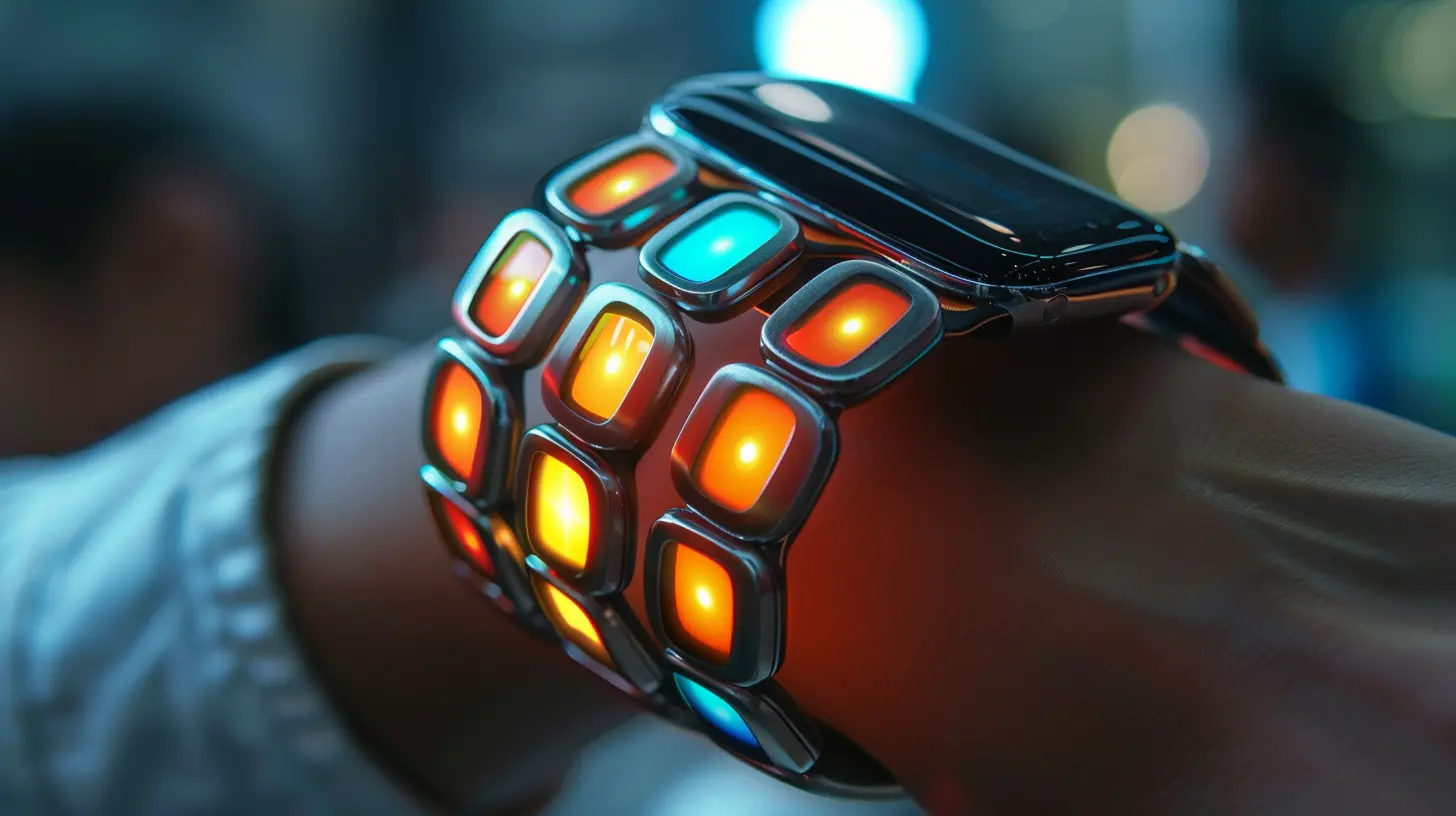
What on Earth Is IoT and Why Is It Friends With Wearables?
Before we dive into the who, what, and why-is-this-thing-buzzing-on-my-wrist, let’s break this thing down.The Internet of Things, or IoT, is like the ultimate long-distance relationship network — it connects devices to each other via the internet. Lights, coffee makers, thermostats, toasters (yes, toasters!) … all chatting away, sending data back and forth like old pals.
Now throw wearables into the mix — these are gadgets you wear (surprise!) that monitor, track, beep, and basically become your overly helpful personal assistant. From smartwatches and fitness bands to smart shoes and even smart bras (yes, really), wearable tech is the shining star of the IoT show.
So what happens when these two get together? Magic. That’s what.
The Dynamic Duo: How Wearables & IoT Work Together
Imagine your smartwatch detects that you’re stressed (because your boss just scheduled a Zoom call at 4:59 PM). It pings your smart thermostat to cool the room down, your smart light to dim to a calming lavender hue, and your smart speaker to play that chill playlist with ocean sounds. Voilà — a mini vacation without leaving your desk.That’s IoT and wearables working in seamless harmony — sensing, sharing, and simplifying.
This connected ecosystem creates real-time feedback loops. Your wearables collect data, like heart rate, step count, and sleep patterns. The IoT system then interprets this info, takes action, and even predicts future needs. It’s like your tech is finally getting to know the real you. (Take that, online dating algorithms!)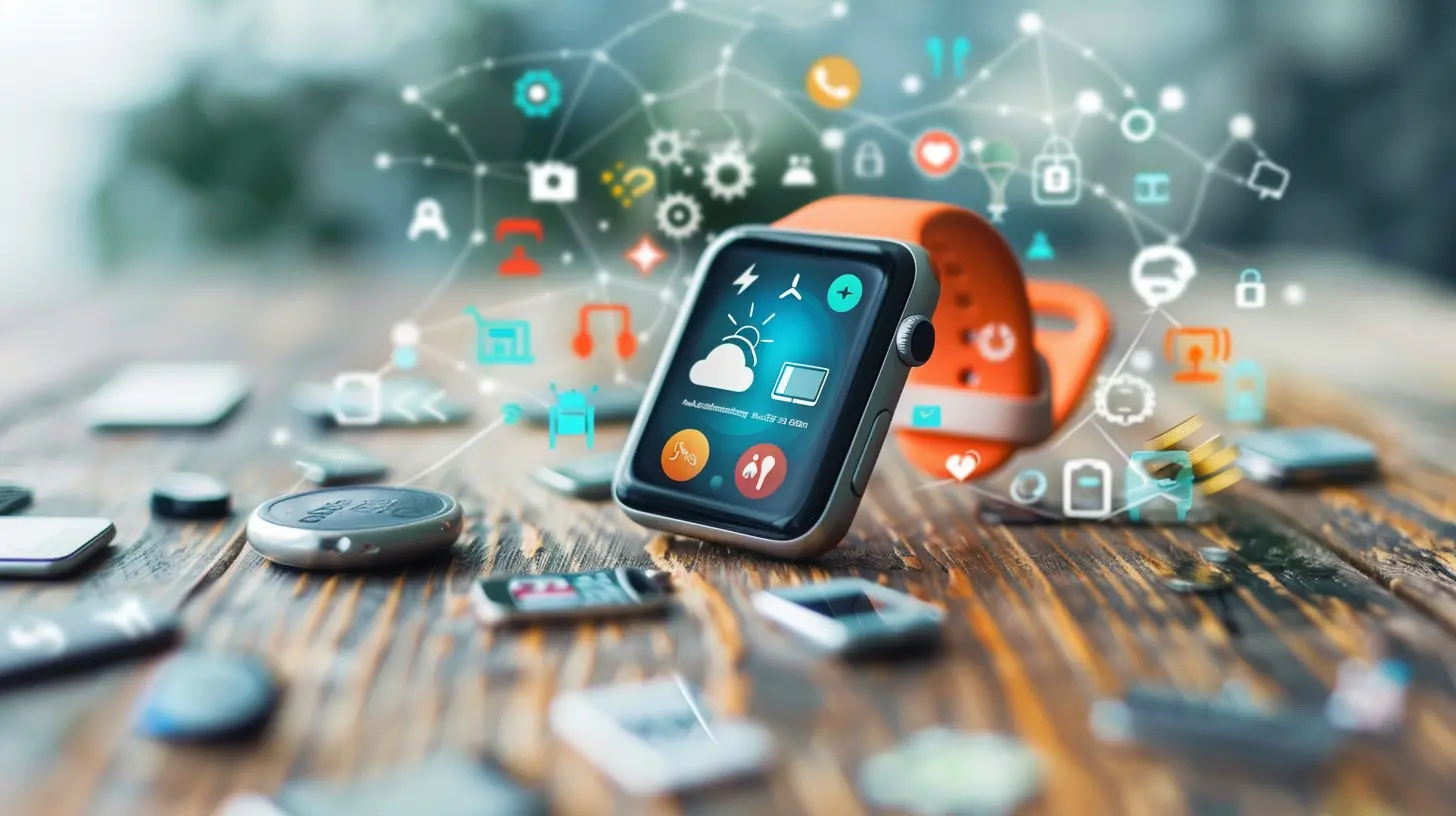
Wearables Galore: The Smartest Accessories in the Room
Let’s take a stroll (tracked by your fitness band, of course) through the smart accessory aisle, shall we?1. Smartwatches – Your Mini Sidekick
Chances are, you or someone you know is wearing one of these flashy little wrist-huggers. They tell time, sure. But they also:- Track steps
- Measure heart rate
- Send texts
- Take calls
- Tell you when to breathe (because apparently we forget?)
With IoT integration, they do even more. Your smartwatch might unlock your front door as you approach, turn on your favorite lighting scene, or remind you that you've been sitting for too long (rude but true).
2. Fitness Trackers – Your Personal Drill Sergeant
These guys are like that friend who always drags you to the gym, except they live on your wrist and don’t judge your snack habits (okay, maybe they do…passively).Thanks to IoT, they can:
- Sync with smart scales and smart fridges (yes, again with the fridge)
- Share data with health apps and professionals
- Adjust workout routines based on sleep and stress levels
It’s like having a personal trainer, wellness coach, and nutritionist in your pocket–minus the awkward small talk.
3. Smart Glasses – The Not-so-Distant Cousin of Sci-Fi
Think Google Glass or Ray-Ban Stories. These shades aren’t just for hiding from the sun — they’ve got cameras, AR features, and voice control.Pair that with IoT, and suddenly you can:
- View real-time GPS directions directly in your line of sight
- Translate languages on the fly
- Control smart home devices with a glance or a blink
Soon, you’ll look like a secret agent just by ordering a pizza hands-free.
4. Wearable Medical Devices – The Ones That Really Matter
Okay, jokes aside, this is where things get serious (but still cool).Devices like continuous glucose monitors (CGMs), smart hearing aids, or wearable ECG monitors save lives. Hook them up to the Internet of Things and they can:
- Alert emergency contacts in real time
- Auto-sync patient data to physicians
- Predict health issues using AI analytics
So yeah, wearable tech isn’t just about tracking if you stood up today — it’s revolutionizing healthcare. And let’s be honest, that deserves a standing ovation.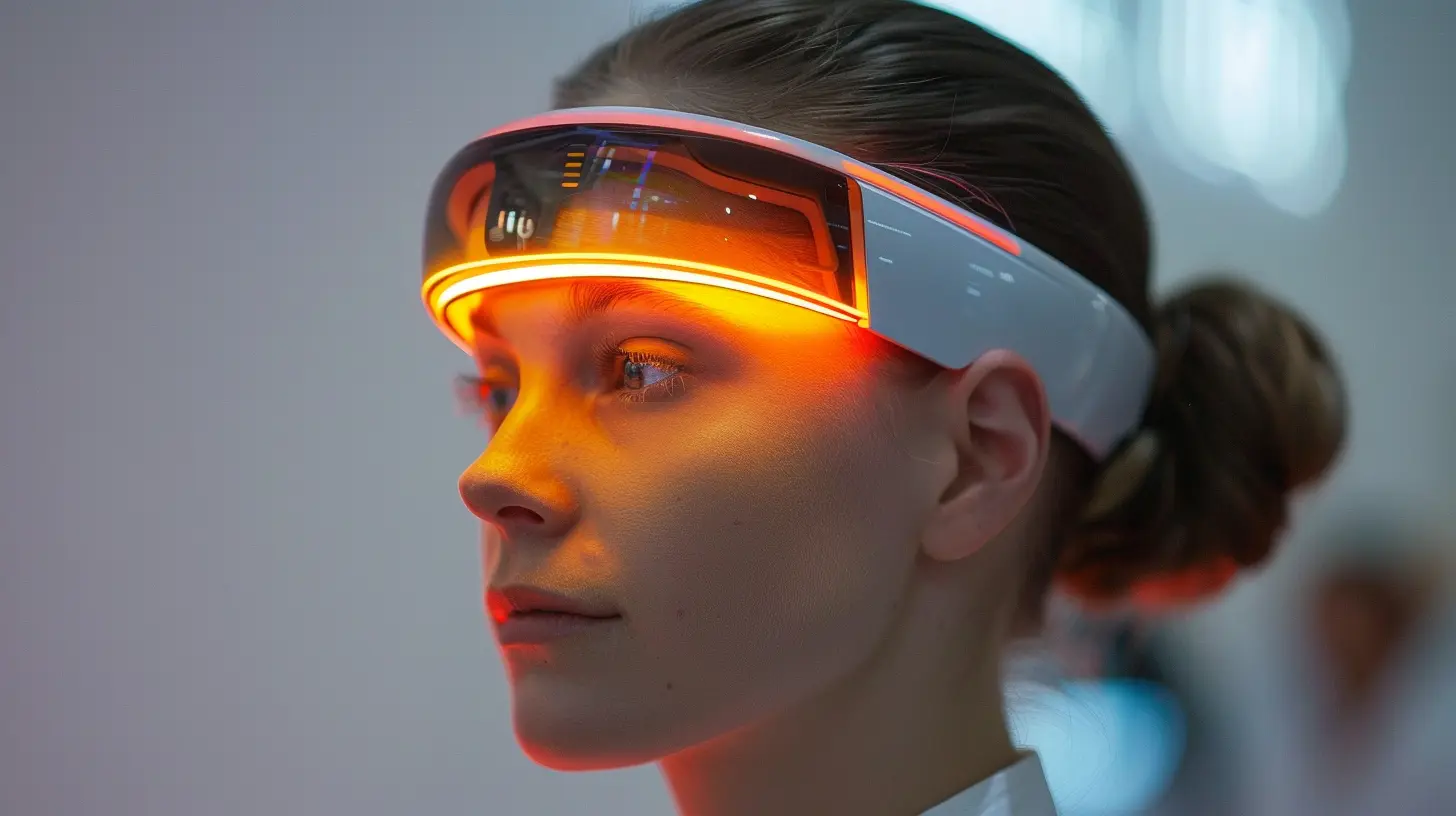
IoT + AI + Wearables = The Tech Trifecta
What do you get when you combine artificial intelligence (AI), the Internet of Things, and wearable tech? A big ol’ pot of futuristic functionality.AI gives wearables smart brains. Instead of just collecting data (boring), they now analyze and respond to it (cool). For example:
- Your wearable can detect irregular heart rhythms and recommend a cardiologist
- It can analyze your voice for early signs of mental health issues
- Your smart ring can know you're tired before you do and suggest recovery routines
Basically, your gadgets are becoming too smart. Don’t be surprised if your shoes start giving you life advice.
But Wait… Isn’t This All a Bit Creepy?
Okay, let’s address the elephant in the (smart) room — privacy.When your watch knows your heart rate, your sleep habits, and maybe even what time you sneak cookies from the cupboard… that’s a lot of personal data.
Many IoT devices are always listening or watching. Combine that with wearables, and it’s a privacy minefield if not handled right. Companies need to:
- Use strong encryption (no, not just “password123” level security)
- Be transparent about data usage
- Allow users to control the flow of their own data
So yeah, while your gadgets may feel like BFFs, always double-check what permissions you’re granting. You wouldn’t let a stranger scroll through your diary, would you?
Real-Life Shenanigans: Wearables in Action
Let’s look at how this wearable + IoT combo is jazz-handing its way into real life.Business & Productivity
- Smart badges track employee movement and help optimize office layouts (sneaky, but effective).- Wearables monitor employee fatigue in high-risk jobs like construction or truck driving.
Sports & Fitness
- NFL players wear GPS-enabled shoulder pads to track movement and prevent injuries. Football meets Fitbit!- Olympic athletes use biometric wearables for hyper-customized training routines.
Smart Homes
- Your wearable notes you're waking up and tells your coffee machine to start brewing. (Heaven.)- You jog past your house and your smart lock unlocks before you even touch the handle. (Witchcraft.)
Travel & Entertainment
- Airlines test smart uniforms for flight attendants that measure temperature and stress.- Theme parks give guests wearables that create personalized ride experiences.
The line between science fiction and reality is getting blurrier than your screen after a sneeze.
The Future Is Dressed to Impress
What’s next, you ask? If current trends are anything to go by, we might be headed for:- Smart tattoos: Yes, temporary electronic tattoos that monitor health vitals. You’ll literally wear your heart on your sleeve.
- Clothing with built-in sensors: Yoga pants that correct your posture? Yes, please.
- Implantables: Because why wear it when you can be it?
The idea is to make technology invisible, seamless, and intuitive — until it feels like second skin. Or maybe first skin. (Okay, now I’m creeping myself out.)
Final Thoughts: More Than Just Fancy Gadgets
At the end of the day, wearable tech and the Internet of Things aren’t just about getting you to 10,000 steps or changing your lightbulbs to ‘moody blue.’ It’s about creating connected lives — where information flows effortlessly between you and your environment to improve your health, productivity, and maybe even your mood.When done right, it’s not just tech. It’s tech-nificent.
So the next time your smartwatch vibrates to remind you to drink water, give it a little nod of appreciation. It’s not just being annoying. It’s being part of a global data dance party you didn’t even know you joined.
And with wearables and IoT syncing up smoother than your Spotify playlist, one thing is clear — the future is not only wearable, it’s downright wearable chic.
all images in this post were generated using AI tools
Category:
Wearable TechAuthor:

John Peterson
Discussion
rate this article
2 comments
Niko McCartney
This article brilliantly highlights the growing synergy between wearable tech and the Internet of Things. It showcases how these innovations enhance daily life by promoting connectivity and efficiency, paving the way for a smarter, more integrated future.
December 18, 2025 at 1:04 PM
John Peterson
Thank you for your insightful comment! I'm glad you found the article emphasizes the transformative potential of wearable tech and IoT in our daily lives.
Elidi Cannon
Finally, the day when my smartwatch and fridge can gossip about my snacking habits is here! Who knew that our devices could bond over my late-night ice cream runs? With this seamless connection, I’m just one step closer to becoming a fully connected couch potato!
December 7, 2025 at 1:24 PM
John Peterson
Haha, it's a humorous take on the future of tech! Embracing the convenience of connected devices can certainly make snacking more entertaining, even if it nudges us toward couch potato status!