What Makes Bone-Conduction Headphones Different?
1 July 2026
Let’s be real—headphones have come a long way. We started with those clunky over-ear dinosaurs, moved on to sleek earbuds, and now we have something straight-up futuristic: bone-conduction headphones. Yeah, they sound like something out of a sci-fi movie, but they’re very real and pretty darn cool.
If you’ve ever wondered why people are strapping these space-age audio devices to their skulls, this article’s for you. Let’s break down what makes bone-conduction headphones stand out in the crowded world of audio tech. 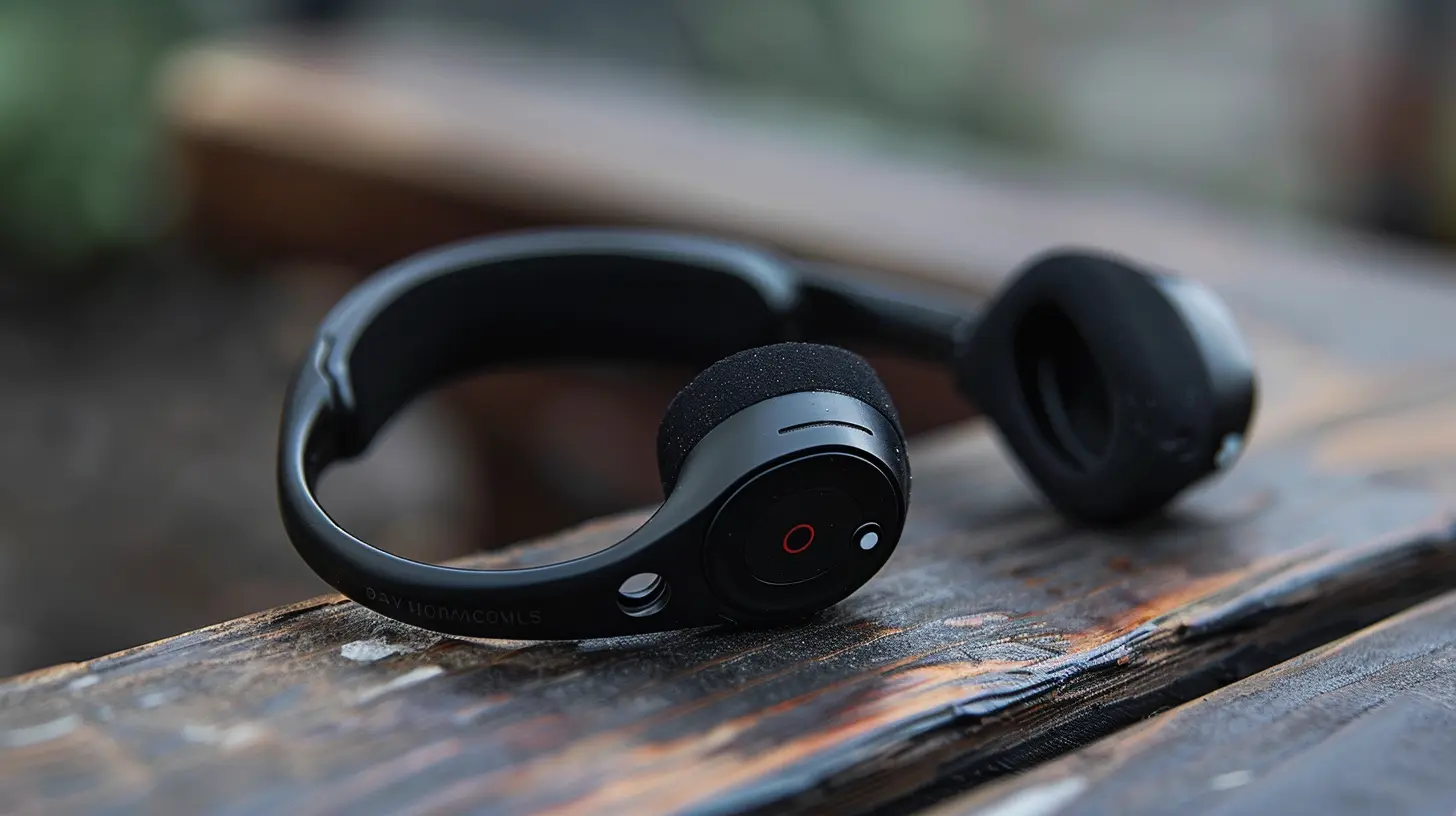
? What Are Bone-Conduction Headphones, Anyway?
You know how regular headphones work—stick them in or on your ears, and they blast sound through your ear canal. Simple, right? Well, bone-conduction headphones don’t play by those rules.Instead of sending sound waves through the air into your ear, these bad boys vibrate through your cheekbones, delivering sound directly to your inner ear. That means your eardrums aren’t even part of the equation. It’s like bypassing the front door and sneaking in through the side window—same destination, different route. 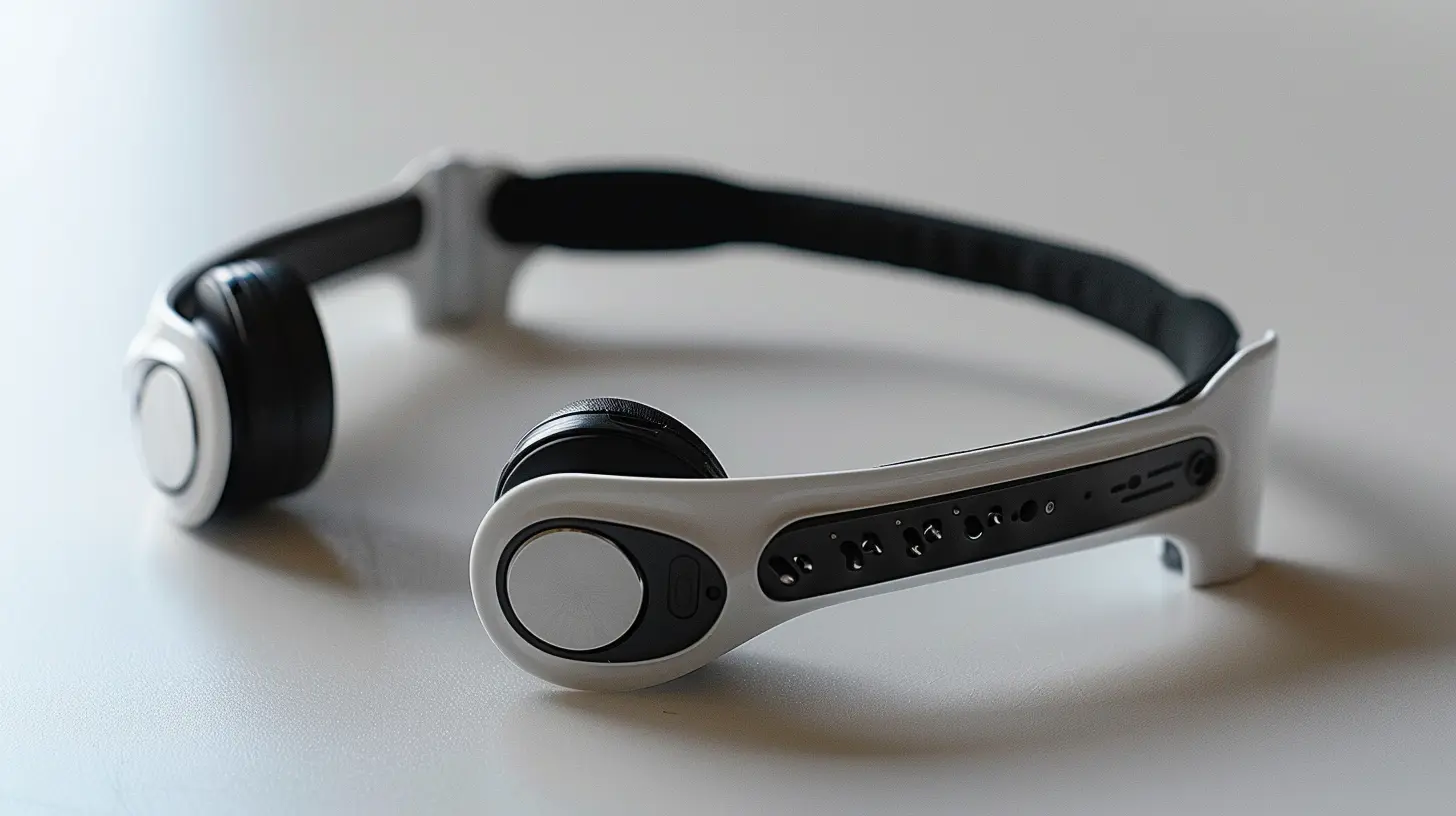
? How Do Bone-Conduction Headphones Work?
Alright, let’s get a little nerdy for a second. The technology behind bone conduction isn’t new—it’s the same concept that allows you to hear your own voice inside your head when you talk.Here’s how it works:
1. Vibration Transmission – Instead of producing sound the traditional way, bone-conduction headphones use transducers to create tiny vibrations.
2. Skipping the Eardrum – These vibrations bypass the eardrum entirely and travel through the bones in your face (usually the jaw and cheekbones).
3. Inner Ear Magic – The vibrations hit your cochlea (the part of your ear responsible for processing sound), and your brain does the rest, interpreting those vibrations as sound.
It’s the same principle behind hearing aids and military-grade communication devices. Pretty awesome, right? 
? Bone-Conduction Headphones vs. Traditional Headphones
So, what’s the actual difference between bone-conduction headphones and regular ones? Let’s do a side-by-side breakdown:| Feature | Bone-Conduction Headphones | Traditional Headphones |
|---------|------------------------|------------------|
| Sound Transmission | Vibrations through bones | Sound waves through air |
| Eardrum Usage | No (bypasses the eardrum) | Yes (relies on eardrums) |
| Situational Awareness | High (ears remain open) | Low (ears are covered/plugged) |
| Comfort for Long Wear | High (no ear pressure) | Can cause ear fatigue |
| Best For | Outdoor activities, hearing-impaired users, situational awareness | Immersive sound, noise isolation |
Clearly, bone-conduction headphones bring some unique perks to the table. But are they actually better? Well, that depends on what you’re looking for. 
?♀️ Who Should Use Bone-Conduction Headphones?
Not sure if these are for you? Let’s break it down.? 1. People Who Need Situational Awareness
Runners, cyclists, and walkers—this one’s for you. Not being able to hear what’s happening around you (cars, people, life-threatening hazards) while blasting your favorite playlist is a recipe for disaster. Bone-conduction headphones let you rock out while keeping your ears open, making outdoor activities a whole lot safer.?♂️ 2. People with Hearing Loss
If you have conductive hearing loss (meaning your eardrums don’t work as they should), bone-conduction headphones can be a game-changer. Since they bypass the eardrum completely, they offer an alternative way to experience sound.? 3. Gamers & Office Workers
Ever been on a Zoom call and needed to listen to your coworkers while also keeping an ear out for your boss sneaking up behind you? Bone-conduction headphones let you stay plugged in without tuning the world out.?♂️ 4. Swimmers & Athletes
Some bone-conduction headphones are waterproof, making them perfect for swimmers. Try doing that with AirPods and see how fast they end up in the trash.? Downsides of Bone-Conduction Headphones
Alright, bone conduction sounds cool, but it’s not all sunshine and rainbows. There are some downsides too.? 1. Sound Quality Isn’t Audiophile-Level
Let’s be honest—if you’re obsessed with deep bass and crystal-clear highs, these might not hit the mark. Because they rely on vibrations instead of traditional speaker drivers, the sound just isn’t as rich as high-end headphones.? 2. They Leak Sound
Since they don’t seal inside or over your ears, some sound leakage happens. That means if you’re blasting music at full volume, people around you might hear it. Not ideal if you’re trying to keep your Metallica obsession a secret.? 3. Might Feel Weird at First
If you’re used to in-ear or over-ear headphones, the sensation of vibrations on your cheekbones can feel odd at first. It’s not uncomfortable, but it definitely takes some getting used to.?️ What to Look for When Buying Bone-Conduction Headphones
So, you’re thinking about getting a pair? Here are some key things to consider before you throw your money at them:? 1. Battery Life
Some models last 4-6 hours, while others can go up to 10+ hours. If you’re using them for workouts, a shorter battery might be fine. For all-day wear? You’ll want something with a bit more stamina.? 2. Water & Sweat Resistance
If you’re planning to use them while working out or swimming, you need to check the IP rating (water resistance level). IP67 or higher is great for sweat and rain, while IP68+ means they’re good for swimming.? 3. Built-In Mic
Taking calls on the go? Make sure your bone-conduction headphones have a decent microphone for clear communication.? 4. Sound Quality
Some models sound better than others, so check reviews (or better yet, try them before buying). Brands like Shokz (formerly AfterShokz) tend to have the best sound in the bone-conduction world.? 5. Bluetooth Connectivity
Most bone-conduction headphones use Bluetooth, but not all Bluetooth versions are made equal. Bluetooth 5.0 or higher ensures better stability and range.? Are Bone-Conduction Headphones Worth It?
Final verdict? It depends on what you need.If you’re into immersive, high-fidelity sound, traditional headphones are probably the better choice. But if you want situational awareness, comfort, and a unique listening experience, bone-conduction headphones might just change the way you listen to music.
They’re not for everyone, but for the right user, they’re absolutely revolutionary.
So, what do you think? Ready to strap some tech to your skull and enter the future of audio?
all images in this post were generated using AI tools
Category:
HeadphonesAuthor:

John Peterson
Discussion
rate this article
1 comments
Gavin McAuley
Great insights on bone-conduction headphones. It's fascinating how this technology allows sound to bypass the eardrums and deliver audio directly to the inner ear. The potential benefits for those with hearing impairments and the comfort during physical activities are impressive. Looking forward to seeing how this tech evolves.
July 4, 2026 at 3:20 AM
John Peterson
Thanks for your thoughtful comment! I'm glad you found the insights valuable. The evolution of this technology is definitely exciting, especially for those who can benefit from it.