What to Consider When Buying Headphones for Kids
11 February 2026
If you're a parent, guardian, or even a tech-loving relative, picking the right pair of headphones for a child can feel like navigating a maze with no map. You want something safe, comfortable, stylish (because let’s face it, kids have opinions), and durable enough to survive the daily chaos. Oh, and it has to sound good too—because a kiddo watching their favorite cartoon or listening to their favorite tunes deserves great sound just like grown-ups do.
So how do you separate the good from the potentially damaging? Or tell the difference between a marketing gimmick and a genuinely kid-friendly feature? Glad you asked. Let’s break it all down together.
Why Specialized Headphones for Kids Matter
You might be thinking, “Why not just give them a spare set of adult headphones?” Tempting, sure. But here’s the deal—kids’ ears are more sensitive than ours. Just like how we wouldn’t hand them an adult-size bike or a smartphone with no restrictions, it makes sense to consider headphones made specifically for them.Kid-specific headphones are designed with safety, size, and usability in mind. They're smaller to fit little heads properly, limit the volume to protect hearing, and are often built to be a lot more “oops-friendly.”
1. Volume Limiting – Protecting Little Ears
This is the biggest ticket item. The World Health Organization recommends that kids listen to audio at no more than 85 decibels (dB) for no longer than 8 hours a day. Many kid-friendly headphones include volume limiters that cap the sound at safe levels—typically 85 dB.But here’s the kicker: not all limiters are created equal. Some headphones claim to limit volume but fail when connected to certain devices like high-powered tablets or external amps. So always check real user reviews or trusted testing sources.
👉 Pro Tip: Look out for models that have independent volume-limiting circuitry or dual settings (like 85 dB and 94 dB). That way, you get control when needed without sacrificing quality.
2. Fit and Comfort – Because Wiggle Room Matters
Let’s be honest—if they’re not comfy, your kid won’t wear them, no matter how “cool” they look. Children have different head sizes and ear shapes than adults. That means adult headphones can be too wide, heavy, or just awkward.Go for:
- Adjustable headbands so the headphones grow with them.
- Soft-padded ear cups to prevent irritation.
- Lightweight design to reduce strain during long listening sessions or travel.
Also, consider the type: Over-ear models tend to offer better sound isolation and comfort, while on-ear or in-ear ones are more portable but may be less snug and more likely to fall out.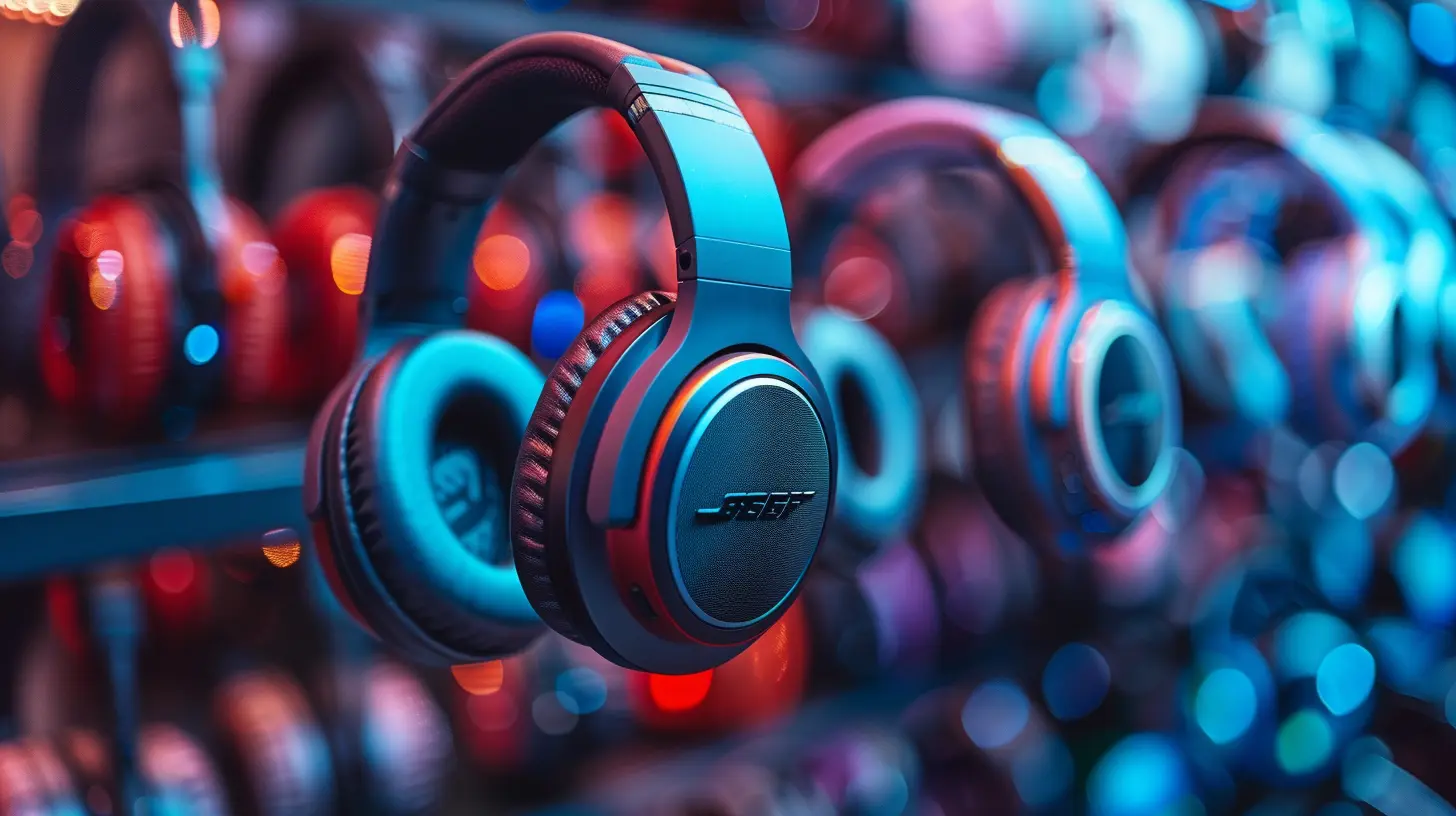
3. Wired vs Wireless – Which One’s Better for Kids?
Now, this one's a bit of a toss-up and depends on your child’s age and use case.Wired Headphones:
- Pros: No need to worry about charging or connectivity issues.- Cons: Cables can tangle, break, or pose a safety risk for younger children.
Wireless Headphones:
- Pros: No tangling cords, better freedom of movement.- Cons: They need regular charging and might have Bluetooth pairing issues.
For toddlers or preschoolers, you might want to avoid Bluetooth to limit RF exposure (even if minimal) and simply to keep things simple. For older kids who are a bit more tech-savvy, Bluetooth makes more sense—especially if they’re using devices like tablets or Chromebooks.
4. Durability – Built to Survive Chaos
If there’s one universal truth about kids, it’s that they can destroy even the sturdiest of tech without trying that hard. That’s why durability is not a “nice-to-have”—it’s a must.Look for headphones made from flexible materials like rubber or reinforced plastic. Some models even offer tangle-free cords, breakaway wires (big win for safety!), and reinforced hinges to prevent snapping.
Also, bonus points for water resistance or at least a design that can survive a juice-box tsunami.
5. Sound Quality – Don’t Underestimate Young Ears
Just because it’s made for kids doesn't mean it should sound like trash. Children can appreciate crisp, clear audio just as much as adults—especially as they grow older.Great sound quality:
- Makes educational content easier to understand.
- Enhances enjoyment from music, audiobooks, or videos.
- Reduces the temptation to crank up the volume, which kind of defeats the purpose of volume limiting.
Stick with brands that offer decent audio balance and clarity—even in budget kids' headphones. You don’t need studio-grade sound, but a muddy or tinny audio profile can ruin the experience.
6. Noise Isolation or Active Noise Cancellation?
Here's where parents get a little divided. Some headphones for kids come with passive noise isolation (thanks to cushioned ear cups), while premium models offer Active Noise Cancellation (ANC).Passive Noise Isolation:
- Safer for younger kids because they still hear ambient sound (like your voice).- Great for less noisy environments or home use.
Active Noise Cancellation:
- Better suited for travel (think crying babies on planes).- Good for teens who need concentration (like during schoolwork).
But be cautious—ANC can make kids unaware of their surroundings, which could be a risk in public areas or while walking outside.
7. Built-In Microphones – A Must for Online Learning
In the post-pandemic world, online learning is far from rare. A built-in mic, preferably with noise reduction, is super useful—not just for school but also for Zoom calls with grandma or karaoke apps.Try to pick a pair with:
- An inline mic on wired sets or
- A beamforming mic on newer wireless models for clearer voice pickup.
If the headphones double as a headset for school and fun, you're getting way more bang for your buck.
8. Fun Factor – Style and Personalization
OK, let's not pretend kids don't care about looks. Whether it's their favorite color, a superhero theme, or cat ears that light up, aesthetics matter—big time.Let them pick! Involving your kid in the decision can make them take better care of their gear (or at least reduce the whining).
Bonus: Some headphones come with customizable stickers or removable covers. It's all about turning tech into something that feels personal.
9. Battery Life – Especially for Wireless Models
If you're leaning toward wireless, battery life becomes a dealbreaker. Nobody wants to deal with meltdown mode because the headphones died in the middle of “Frozen.”Look for at least:
- 10–20 hours of battery life on a single charge.
- USB-C charging for faster, more universal recharging.
- Or even better, models that support wired fallback when the battery dies.
Some even offer auto shutoff features to save power—a real lifesaver.
10. Price and Warranty – Spend Smart, Not Just Big
You don’t need to break the bank, but don’t go too cheap either. Low-end headphones can skimp on safety and sound. You can typically find solid, feature-packed models between $25 and $60.Also, check the warranty. Kids can be rough, so having a no-questions-asked policy or 1–2 year coverage is reassuring. Some brands even offer free replacement parts like ear cushions or cables.
Bonus Considerations
Still with me? Great. Here are a few final things to keep in mind:- Parental Controls: Some headphones come with app-based controls for volume and usage time. Very handy.
- Sharing Ports: Some kids' headphones allow daisy-chaining, so siblings or friends can plug into the same device.
- Foldable Design: Makes them easy to carry in backpacks or on trips.
- Eco-Friendly Materials: If you're raising a little environmentalist, several brands now offer sustainable builds.
Final Thoughts
Buying headphones for kids isn't just about slapping on a cute design and calling it a day. It's about thinking long-term—protecting their hearing, making sure they’re comfy, and keeping them entertained without turning your living room into a war zone.Remember, not every feature is necessary for every child. Think about your kid’s age, habits, and how they’ll actually use the headphones. If it ticks the safety box and gets a thumbs-up for style and comfort, you’re probably onto a winner.
And hey, let them be part of the decision. After all, they’re the ones who’ll wear ’em.
all images in this post were generated using AI tools
Category:
HeadphonesAuthor:

John Peterson
Discussion
rate this article
2 comments
Seth Carter
Great insights! Don't forget to emphasize volume limits and durability—key factors for kids' headphone safety and longevity.
March 14, 2026 at 5:53 AM
John Peterson
Thank you for the valuable input! Volume limits and durability are indeed crucial considerations for kids' headphone safety and longevity.
Sablethorn Estes
Great tips! Choosing the right headphones for kids makes all the difference!
February 17, 2026 at 4:10 AM
John Peterson
Thank you! I'm glad you found the tips helpful. Choosing the right headphones really can enhance the listening experience for kids.