Autonomous Vehicles and the Future of Road Trips
10 December 2025
Oh, the allure of the open road! The wind in your hair, the endless stretch of highway, and the spontaneity of discovering new places. Road trips have long been a beloved tradition, symbolic of freedom and adventure. But what if I told you that soon, you might not even need to touch the steering wheel? That’s right—autonomous vehicles are on the horizon, and they’re about to change the way we experience road trips forever.
In this article, we’ll dive into the world of autonomous vehicles (AVs) and explore how they could revolutionize the future of road trips. From convenience to safety, and even how we interact with the car itself, the road trip as we know it is about to get a major upgrade.
Let’s hit the road (pun intended) and see where this journey takes us!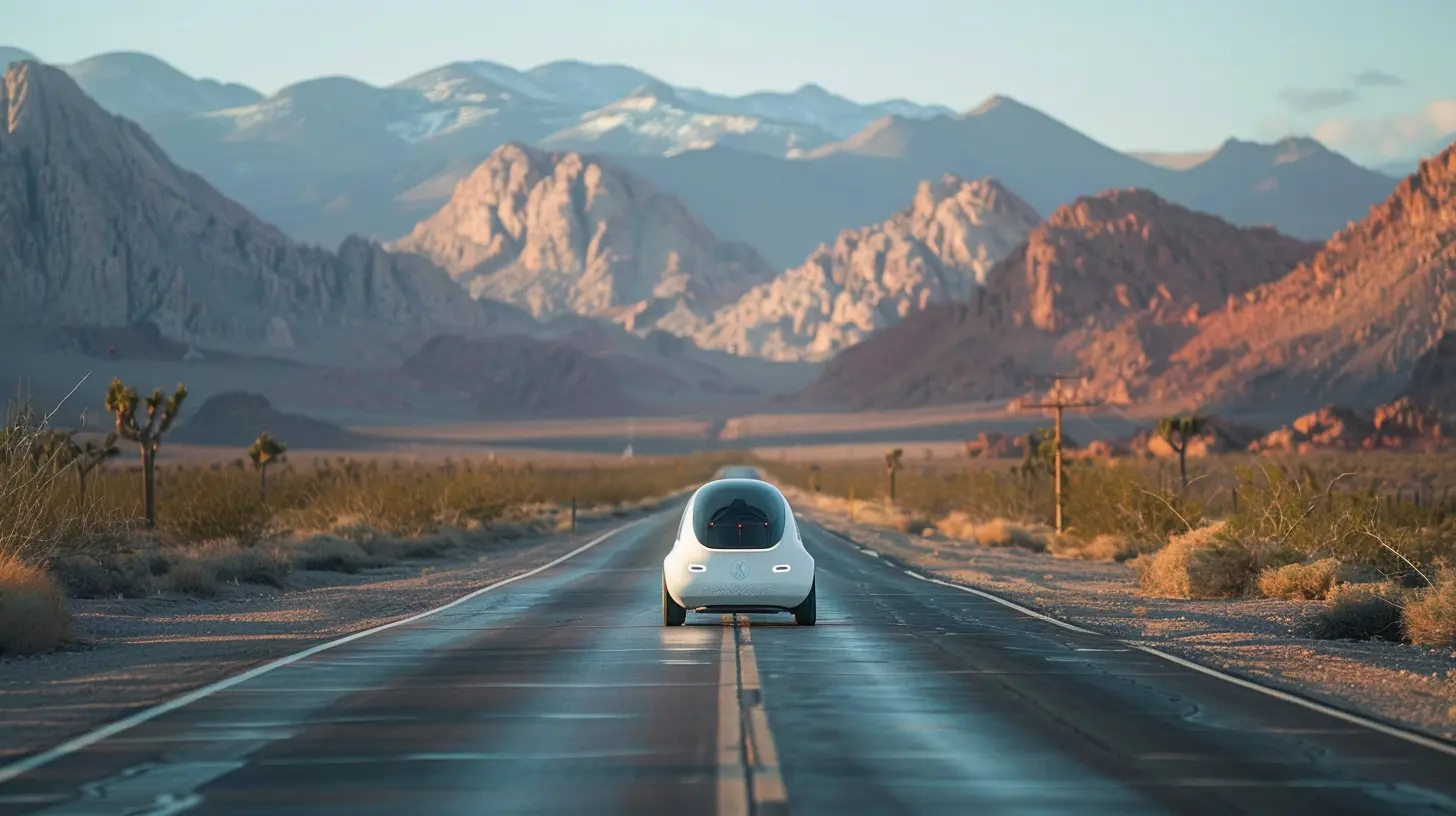
What Exactly Are Autonomous Vehicles?
Before we get too ahead of ourselves, let’s make sure we’re all on the same page. What are autonomous vehicles (AVs)?Simply put, an autonomous vehicle is a car that can drive itself without human intervention. Using a combination of sensors, cameras, artificial intelligence (AI), and machine learning, these vehicles can navigate roads, avoid obstacles, and even follow traffic rules. Think of them as the robotic chauffeurs of the future.
There are different levels of autonomy, ranging from Level 0 (where the driver has full control) to Level 5, which is a fully self-driving car that doesn’t require a human driver at all. Right now, we’re mostly between Level 2 and Level 3, where cars can assist with some tasks, but still need a human behind the wheel for safety reasons.
So, what does this mean for your next road trip? Let’s break it down.
The Convenience Factor: Sit Back and Relax
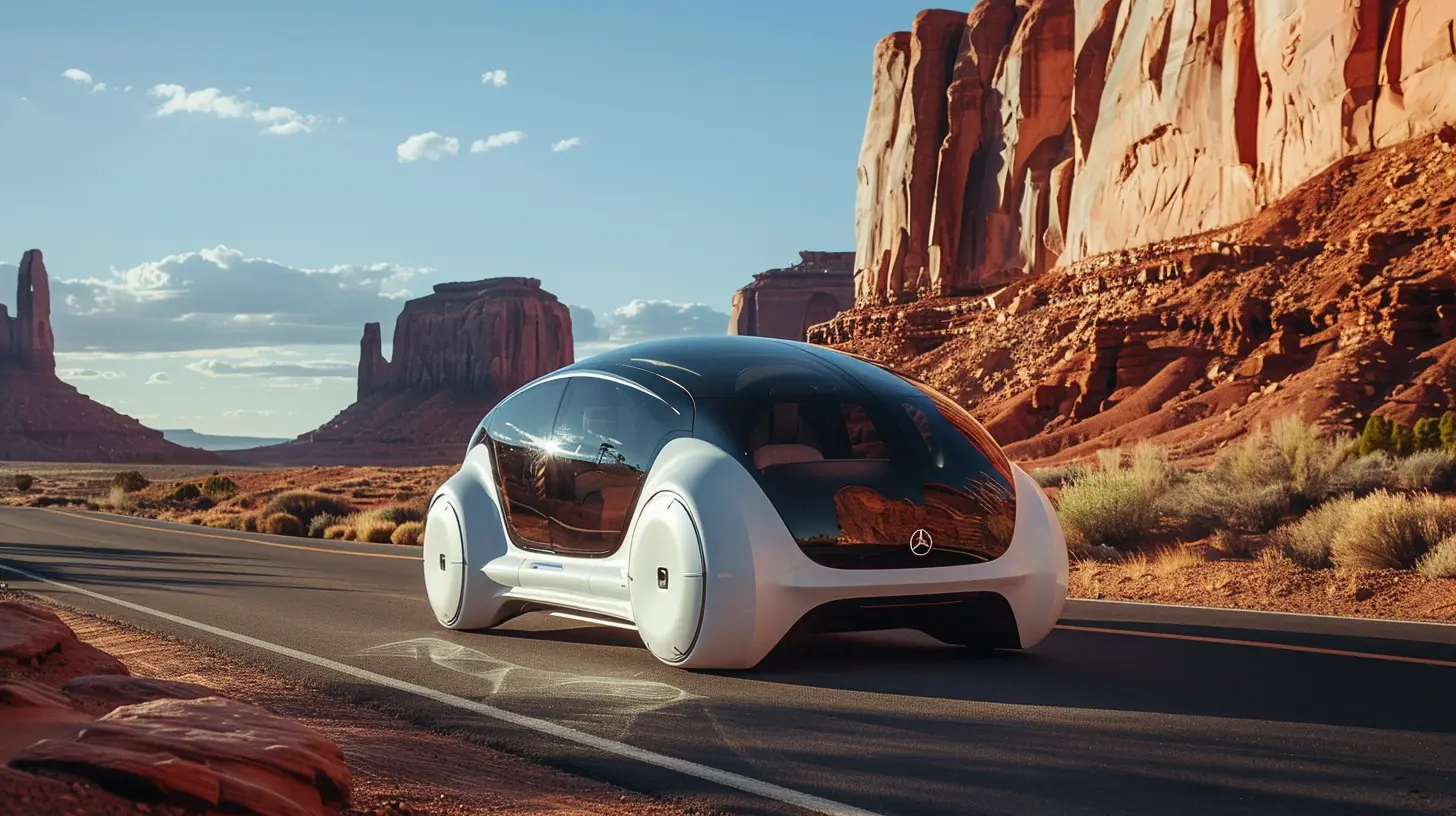
Imagine this: You’re planning a cross-country road trip. Normally, this would involve taking turns driving, planning rest stops, and staying alert for hours on end. But with an autonomous vehicle, you can sit back, relax, and let the car do all the heavy lifting. It’s like having your own personal driver, but without the awkward small talk.No More Driver Fatigue
One of the most obvious benefits of autonomous vehicles is the elimination of driver fatigue. Long road trips can be exhausting, especially when you’re clocking in several hours behind the wheel. With an AV, the car takes care of the driving, allowing you to nap, read a book, or even get some work done while you’re on the road. It’s like turning your car into a mobile living room.Plus, you and your travel companions won’t have to argue about who’s driving next. Everyone gets to enjoy the ride equally.
Multitasking on the Go
Another major perk? Multitasking. With the car handling the driving, you can focus on other things. Want to catch up on your favorite podcast or binge-watch a new Netflix series? Go for it. Need to respond to emails or finish up that work presentation? You’ve got the time.In essence, autonomous vehicles allow you to reclaim those hours spent behind the wheel and use them however you like. It’s a game-changer for productivity and relaxation alike.
Safety First: Fewer Accidents, More Peace of Mind
We all know that driving can be dangerous. Human error is responsible for the vast majority of car accidents. Whether it’s distracted driving, speeding, or simply misjudging a turn, accidents happen every day. But with autonomous vehicles, this could become a thing of the past.AI Doesn’t Get Distracted
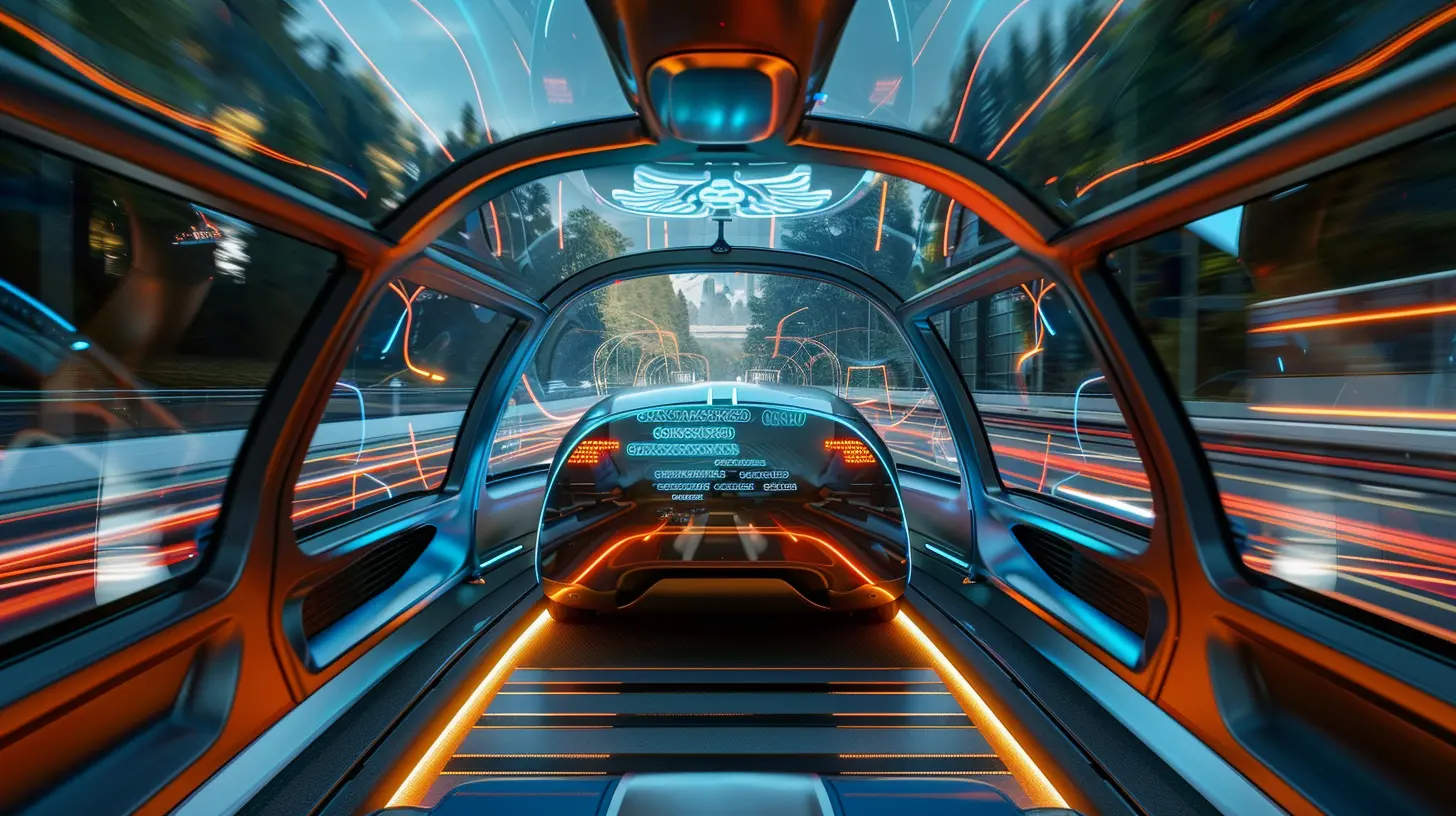
Unlike human drivers, autonomous vehicles don’t get tired, distracted, or emotional. They don’t text while driving, and they certainly don’t have road rage (thank goodness). With advanced sensors and AI, these cars can react faster to changes in traffic, detect obstacles, and make split-second decisions that could prevent an accident.Reduced Human Error
The goal of autonomous vehicles is to minimize human error. By removing the human element, AVs have the potential to drastically reduce the number of accidents on the road. That means fewer fender benders and a much safer journey for everyone on board.And let’s face it, fewer accidents mean less time spent on the side of the road waiting for a tow truck. That’s one road trip headache we could all do without.
The Social Aspect: More Time for Connection
One of the best parts of a road trip is spending quality time with your travel companions. Whether it’s playing car games, sharing stories, or jamming out to your favorite tunes, road trips are a great opportunity to bond. But let’s be honest, when you’re stuck behind the wheel, it can be hard to fully participate in the fun.More Time Together
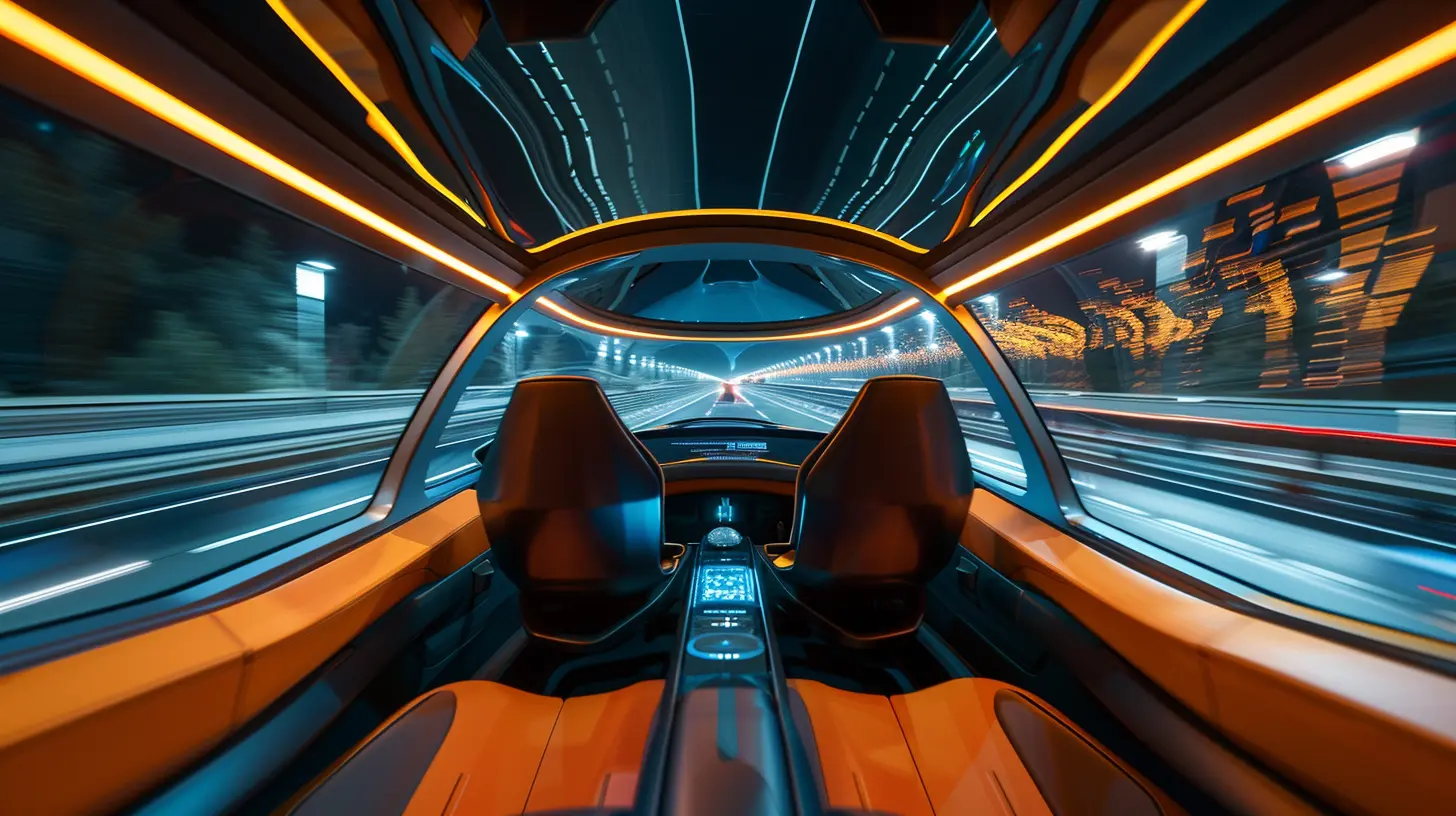
With an autonomous vehicle, you’re no longer confined to the driver’s seat. You can sit back and engage with your friends or family without the distraction of having to focus on the road. It’s like turning your car into a social space, where everyone can be present and enjoy each other’s company.Shared Experiences
And let’s not forget about the shared experiences! With the car handling the driving, you and your road trip buddies can all enjoy the scenic views together, rather than just the passengers. You won’t miss out on those “wow” moments because you were too busy watching the road.The Future of Road Trip Planning: Less Stress, More Flexibility
Planning a road trip can be a logistical nightmare. From mapping out routes to figuring out where to stop for gas and food, there are a lot of variables to consider. But autonomous vehicles could take a lot of that stress away.Smart Navigation
Most AVs will come equipped with advanced navigation systems that can plan the most efficient route to your destination. Not only will they consider traffic and road conditions, but they’ll also be able to suggest optimal rest stops, scenic detours, and even recommend places to eat based on your preferences. It’s like having a personal travel guide built into your car.No More Gas Stops (In Some Cases)
Many autonomous vehicles are expected to be electric, which means no more scrambling to find a gas station in the middle of nowhere. Instead, you’ll be able to charge your vehicle at designated stations along your route, and with advances in charging technology, this could soon be as quick and easy as filling up a tank of gas.
A New Kind of Entertainment: What to Do During the Ride
If you’re not driving, what are you going to do with all that free time? Well, that’s where things get interesting. Autonomous vehicles are likely to come with a wide array of entertainment options to keep you engaged during your journey.In-Car Entertainment Systems
Think about the in-flight entertainment systems you see on airplanes. Now, imagine something even more advanced in your car. We’re talking about interactive screens, virtual reality (VR) experiences, and even gaming consoles built into the car’s dashboard. You’ll never have to worry about being bored during a long stretch of highway again.Personalized Experiences
Since AVs are powered by AI, they’ll likely be able to tailor the in-car experience to your preferences. Whether it’s suggesting the next episode of a TV show you’re binge-watching or offering up trivia games based on your interests, the car will know how to keep you entertained.The Environmental Impact: Greener Road Trips
One of the biggest concerns with traditional road trips is the environmental impact. Gas-powered cars contribute to pollution and carbon emissions, which isn’t exactly great for the planet. But with the rise of electric autonomous vehicles, road trips could become much more eco-friendly.Electric Vehicles (EVs) on the Rise
Many autonomous vehicles in development are also electric, which means they produce zero emissions. That’s great news for the environment and for road trippers who want to minimize their carbon footprint.Efficient Driving
Not only are electric vehicles better for the environment, but autonomous vehicles are designed to drive as efficiently as possible. That means less stop-and-go traffic, smoother acceleration, and more consistent speeds—all of which contribute to better fuel efficiency and a lower environmental impact.
The Challenges: Are We There Yet?
Of course, it’s not all sunshine and rainbows. There are still some challenges to overcome before autonomous vehicles become the norm on road trips.Technology Limitations
While we’re making great strides in AV technology, we’re not quite at Level 5 autonomy yet. Most autonomous vehicles still require some level of human intervention, especially in complex driving conditions like bad weather or busy city streets. So, while the future looks bright, we’re not there just yet.Legal and Regulatory Hurdles
Then, there’s the issue of regulations. Each country, and even each state, has its own set of laws when it comes to autonomous vehicles. Navigating these legal hurdles will take time, and it could be a while before fully autonomous road trips are a reality for everyone.High Cost
And let’s not forget the price tag. Right now, autonomous vehicles are still relatively expensive, which means they’re out of reach for many consumers. But as technology advances and production costs come down, we can expect prices to become more affordable in the future.Conclusion: Buckle Up for the Future
There’s no doubt that autonomous vehicles are going to change the way we experience road trips. From increased convenience and safety to new forms of entertainment and eco-friendly travel, the potential is enormous. While we’re not quite there yet, the future of road trips is looking more exciting than ever.So, the next time you hit the road, imagine what it would be like to kick back, relax, and let your car do the driving. Sound like a dream? Well, that dream might not be too far off.
all images in this post were generated using AI tools
Category:
Autonomous VehiclesAuthor:

John Peterson
Discussion
rate this article
2 comments
Jamie Blevins
This article brilliantly explores how autonomous vehicles could revolutionize road trips, enhancing safety, convenience, and sustainability. The future of travel looks exciting as technology reshapes our journeys and experiences!
December 21, 2025 at 3:51 AM
John Peterson
Thank you! I'm glad you enjoyed the article and share my excitement about the potential of autonomous vehicles to transform our travel experiences.
Upton Blevins
Exciting times ahead! Imagine road trips without the driving stress—just relax, enjoy the scenery, and let technology do the work. The future of fun adventures is right around the corner!
December 16, 2025 at 12:45 PM
John Peterson
Absolutely! Autonomous vehicles promise to transform our travel experiences, allowing us to relax and truly enjoy the journey. Exciting times indeed!