Exploring the Environmental Cost of Battery Production
4 January 2026
Have you ever stopped for a second to think about what powers your electric car, your smartphone, or even your smartwatch? The answer: batteries. But while they might seem like clean, green solutions to our energy problems, there's a hidden story behind them. One that’s not always eco-friendly.
Let’s be real—batteries are everywhere. From Teslas zooming silently down the road to solar panels storing up sunshine for a rainy day, battery tech is booming. But here's the twist: the environmental footprint of making those batteries can be pretty hefty.
So buckle up—we're about to take a deep dive into the environmental cost of battery production. It’s not all doom and gloom, but it’s definitely a conversation we need to have.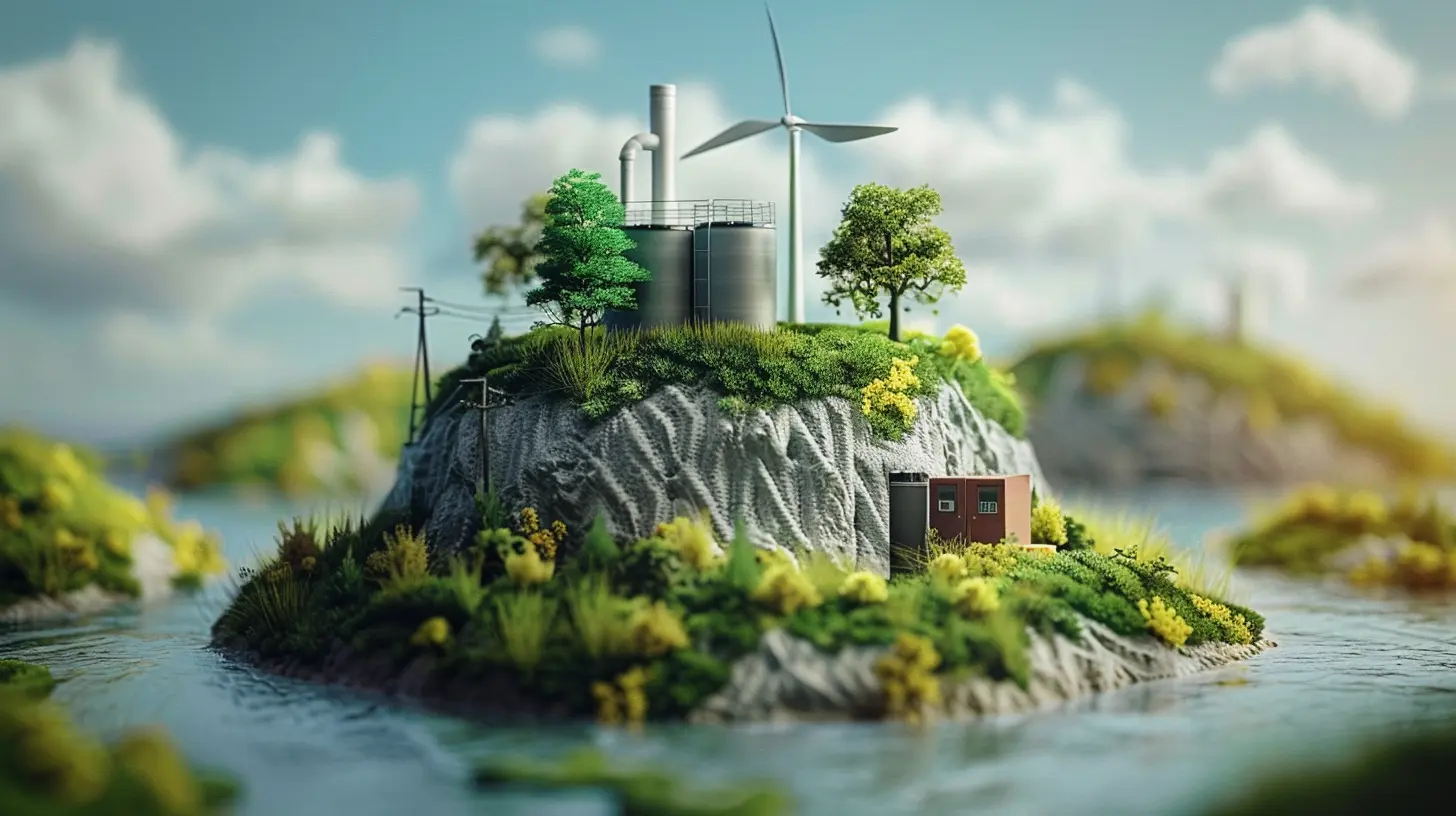
The Rise of Batteries in a Tech-Fueled World
Before we go all "environmental watchdog," let’s talk about why batteries are even a big deal.These days, we’re pushing hard for renewable energy and ditching fossil fuels wherever possible. Electric vehicles (EVs)? Check. Solar and wind storage? Double-check. Portable tech? You get it.
Batteries, especially lithium-ion ones, are at the core of our transition to a more sustainable future. They're sleek, rechargeable, and far more efficient than their outdated cousins. But it’s not all sunshine and smooth rides.
Why? Because before a battery powers up your life, it goes through a whole journey—from mining to manufacturing—that leaves a trail of environmental consequences.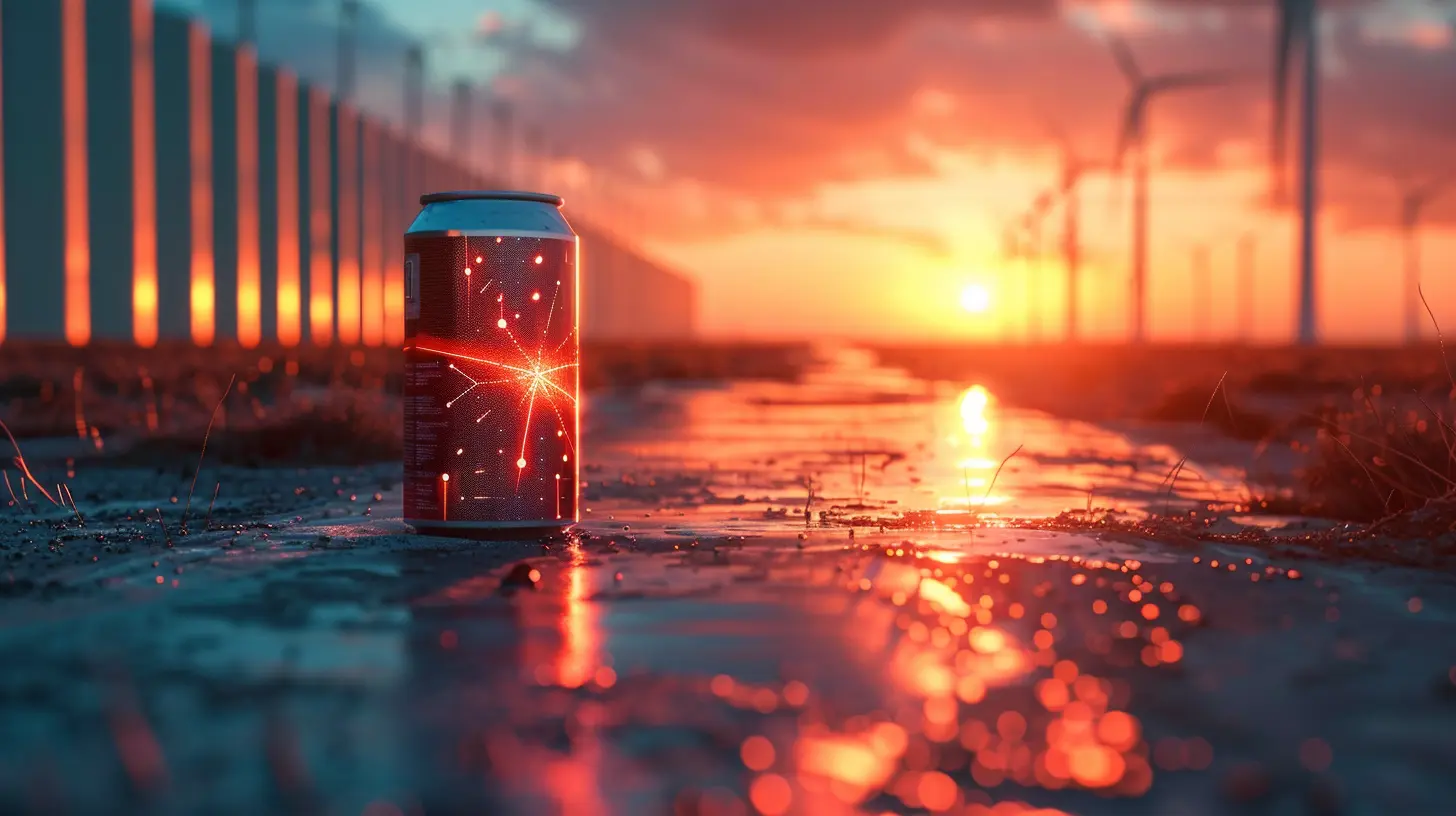
What's Inside a Battery Anyway?
Let’s crack open the hood a bit. Most modern rechargeable batteries, like the ones in your phone or EV, are lithium-ion batteries. They’re made up of a few key ingredients:- Lithium
- Cobalt
- Nickel
- Graphite
- Manganese
Each of those minerals plays a big role in how well the battery performs. But getting them out of the earth? That’s where things start to get messy.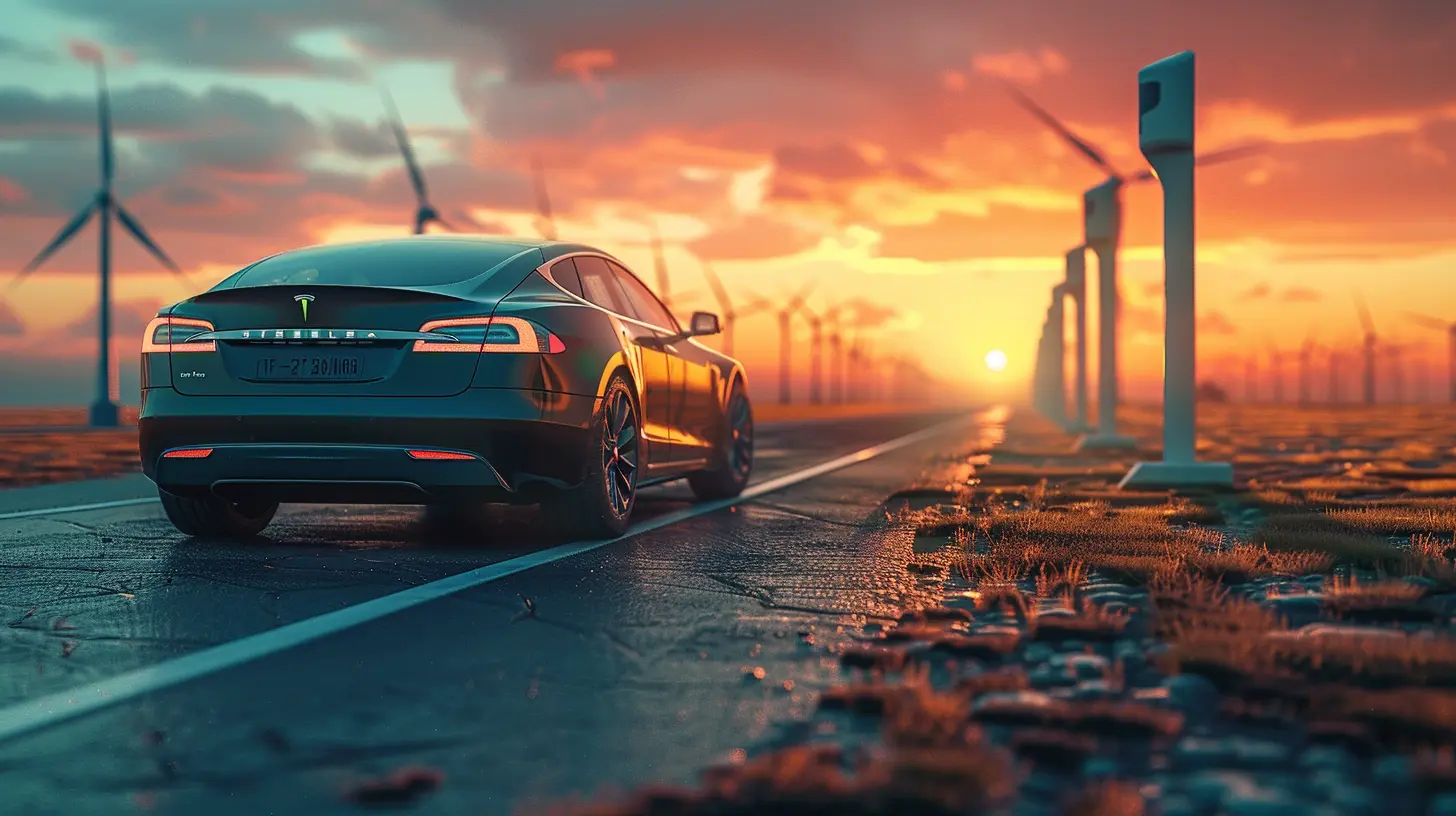
Mining for Minerals: The Dirty Start
Mining is where the environmental cost kicks in hard. Picture vast pits in the Earth’s surface, heavy machinery, water being used by the truckload, and toxic waste left behind. Sound green to you? Didn’t think so.Lithium Extraction
Take lithium, for example. It’s often extracted from salt flats, like those found in South America’s Lithium Triangle (Bolivia, Chile, Argentina). Companies pump salty groundwater to the surface and let it evaporate, leaving behind lithium-rich compounds.Here’s the kicker: It takes roughly 500,000 gallons of water to produce one ton of lithium. That’s a huge problem in regions where water is already scarce. Communities end up competing with mining companies over an increasingly limited resource.
Cobalt Mining
And then we have cobalt—mostly sourced from the Democratic Republic of Congo (DRC). Cobalt mining has some serious ethical red flags. Think child labor, unsafe working conditions, and political corruption.On top of that, the mining process itself generates significant pollution. The extraction releases hazardous materials into the air and water, endangering both people and ecosystems.
Nickel and Other Metals
Nickel mining isn’t much better. It’s energy-intensive, and it frequently involves sulfur dioxide-emitting smelters, which contribute to acid rain. Fun, right?Even graphite, a seemingly harmless mineral, causes air pollution when mined and processed, particularly in China.
In short, the materials that power our batteries come with a pretty dirty price tag.
Energy Hungry Factories: The Carbon Footprint of Manufacturing
Okay, let’s imagine we’ve gotten all our minerals. The next step? Manufacturing.Battery production is no walk in the park. It involves:
- Water purification
- Chemical processing
- Crushing and refining minerals
- Cooling systems
- Assembling cells into battery packs
All of this requires massive amounts of energy—most of which, ironically, comes from fossil fuels. In countries like China, where a large chunk of battery manufacturing happens, the grid is still heavily coal-powered.
So yeah, the irony isn’t lost on us. Clean tech, powered by dirty energy.
Toxic Waste and Environmental Contamination
Ever heard the phrase “throwaway culture”? It doesn’t just apply to plastic straws and fast fashion.Batteries wear out, and when they do, they become hazardous waste. If not properly recycled, they can leak toxic chemicals into soil and water. Lithium, for example, reacts violently with water. Cobalt and nickel? Known carcinogens.
And the kicker? We’re not very good at recycling batteries yet. Global recycling rates for lithium-ion batteries hover below 10%.
So not only are we digging deep to get these valuable minerals, but we’re also tossing them out without a second thought. It’s like extracting gold and flushing it down the toilet. Crazy, right?
Human and Social Impact: Not Just an Environmental Issue
Let’s not ignore the human side of things. The environmental cost of battery production isn't just about pollution. It’s also about the human toll.Many of these mining operations are in developing countries, where:
- Workers labor in dangerous conditions,
- Communities face displacement,
- Water sources are contaminated,
- And children are forced into labor.
This raises a tough ethical question: Can we call battery tech sustainable when it exploits vulnerable communities?
Is There a “Greener” Way to Make Batteries?
Alright, let’s not spiral into despair. There is hope—promise!Researchers and companies are working on greener battery alternatives and more sustainable practices. Here’s a glimpse of what that looks like:
1. Battery Recycling & Circular Economy
Recycling is the obvious starting point. Instead of mining fresh metals, why not reuse what we've already harvested?Companies like Redwood Materials and Li-Cycle are developing advanced recycling methods that can recover over 95% of key battery materials. Circular economy models could drastically reduce our need for virgin mining.
2. Solid-State Batteries
Solid-state batteries are considered the "next big thing." They’re safer, more efficient, and could reduce the need for problematic materials like cobalt.Though still in development, major auto companies are investing heavily in solid-state tech. It could be a game-changer.
3. Low-Impact Material Alternatives
What if we could swap harmful metals for more abundant, eco-friendly ones? Some startups are exploring batteries that use:- Sodium (from salt)
- Silicon (abundant and cheap)
- Iron (less toxic)
Still early days, but promising!
4. Ethical Sourcing & Transparency
Some companies are taking the pledge to source materials ethically. This includes using blockchain tech to track minerals from mine to market and conducting third-party audits.Tesla, Apple, and others are under increasing pressure to clean up their supply chains. Transparency is becoming a competitive advantage.
Government Regulations and Global Initiatives
Governments are finally waking up to the environmental cost of battery production.In Europe, the EU Battery Directive sets rules for collection, recycling, and labeling of batteries. Newer policies also require manufacturers to disclose the carbon footprint of battery production.
The U.S. is catching up too. Incentives for recycling and ethical sourcing are being introduced under new energy and infrastructure plans.
Global cooperation is slowly growing. It’s far from perfect, but it’s a start.
So, What Can You Do?
Feeling overwhelmed? Don't worry, you’re not powerless. Here are a few small but impactful things you can do:- Buy Less, Use Longer: Don’t chase the latest iPhone if yours still works fine.
- Support Ethical Brands: Choose companies pushing for sustainable practices.
- Recycle Your Devices: Look for e-waste recycling programs in your area.
- Stay Informed: Knowledge is power. The more we know, the smarter our choices.
Final Thoughts: It’s Complicated, But Worth It
Look, battery tech is essential. It’s helping us kick fossil fuels to the curb and transition to a clean energy future. But it’s not perfect—not by a long shot.The environmental and human cost of battery production is real and significant. But instead of demonizing the tech, let’s work on making it better. Cleaner mining, better recycling, ethical labor practices—these are the keys to a truly sustainable battery revolution.
The future is electric—but it needs to be fair and eco-conscious, too. And that starts with conversations like this.
all images in this post were generated using AI tools
Category:
Battery TechnologyAuthor:

John Peterson
Discussion
rate this article
2 comments
Jordan Gomez
Watts up with that?
February 13, 2026 at 5:44 AM
John Peterson
Thanks for your interest! We're examining the hidden environmental impacts of battery production, which are crucial for understanding the full lifecycle of renewable energy solutions.
Esme Brown
Great read! It’s crucial to highlight the environmental impacts of battery production as we embrace green technologies. Balancing innovation with sustainability will be key to a cleaner future. Excited to see advancements that prioritize both performance and our planet!
January 7, 2026 at 4:31 AM
John Peterson
Thank you! I completely agree—balancing innovation with sustainability is essential for a truly green future. Your insights are much appreciated!