Exploring the Possibilities of Flexible and Foldable Displays
27 December 2025
Technology never stays still, does it? Every year, we see new advancements that push the limits of what gadgets can do. One of the most exciting innovations to hit the market in recent years is flexible and foldable displays. From foldable smartphones to futuristic rollable TVs, we’re witnessing a revolution in screen technology that could change how we interact with our devices.
But what exactly are flexible and foldable displays? How do they work? And more importantly, what does the future hold for this game-changing innovation? Let’s dive in and explore the possibilities!

Understanding Flexible and Foldable Displays
Before we get into the nitty-gritty, let’s break it down.What Are Flexible and Foldable Displays?
Flexible and foldable displays are screens that can bend, fold, or even roll without breaking. Unlike traditional glass screens, which are rigid and prone to shattering, these displays use materials like OLED (Organic Light Emitting Diode) panels and advanced polymers that allow them to flex while maintaining image quality.There are two key categories:
- Foldable Displays – These are screens that can fold in half, like the Samsung Galaxy Z Fold series, or flip open like the Motorola Razr.
- Rollable Displays – These can extend and retract, like LG’s prototype rollable TV or concept smartphones that expand on demand.
Now, you might be wondering, how do these things even work without breaking? Well, let’s get into that.
How Do Flexible Displays Work?
The secret lies in OLED technology. Unlike LCD screens, which need a backlight, OLED pixels emit their own light. This means they can be built on ultra-thin, bendable substrates like plastic or flexible glass.Engineers have also developed hinge mechanisms and protective layers to help foldable screens endure thousands of bends without degrading. Companies like Samsung, Huawei, and Lenovo have poured years of research into perfecting this balance between flexibility and durability.

The Benefits of Flexible and Foldable Displays
Now that we know the science behind these screens, let’s talk about why they’re such a big deal.1. Portability and Convenience
Having a larger screen without sacrificing portability is a dream come true. Foldable phones, for example, can be compact when folded and expand into a full-sized tablet when needed. This means you can carry a mini tablet in your pocket—no more carrying both a phone and a tablet!2. Enhanced Multitasking
Imagine working on multiple apps at once without constantly switching between them. Foldable devices allow for true multi-window experiences, making them perfect for productivity. Professionals, gamers, and content creators can boost their efficiency with extra screen real estate.3. Immersive Entertainment
A rollable TV that disappears when not in use? Sounds like something straight out of a sci-fi movie! With these displays, bigger and more immersive screens become possible without taking up unnecessary space.4. Durability Improvements
While early foldable phones had concerns about screen durability, manufacturers have made huge improvements. Modern foldable screens are tougher, and some even self-heal minor scratches using polymer-based materials.5. A Fresh Wave of Innovation
Flexible displays open new possibilities beyond phones and TVs. Think wearable screens, foldable laptops, and even smart clothing with built-in digital displays. The potential is mind-blowing!
Challenges Holding Flexible Displays Back
Of course, no technology comes without hurdles. Foldable screens are still relatively new, and while they have massive potential, they also come with challenges.1. High Cost
Let’s be real—foldable devices aren’t cheap. The use of cutting-edge materials and complex manufacturing means these products remain expensive compared to regular screens. Over time, prices will drop, but for now, they’re still a luxury.2. Durability Concerns
Foldable screens have improved significantly, but they’re still not as tough as traditional glass. Repeated folding and unfolding can lead to issues like creases, screen failure, or hinge wear over time.3. Battery Life
More screen means more power consumption. Manufacturers have had to find ways to balance power efficiency with larger, flexible screens, but battery technology still needs to catch up.4. App Optimization
Not all apps are optimized for foldable screens yet. Developers need to adapt their software to make full use of these displays, ensuring smooth transitions between folded and unfolded modes.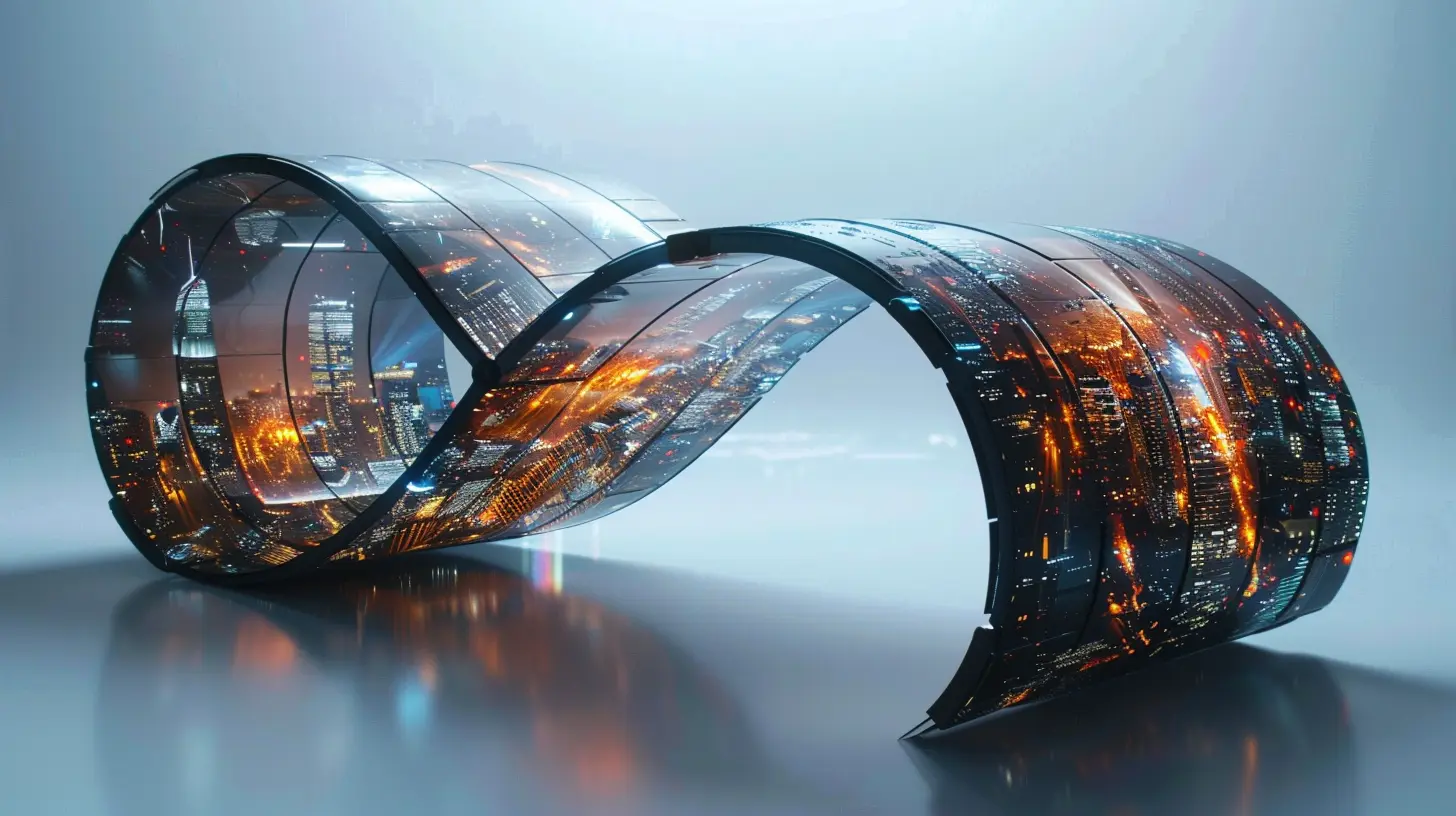
The Future of Flexible and Foldable Displays
Despite the challenges, the future looks incredibly exciting. Here’s what we can expect in the coming years:More Affordable Foldables
As production scales up, costs will decrease. Just like how flat-screen TVs were once a luxury but are now standard, we can expect foldable devices to become more accessible.Laptops and Tablets with Foldable Screens
We’re already seeing companies like Lenovo and ASUS experiment with foldable laptops. In the next few years, we could see a complete shift from traditional clamshell designs to laptops that fold into different modes.Wearable Tech Revolution
Smartwatches and fitness trackers could benefit greatly from flexible screens. Imagine a wrap-around smartwatch that expands into a mini smartphone—the possibilities are endless!Foldable E-Readers and Notebooks
E-Ink displays could also go foldable, offering book-like experiences without the bulk. Imagine carrying an entire library in a device that folds like a paperback.Smart Clothing with Integrated Displays
This may sound futuristic, but smart textiles with embedded flexible displays could be the next trend. Interactive clothing and accessories could soon become mainstream.Are Foldable Displays Worth It Right Now?
Honestly? It depends. If you’re an early adopter who loves cutting-edge tech and doesn’t mind the premium price, then absolutely! Foldable phones and rollable TVs offer futuristic experiences today.But if you’re someone who prioritizes price and durability, it might be worth waiting until the technology matures a bit more. Within a few years, we’ll likely see more affordable, durable, and widely available foldable gadgets.
Final Thoughts
Flexible and foldable displays are no longer just a tech enthusiast's dream—they're here, and they’re evolving fast. With benefits ranging from portability to futuristic innovation, this technology is set to change how we use our devices.Sure, there are still challenges, but with rapid advancements in materials, engineering, and software, we’re headed toward a future where screens are no longer just rigid rectangles but dynamic, adaptable surfaces that enhance our daily lives.
So, are you excited about foldable displays? Or do you think it's just a passing trend? One thing's for sure—this is just the beginning!
all images in this post were generated using AI tools
Category:
Future TechAuthor:

John Peterson
Discussion
rate this article
2 comments
Bennett Barnes
Exciting innovations ahead! Flexible displays will revolutionize design and user experience.
February 12, 2026 at 4:15 AM
John Peterson
Absolutely! Flexible displays hold immense potential to transform both design and user interaction in incredible ways.
Shania McCune
Great article! The future of flexible and foldable displays is truly exciting. It's amazing to think about how these innovations will reshape our devices and user experiences. Can't wait to see what creative solutions designers will come up with next!
January 5, 2026 at 9:02 PM
John Peterson
Thank you! I'm glad you enjoyed the article. The potential of flexible displays is indeed thrilling, and I can't wait to see the innovative designs that emerge!