Fitness Wearables for Runners: What You Need to Know
18 January 2026
Running is one of the most accessible and effective forms of exercise. But whether you're a casual jogger or a hardcore marathoner, having the right fitness wearable can make all the difference. These smart gadgets do more than just count steps—they track your heart rate, pace, distance, recovery time, and even your sleep patterns.
With so many options on the market, how do you choose the right one? Let’s break it down in simple terms.
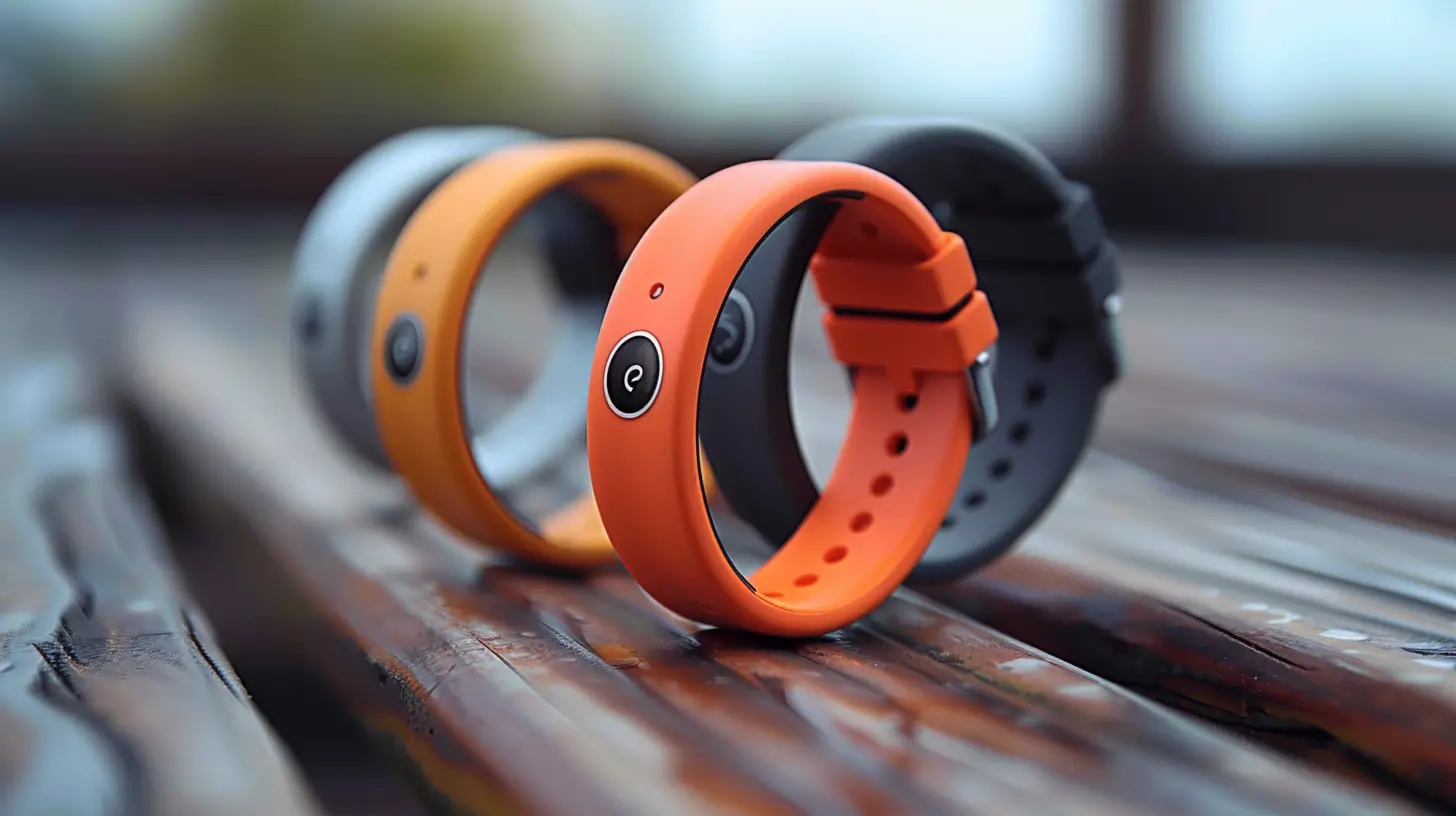
Why Runners Need Fitness Wearables
Running isn't just about lacing up your shoes and hitting the pavement. If you want to improve, avoid injuries, and track progress efficiently, a fitness wearable can be a game-changer.Here’s why runners swear by them:
- Accurate Performance Tracking – No more guessing how far or fast you’ve run.
- Heart Rate Monitoring – Helps you train at the right intensity and avoid fatigue.
- GPS Tracking – Essential for outdoor runners to measure distance and elevation.
- Recovery Insights – Some wearables track your sleep and stress levels to optimize recovery.
- Training Plans & Coaching – Get personalized running insights right on your wrist.
Now, let's dive into the features that matter most when picking a fitness wearable.
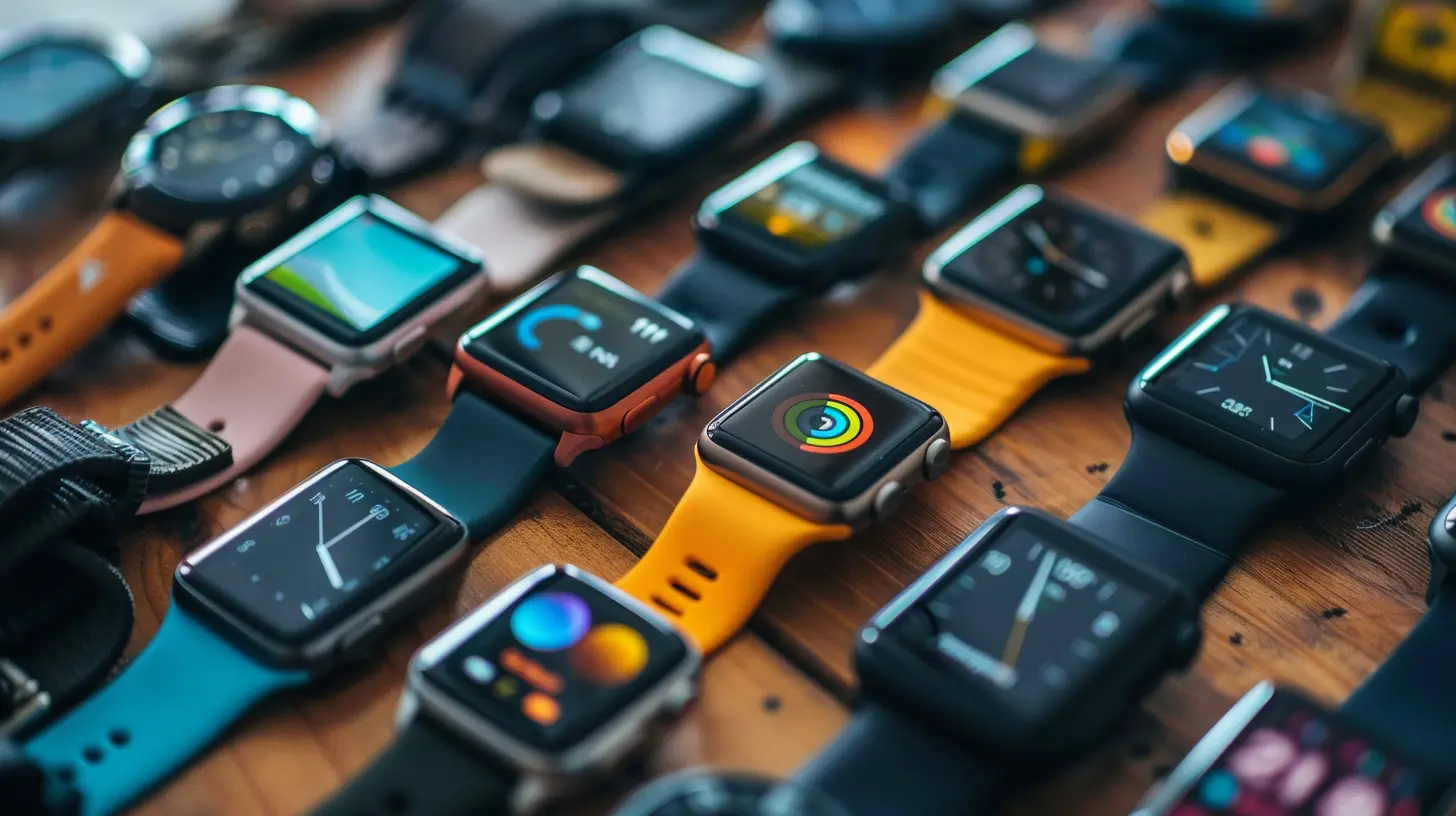
Key Features to Look for in a Running Wearable
Not all fitness wearables are created equal. Here are the most important features you should look for:1. Accurate GPS Tracking
A built-in GPS is vital for runners who want to track their pace and distance precisely. Some wearables rely on your phone’s GPS, while others have built-in sensors for more accurate results.2. Heart Rate Monitoring
Keeping an eye on your heart rate helps you train smarter. A good wearable should offer continuous heart rate monitoring and alert you when you're overexerting.3. Battery Life
If you're training for long runs or marathons, battery life is crucial. Some high-end wearables can last for days, even with GPS tracking enabled.4. Water Resistance
Do you run in the rain or sweat buckets during training? A water-resistant fitness tracker ensures durability and reliability even in tough conditions.5. Training Programs & Coaching
Many fitness wearables now offer AI-powered coaching that gives you real-time feedback based on your performance. This is perfect for beginners and seasoned athletes alike.6. Sleep & Recovery Tracking
Your body needs rest to perform. Some advanced wearables analyze your sleep patterns and stress levels to help you recover effectively.7. Smartphone Connectivity
Want to receive notifications while on the run? Many wearables sync with your phone, allowing you to control music, receive call alerts, and more.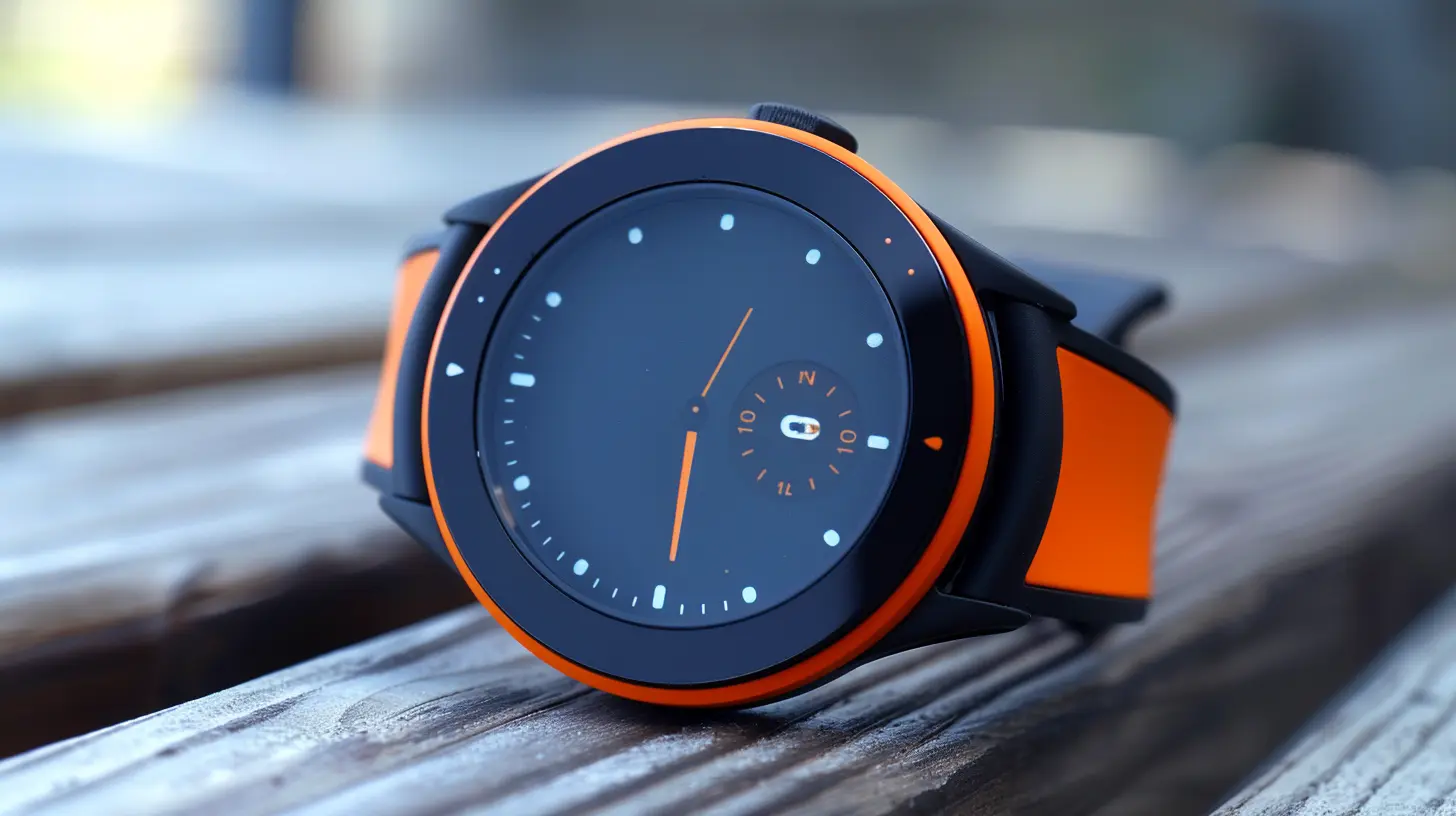
The Best Fitness Wearables for Runners
Now that we know what to look for, let’s check out some of the best fitness wearables for runners in 2024.1. Garmin Forerunner 255
If you're serious about running, Garmin has some of the best options. The Garmin Forerunner 255 has advanced GPS tracking, heart rate monitoring, and excellent battery life (up to 14 days in smartwatch mode).Pros:
- Accurate GPS and heart rate tracking
- Long battery life
- Detailed running metrics
Cons:
- Expensive compared to some fitness trackers
2. Apple Watch Ultra 2
For those who want a multi-purpose device, the Apple Watch Ultra 2 is a top-tier option. It offers precise running metrics, excellent GPS tracking, and a bright, always-on display.Pros:
- Seamless integration with Apple devices
- Advanced health tracking features
- Rugged design
Cons:
- Shorter battery life compared to Garmin
- Pricey for casual runners
3. Coros Pace 3
The Coros Pace 3 is an underrated but powerful running watch. It’s known for its lightweight design, precise GPS tracking, and an impressive battery life of up to 20 days.Pros:
- Incredible battery life
- Lightweight and comfortable
- Affordable for serious runners
Cons:
- Limited smart features (no music storage)
4. Fitbit Charge 6
If you’re looking for something budget-friendly but effective, the Fitbit Charge 6 is a solid choice. It provides essential running metrics, heart rate tracking, and even stress management insights.Pros:
- Affordable price
- Great health and sleep tracking
- Simple user interface
Cons:
- No built-in GPS (relies on your phone)
- Not as feature-rich as premium devices
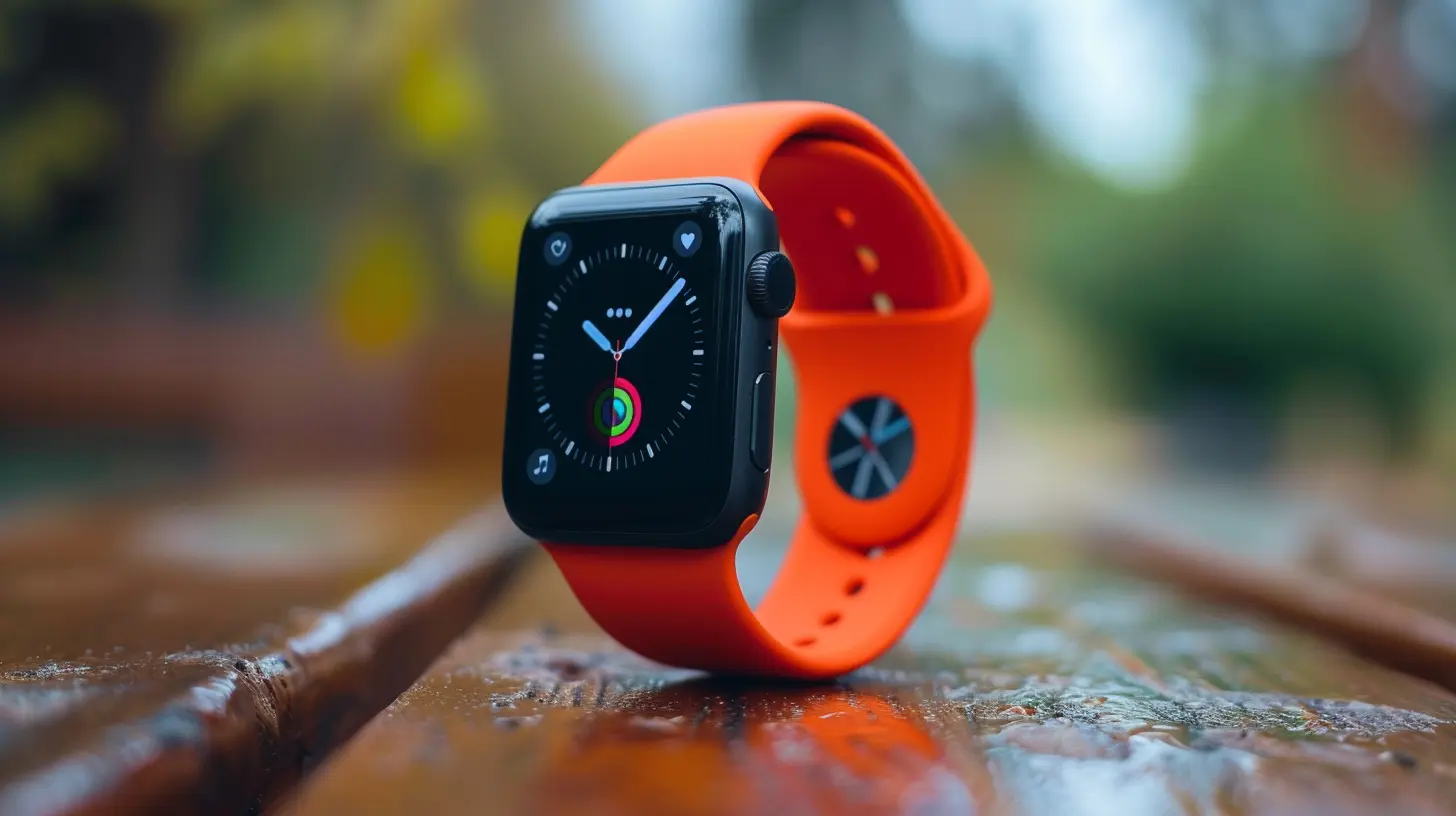
How to Choose the Right Fitness Wearable
With so many options, picking the right fitness wearable can feel overwhelming. Here are a few things to consider:- Your Running Goals – Are you training for a marathon or just running casually? High-end models offer advanced metrics, but if you're just starting, a basic tracker might be enough.
- Budget – Some premium wearables can be quite expensive. Determine what features you truly need before spending big.
- Battery Life – If you hate charging devices often, opt for wearables with long-lasting batteries.
- Comfort & Design – You’ll be wearing this device during workouts, so make sure it’s lightweight and comfortable.
Are Running Wearables Worth It?
Absolutely! Whether you're an occasional jogger or a competitive runner, a fitness wearable provides detailed insights that can help fine-tune your performance. They not only track your stats but also motivate you to stay consistent with your running routine.However, it’s important to remember that no fitness tracker can replace proper training, nutrition, and rest. Think of it as a helpful coach on your wrist rather than a magic solution.
Final Thoughts
Fitness wearables for runners have come a long way. From simple step counters to advanced AI-powered training tools, these gadgets can seriously elevate your workouts. Whether you’re after GPS tracking, heart rate monitoring, or recovery insights, there’s a device for every type of runner.Before buying, identify your needs, set a budget, and pick a wearable that aligns with your running goals. No matter which device you choose, the most important thing is to keep running, stay active, and enjoy the journey!
all images in this post were generated using AI tools
Category:
Wearable TechAuthor:

John Peterson
Discussion
rate this article
2 comments
Harper Jordan
Great overview of fitness wearables for runners! I appreciate the insights on tracking metrics and syncing data. It's crucial to choose devices that fit individual needs for optimal performance and motivation. Keep up the good work!
March 3, 2026 at 5:07 AM
John Peterson
Thank you for your feedback! I'm glad you found the insights helpful. Happy running!
Parker Kim
Great insights! Fitness wearables truly enhance running experiences and help us stay motivated and accountable. Thank you!
January 26, 2026 at 12:04 PM
John Peterson
Thank you! I'm glad you found the insights helpful. Happy running!