Flying Cars: Fact or Persistent Fantasy of Tomorrow?
7 January 2026
For decades, flying cars have been the poster child of futuristic dreams. From classic sci-fi movies to ambitious startup prototypes, mankind has long imagined a world where traffic jams are a thing of the past. But here’s the million-dollar question: Are flying cars a tangible reality, or just another far-fetched fantasy?
Let’s dive into the thrilling world of airborne vehicles and unpack the truth behind this long-standing dream. Buckle up—things are about to get exciting! 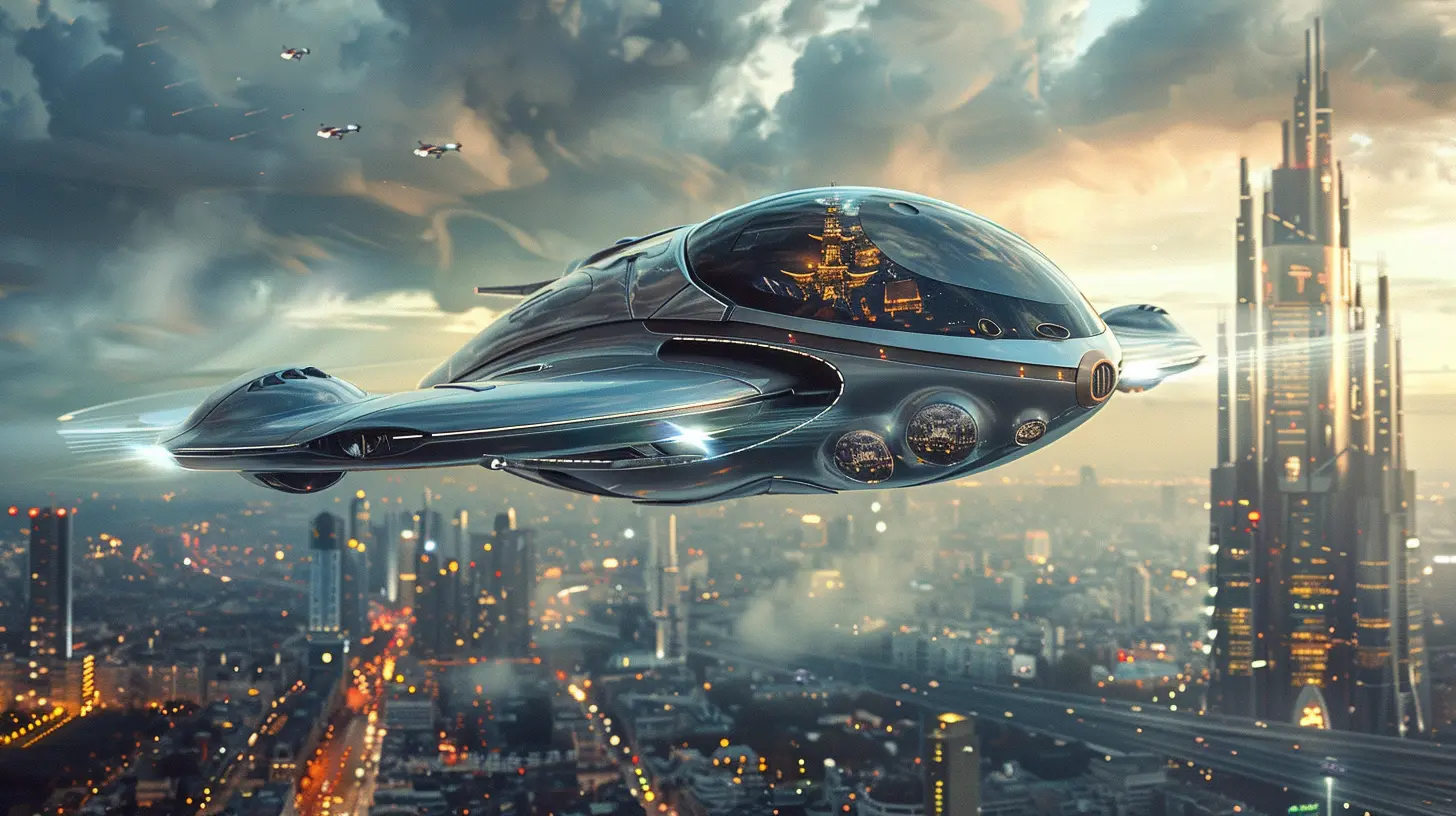
The Dream of Flying Cars: A Longtime Obsession
The idea of flying cars isn’t new. In fact, it dates back to the early 20th century. Visionaries have always been captivated by the concept of personal airborne transportation, with numerous designs and blueprints emerging over the years.Movies like Blade Runner, The Fifth Element, and even Back to the Future have projected a future where flying cars dominate city skylines. But while Hollywood makes it look easy—just press a button and take off—real-world progress has been painfully slow.
So, why hasn’t this vision become our reality yet? 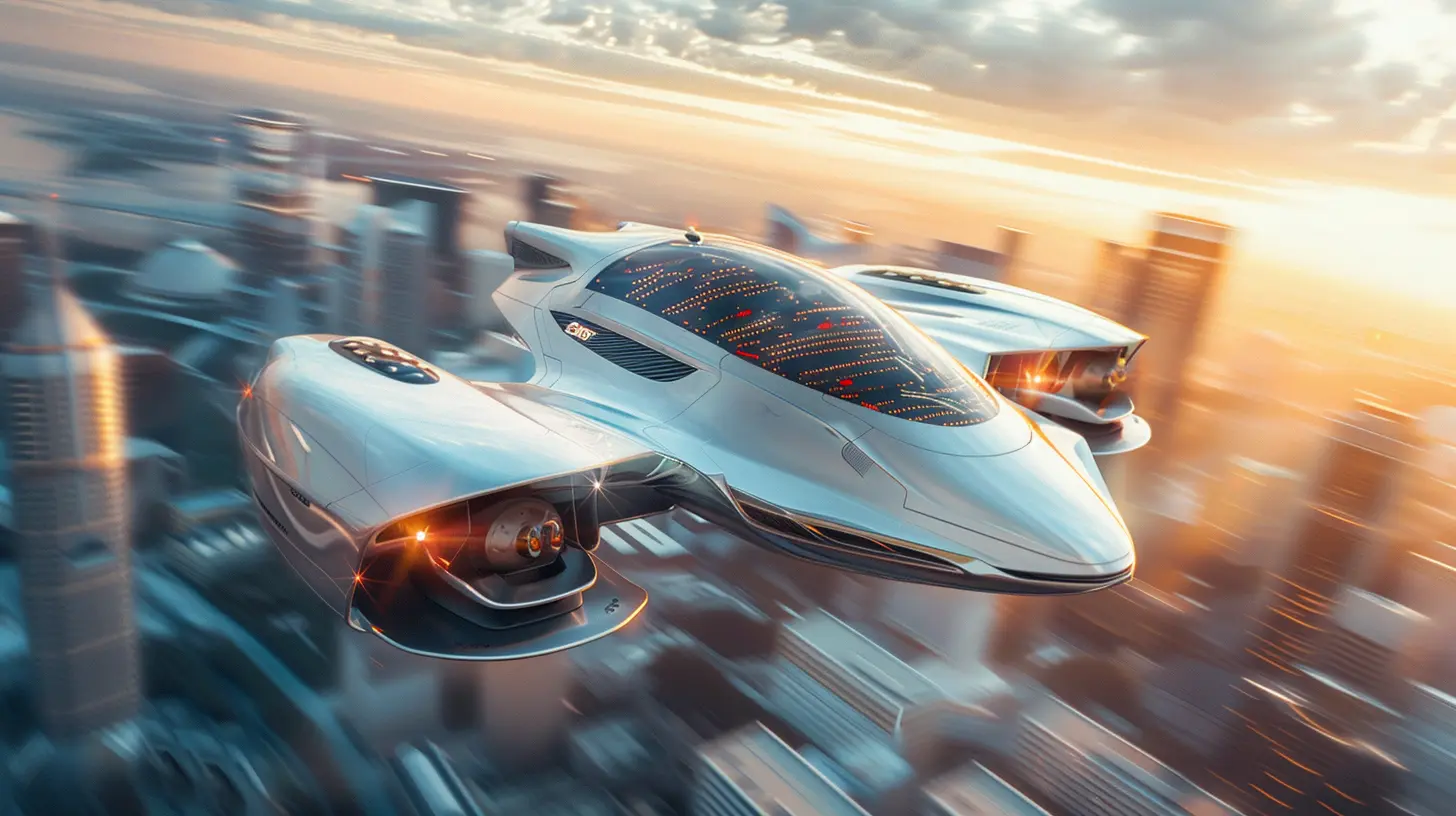
The Challenges Holding Us Back
Despite rapid technological advancements, flying cars face some enormous roadblocks (or should we say sky-blocks?). Let’s break them down:1. Safety Concerns
Imagine hundreds of cars zipping around in the sky—what happens if one fails mid-air? Unlike regular car breakdowns, an airborne malfunction could spell disaster. Regulations, air traffic control, and collision prevention systems would need to be near-perfect to prevent catastrophic accidents.2. Battery and Fuel Limitations
Most modern flying car concepts rely on electric propulsion, similar to drones. However, battery technology isn’t advanced enough to sustain long flights while carrying passengers. Even traditional aviation struggles to balance fuel efficiency with payload weight—how can small personal aircraft overcome this?3. Infrastructure Nightmares
Where will flying cars take off and land? Unlike regular cars, they can’t just park on the streets. Cities would need to redesign infrastructure completely, including dedicated aerial routes, vertical takeoff zones, and specialized landing pads. That’s a logistical and financial nightmare.4. Cost and Accessibility
Even if flying cars hit the market tomorrow, they wouldn’t be cheap. The first generations would likely be luxury items only the ultra-rich could afford. Mass adoption would take decades, and even then, affordability would be a major challenge.5. Regulatory Roadblocks
Governments and aviation authorities are notoriously slow when approving new transport technologies. Just look at how long autonomous cars have taken to gain legal clearance! Airborne vehicles would need strict regulations, licensing, and tracking systems before being allowed in commercial or personal spaces.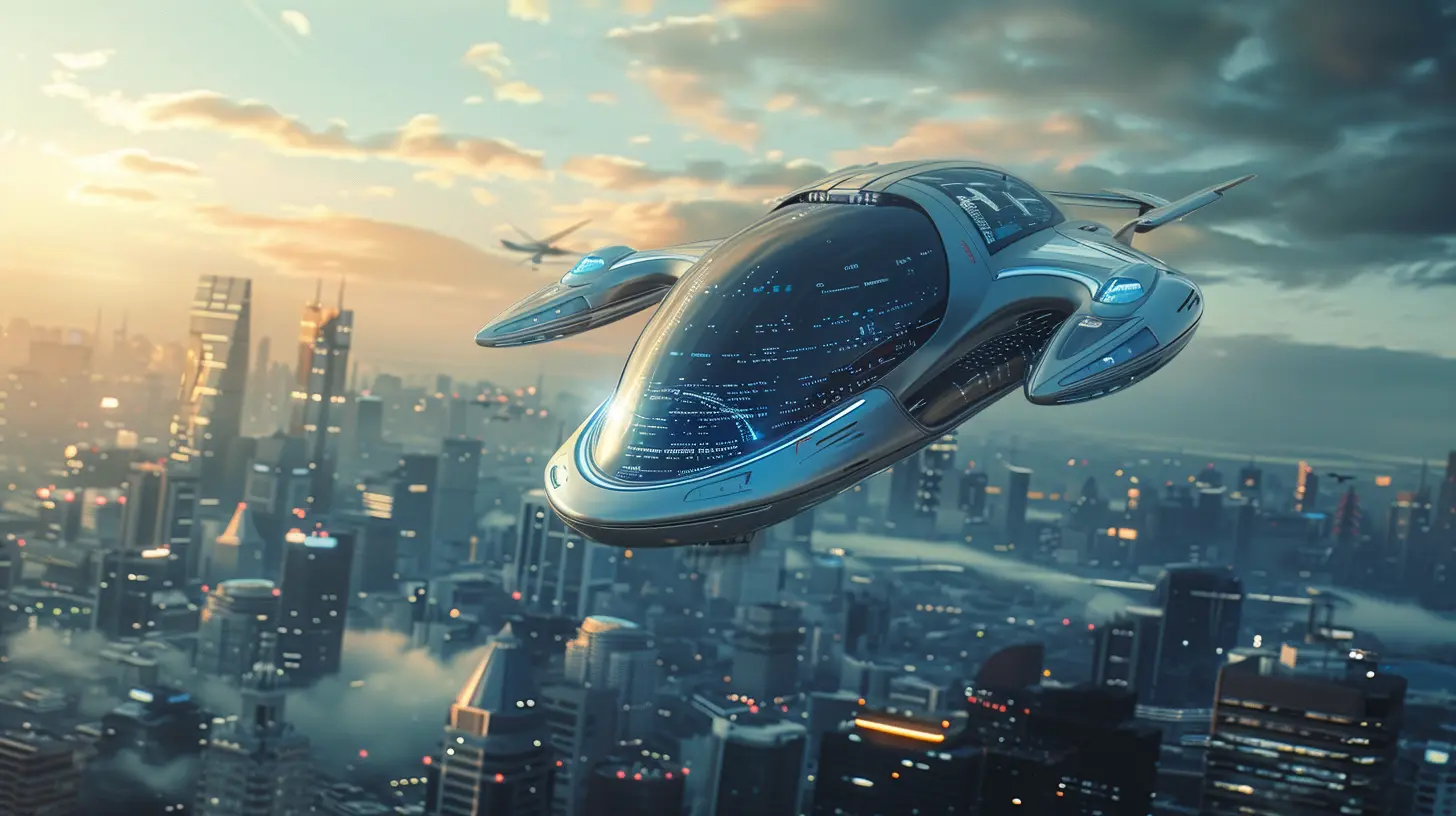
The Technology Making It Possible
Now, it’s not all doom and gloom! While there are challenges, significant technological progress has been made in recent years. Several companies and innovators are pushing the limits, trying to turn this sci-fi dream into an everyday convenience.1. Electric Vertical Takeoff and Landing (eVTOL)
A game-changer in the flying car revolution is eVTOL technology. Unlike traditional airplanes, eVTOL vehicles don’t need runways—they take off and land vertically, like helicopters. Companies like Joby Aviation, Archer Aviation, and Lilium are betting big on this approach.2. Autonomous Flight Systems
Self-driving cars are already here, and autopilot systems in planes have been around for decades. Applying AI-driven flight to personal vehicles could eliminate human error and make flying safer and easier. Companies are developing intuitive control systems to let an average person “drive” a flying car without needing a pilot’s license.3. AI-Powered Air Traffic Management
Managing flying cars in a busy city is no small feat. Artificial intelligence could play a vital role in coordinating flights, preventing collisions, and ensuring smooth operations. Think of it as an invisible, highly advanced traffic control system in the sky.4. Sustainable Aviation Fuel & Hybrid Power
Many flying car prototypes are experimenting with hybrid systems that combine electric power with sustainable aviation fuel. This approach reduces emissions while extending flight range. Eventually, hydrogen fuel cells could also become a viable energy source.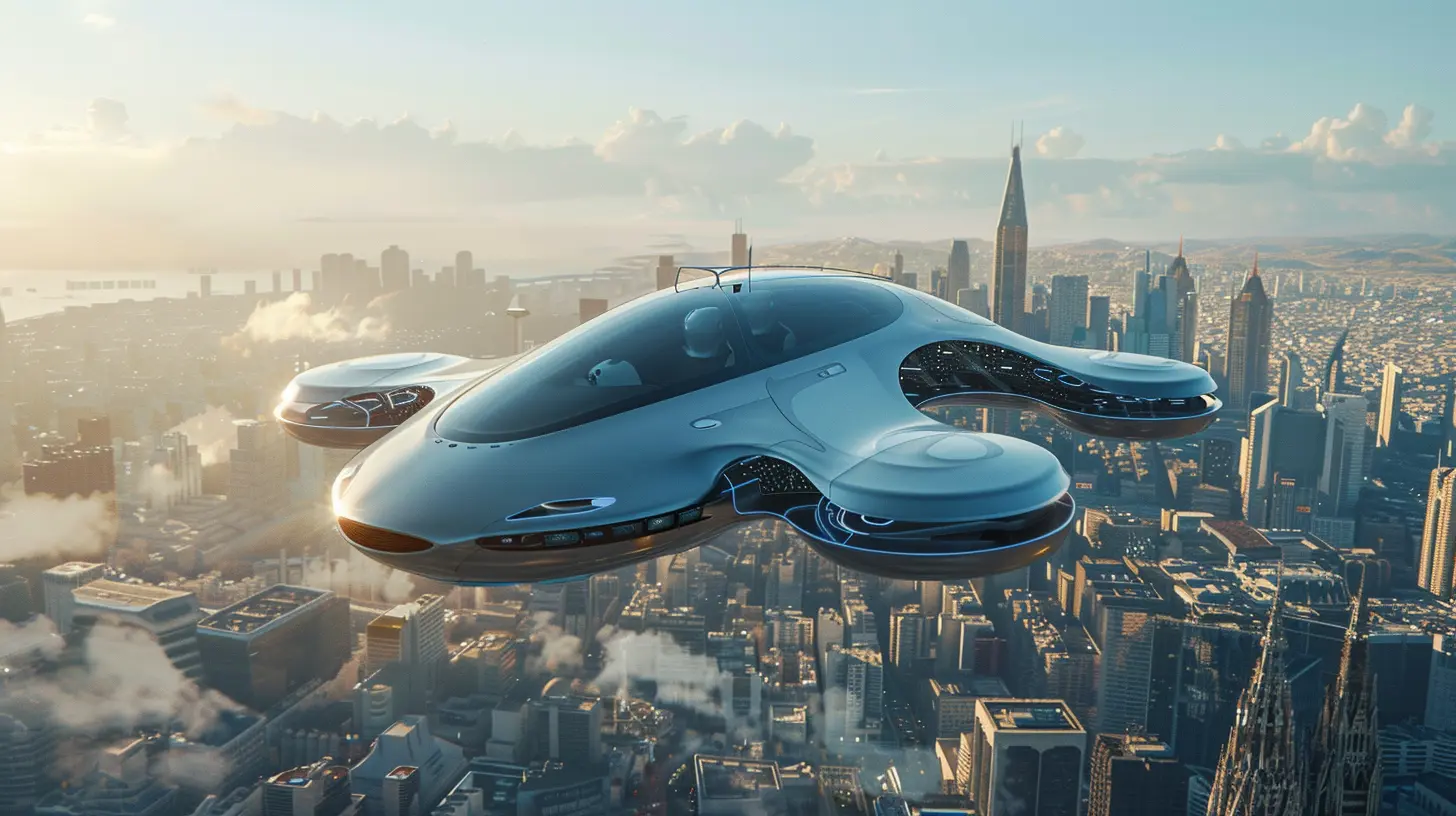
Who’s Leading the Race?
Several companies are already testing working prototypes, and big names are investing heavily in airborne mobility. Some of the frontrunners include:- AirCar by Klein Vision – A real flying car that transforms from a car into an aircraft in minutes.
- Joby Aviation – Developing an electric air taxi service with long-range eVTOLs.
- Urban Aeronautics CityHawk – A futuristic VTOL designed for medical and emergency services.
- Hyundai and Uber Elevate – A partnership aiming to develop a flying taxi network in major cities.
Governments and regulatory bodies are also showing interest, which means this isn’t just a pipe dream anymore.
Will Flying Cars Ever Become Mainstream?
Now, the big question—will we ever live in a world where flying cars are as common as regular ones?The truth? Not anytime soon.
Despite impressive advances, flying cars won’t replace traditional vehicles overnight. Instead, they’ll likely start as luxury transport options, catering to high-end business travel and emergency services. Over time, as costs drop and regulations catch up, wider adoption could happen.
Realistically, we’re still at least two to three decades away from flying cars becoming mainstream, if not longer. But that doesn’t mean they won’t play a significant role in the future of transportation.
Final Thoughts: Hype vs. Reality
Flying cars have always been a fascinating dream, but making them an everyday reality is an entirely different ballgame. While technology is catching up, the hurdles—safety, infrastructure, and regulations—are just as significant.So, are they a fact or a persistent fantasy for tomorrow?
Right now, they’re a little bit of both. The foundation is being laid, but we still have a long road (or sky) ahead before we see cities filled with flying cars. For now, we’ll have to keep dreaming—and maybe rewatch Back to the Future while we wait.
all images in this post were generated using AI tools
Category:
Future TechAuthor:

John Peterson
Discussion
rate this article
2 comments
Lara Good
Flying cars aren’t just a fantasy; they're the next leap in innovation, transforming our world and igniting the future of mobility!
February 23, 2026 at 9:29 PM
John Peterson
While flying cars hold exciting potential, significant technological, regulatory, and safety challenges remain. They're a fascinating vision for the future, but reality is still catching up.
Cody McCollum
In skies where dreams take flight, Wings of hope and metal bright, A dance of future, bold and grand— Are flying cars a promise planned? Between the stars and earth we roam, A fantasy, or near to home?
January 8, 2026 at 3:54 AM
John Peterson
Flying cars remain a tantalizing blend of aspiration and innovation, with advancements in technology suggesting they may soon transition from fantasy to reality.