How Programming Languages Are Becoming More Environmentally Efficient
23 November 2026
As the world grapples with climate change, the tech industry is beginning to recognize the need for sustainable practices. This shift is not only about energy-efficient data centers or eco-friendly hardware; it extends to the very code that powers our applications. In this context, programming languages are evolving to become more environmentally efficient, addressing the growing concern over the carbon footprint of software development. This article delves into how programming languages are adapting, the trade-offs involved, and practical steps developers can take to contribute to a greener future.
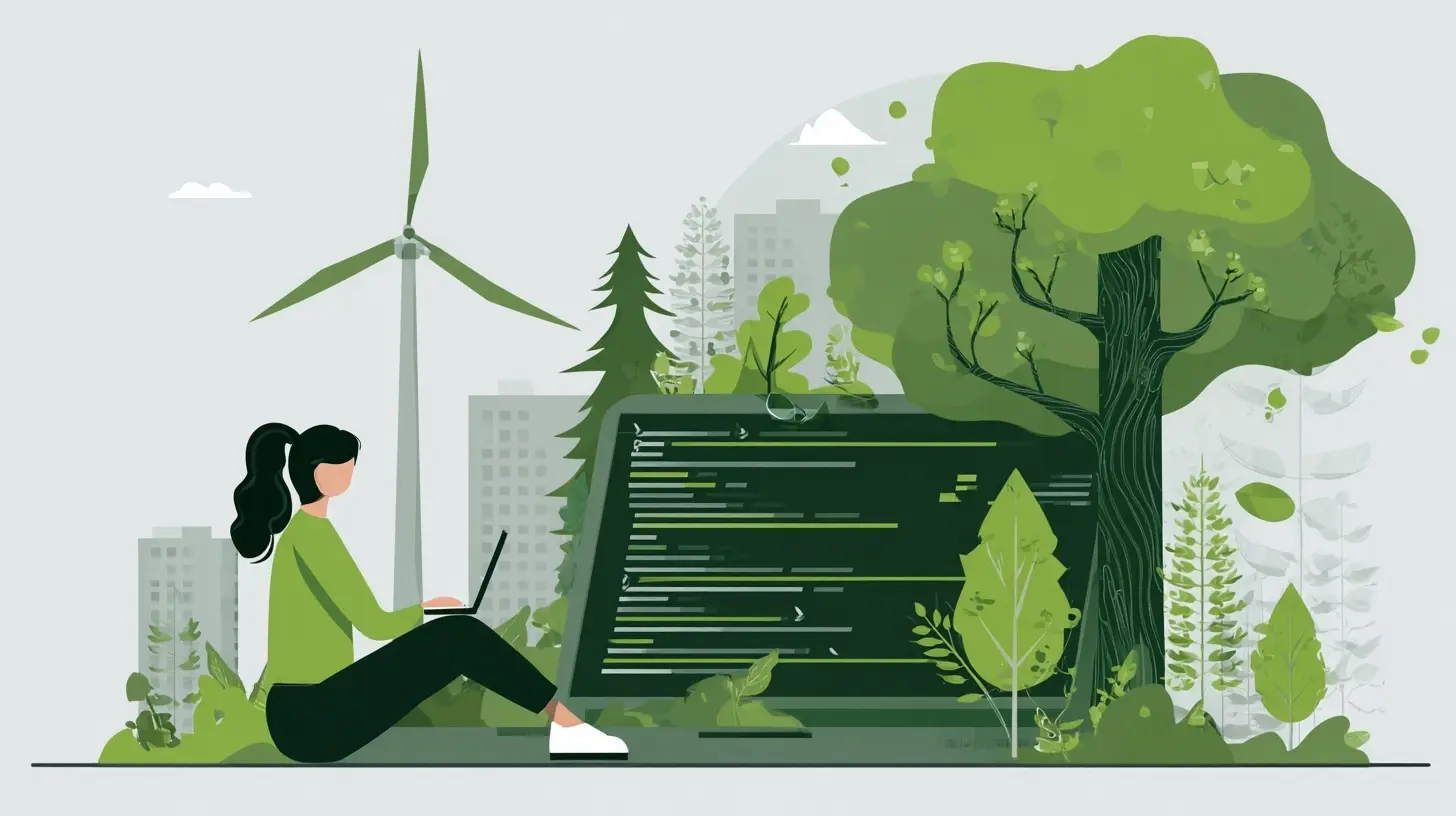
Understanding the Environmental Impact of Software
Before diving into how programming languages are becoming greener, it's crucial to understand the environmental impact of software itself. Each line of code contributes to energy consumption, whether it's running on a local machine, a cloud server, or an IoT device. According to some studies, data centers alone account for about two percent of the world's electricity usage, a figure that is expected to rise with the continued growth of cloud services and big data.The Energy Cost of Code Execution
The execution of code consumes power, and this consumption varies significantly depending on the language and the efficiency of the code itself. Languages like Python, while versatile and easy to use, often produce slower execution times compared to compiled languages like C or Rust. This difference can lead to increased energy consumption, especially in large-scale applications where efficiency matters.Example: Python vs. C
Consider a simple task such as sorting a large dataset. A Python implementation may take longer to execute compared to a C implementation due to Python's interpreted nature. While the code in Python might be easier to write and maintain, the increased running time translates to higher energy use. When running millions of instances of this code in a cloud environment, the impact on energy consumption can be significant.
The Role of Programming Languages in Reducing Impact
Programming languages are becoming more environmentally efficient through various mechanisms. From improved compiler optimizations to language features that promote efficient coding practices, developers now have the tools to write greener code.Compiler Optimizations
Modern compilers for languages like C, C++, and Rust have become increasingly sophisticated. They can optimize code during the compilation process, transforming high-level code into machine code that runs more efficiently. These optimizations can include inlining functions, loop unrolling, and dead code elimination, all of which can lead to reduced execution time and lower energy consumption.Real-World Example: Rust
Rust is a programming language that emphasizes performance and safety. Its compiler not only focuses on preventing runtime errors but also optimizes for speed and resource efficiency. Applications built in Rust often use less memory and CPU resources compared to those written in less efficient languages, thus contributing to lower energy consumption.Language Features Promoting Efficiency
Some languages incorporate features that inherently encourage efficient coding practices. For instance, functional programming languages like Haskell and Scala promote immutability and stateless design, which can lead to more predictable and optimized resource usage.Case Study: Haskell
Haskell's lazy evaluation mechanism allows for computations to be deferred until absolutely necessary. This feature can lead to significant energy savings, particularly in scenarios where only a subset of data is needed. Developers can write code that only processes the data required at any given moment, reducing unnecessary computation and energy use.
Choosing the Right Language for the Task
When considering the environmental impact of programming languages, the choice of language for a specific task becomes paramount. Not all languages are created equal in terms of performance and energy consumption.Trade-offs in Language Choice
1. Performance vs. Readability: Languages like Python prioritize developer productivity and code readability over raw performance. While they may lead to higher energy consumption, they also allow for quicker development cycles. This trade-off can be worth it in scenarios where speed to market is critical.2. Compiled vs. Interpreted Languages: Compiled languages typically offer better performance because they translate code into machine language before execution. This efficiency can lead to lower energy costs. However, interpreted languages often provide flexibility and ease of use, which can benefit smaller projects or prototypes.
Best Practices for Language Selection
When selecting a language for a project, consider the following:- Project Scope: For large-scale applications requiring high performance, consider using compiled languages like C, C++, or Rust. For smaller scripts or prototypes, interpreted languages like Python or Ruby may suffice.
- Ecosystem and Libraries: Evaluate the libraries and frameworks available for each language. A robust ecosystem can lead to more efficient solutions and reduce development time.
- Team Expertise: The experience level of your team with specific languages can significantly impact the overall efficiency of the development process. A well-versed team can optimize code better, regardless of the language used.

Optimizing Existing Codebases
For organizations with existing codebases, transitioning to more efficient practices can seem daunting. However, small optimizations can yield significant environmental benefits.Refactoring for Efficiency
Refactoring code to enhance efficiency is a vital step in reducing energy consumption. This process may involve:1. Eliminating Redundant Code: Removing unnecessary computations or functions that are never called can reduce execution time.
2. Optimizing Algorithms: Reviewing and optimizing algorithms to ensure they are the most efficient for the task can lead to lower resource usage.
3. Memory Management: Language features that allow for better memory management, such as garbage collection in Java or manual management in C++, can significantly affect performance and resource consumption.
Example: Refactoring in Python
A common issue in Python applications is the use of inefficient data structures. For instance, using a list where a set would suffice can lead to increased lookup times and memory usage. By refactoring the code to utilize more appropriate data structures, developers can enhance performance and reduce the environmental impact.The Future of Environmentally Efficient Programming
As the conversation around climate change intensifies, the tech industry must adapt. The future of environmentally efficient programming lies in several key areas.Emerging Technologies and Languages
New programming languages and frameworks are being developed with sustainability in mind. Languages like Elixir and Kotlin are designed to be efficient, both in their execution and their ease of use. As technology continues to evolve, we can expect to see more languages that prioritize environmental concerns.Sustainability in Software Development Practices
Beyond language choice, the practices surrounding software development are changing. Agile methodologies, DevOps, and continuous integration/continuous deployment (CI/CD) pipelines promote efficiency and rapid iteration. These practices can lead to less waste and more efficient use of resources.Collaborative Efforts in the Tech Community
The tech community is increasingly collaborating on sustainability initiatives. Open-source projects focused on reducing energy consumption and promoting environmentally friendly practices are gaining traction. Developers can participate in these initiatives to help drive change within the industry.
Conclusion
Programming languages are an essential part of the tech industry's transition toward sustainability. By choosing the right languages, optimizing existing codebases, and adopting best practices, developers can significantly reduce the environmental impact of their software. The journey toward greener programming is ongoing, and every line of code can contribute to a healthier planet.In this evolving landscape, staying informed and proactive is key. As technologies develop and new languages emerge, the opportunity to create a more sustainable future through efficient programming practices will only grow. The responsibility lies with developers to embrace these changes and lead the way in making software development more environmentally conscious.
all images in this post were generated using AI tools
Category:
Programming LanguagesAuthor:

John Peterson