How to Properly Clean and Maintain Your Headphones
1 June 2026
Headphones are an essential part of our daily lives, whether you're commuting, working out, or just enjoying your favorite music at home. However, they can quickly become grimy, filled with earwax, dust, and even bacteria if not cleaned regularly. Not only does this affect hygiene, but it can also impact audio quality over time.
In this guide, we'll break down the best ways to clean and maintain your headphones to keep them in top-notch condition. Whether you're using earbuds, over-ear headphones, or gaming headsets, we've got you covered.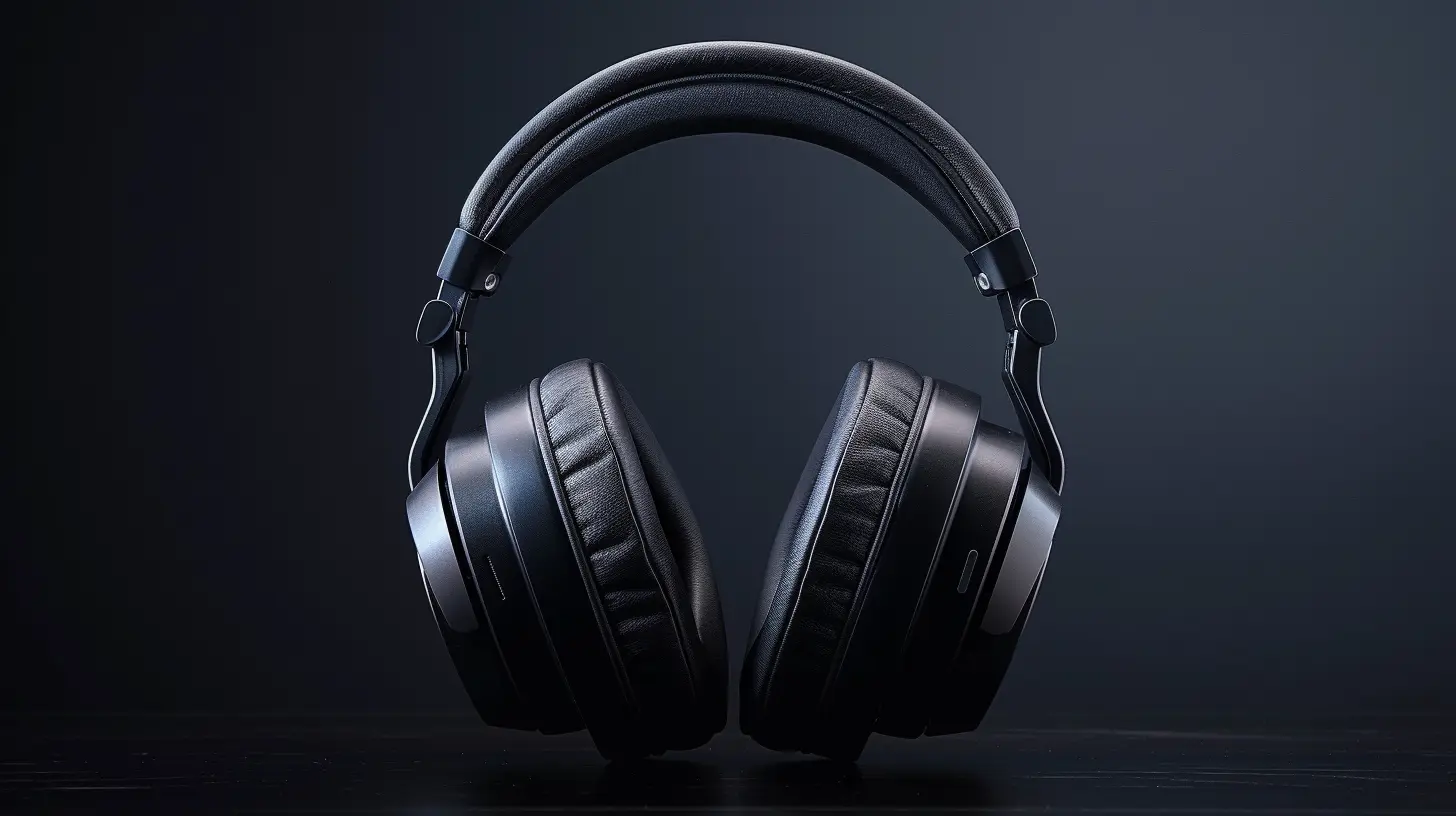
Why Cleaning Your Headphones Matters
Before diving into the "how," let's talk about why you should even bother cleaning your headphones in the first place.- Better Sound Quality – Dirt and debris can clog the speaker mesh, reducing sound clarity.
- Improved Hygiene – Unclean headphones can harbor bacteria, leading to potential ear infections.
- Extended Lifespan – Regular maintenance helps prevent wear and tear, saving you from buying new headphones too soon.
- Enhanced Comfort – Accumulated grime on ear pads or tips can make wearing headphones uncomfortable.
Now that you know why cleaning matters, let’s get into how to do it properly.
How to Clean Your Headphones Safely
Different types of headphones require different cleaning methods. Let’s tackle each one separately.Cleaning Your Earbuds (In-Ear Headphones)
Earbuds tend to get dirty quickly because they sit inside your ears, collecting wax and dirt. Here’s how you can clean them properly:What You’ll Need:
- Cotton swabs- Isopropyl alcohol (at least 70%)
- A soft toothbrush
- A microfiber cloth
Step-By-Step Cleaning Process:
1. Remove the Ear Tips – If your earbuds have silicone or foam tips, take them off and soak them in warm soapy water for a few minutes.2. Clean the Earbud Mesh – Use a dry toothbrush to gently remove debris from the speaker mesh.
3. Disinfect with Alcohol – Dip a cotton swab in isopropyl alcohol and carefully wipe around the earbuds. Avoid soaking them.
4. Dry and Reassemble – Let everything air dry completely before putting the ear tips back on.
Cleaning Over-Ear and On-Ear Headphones
Over-ear headphones are less prone to earwax buildup but still collect sweat, dust, and oils from your skin. Here’s how to clean them:What You’ll Need:
- A microfiber cloth- Mild soap solution
- Cotton swabs
- Isopropyl alcohol
Step-By-Step Cleaning Process:
1. Wipe Down the Headband and Ear Cups – Use a damp microfiber cloth with a bit of mild soap to remove dirt and oils.2. Clean the Ear Pads – If they’re removable, wipe them with a slightly damp cloth and let them air dry.
3. Disinfect the Surfaces – Use a cotton swab dipped in alcohol to clean areas that touch your skin, killing bacteria.
4. Check the Speaker Grills – A dry toothbrush can help loosen any lodged dirt.
Cleaning Wireless and Wired Headphone Cables
Even if you don’t think about them, headphone cables accumulate grime over time. Here’s how to keep them clean:1. Wipe with a Damp Cloth – Use a microfiber cloth slightly dampened with soapy water to clean the length of the cable.
2. Use Alcohol for Stubborn Dirt – For sticky residue, wipe cables with a cloth dipped in isopropyl alcohol.
3. Avoid Twisting and Tangling – Store them neatly to prevent damage and tangling.
How to Maintain Your Headphones for Longevity
Cleaning your headphones is only half the battle—properly maintaining them ensures they last for years.1. Store Them Properly
- Use a case to protect them from dust and accidental drops.- Never toss them loosely in a bag—this can damage cables and ear pads.
2. Avoid Extreme Temperatures
- Heat can damage battery life in wireless headphones.- Cold temperatures can make plastic parts brittle and prone to breaking.
3. Keep Them Dry
- Sweat and moisture can seep into headphones and cause internal damage.- If they get wet, wipe them down and let them air dry completely before use.
4. Handle the Cable with Care
- Never pull from the cable when unplugging—always grab the plug.- Wrap cables loosely instead of excessively coiling them tightly.
How Often Should You Clean Your Headphones?
How often you should clean your headphones depends on how frequently you use them. Here’s a general guideline:- Daily users: Wipe down the surface once a week and deep clean every two weeks.
- Casual listeners: Deep cleaning once a month should be fine.
- Workout users: Since sweat accelerates grime buildup, clean after every workout.
Common Mistakes to Avoid When Cleaning Headphones
Despite good intentions, some cleaning practices can actually harm your headphones. Steer clear of these common mistakes:- Avoid using too much water – Moisture can seep into internal components and cause malfunctions.
- Don't use harsh chemicals – Bleach or ammonia-based cleaners can degrade materials.
- Never submerge your headphones – Even water-resistant headphones are not designed to be fully submerged.
- Skipping regular cleaning – Letting grime build up makes it harder to clean later and could damage your headphones.
Final Thoughts
Taking care of your headphones isn’t rocket science, but it does require a little effort. Regular cleaning keeps them looking great, sounding amazing, and lasting much longer. Whether you're a casual listener or an audiophile, a little maintenance goes a long way in preserving your investment.So, the next time you reach for your headphones, take a quick moment to check if they need a good clean—it’ll be worth it!
all images in this post were generated using AI tools
Category:
HeadphonesAuthor:

John Peterson
Discussion
rate this article
1 comments
Karly McEachern
Regular cleaning enhances audio quality significantly.
June 3, 2026 at 3:09 AM
John Peterson
Absolutely, regular cleaning is crucial. It really does make a noticeable difference in sound quality.