The Future of Autonomous Vehicles: What to Expect
20 January 2026
Self-driving cars used to be the stuff of science fiction. But today, they're a reality—constantly evolving with each software update and technological breakthrough. The future of autonomous vehicles (AVs) is both exciting and unpredictable, with the potential to transform how we commute, travel, and even ship goods.
So, what can we expect in the coming years? Will we see a surge in driverless taxis? Will car ownership become obsolete? Let’s dive into the world of autonomous vehicles and discuss where we’re headed.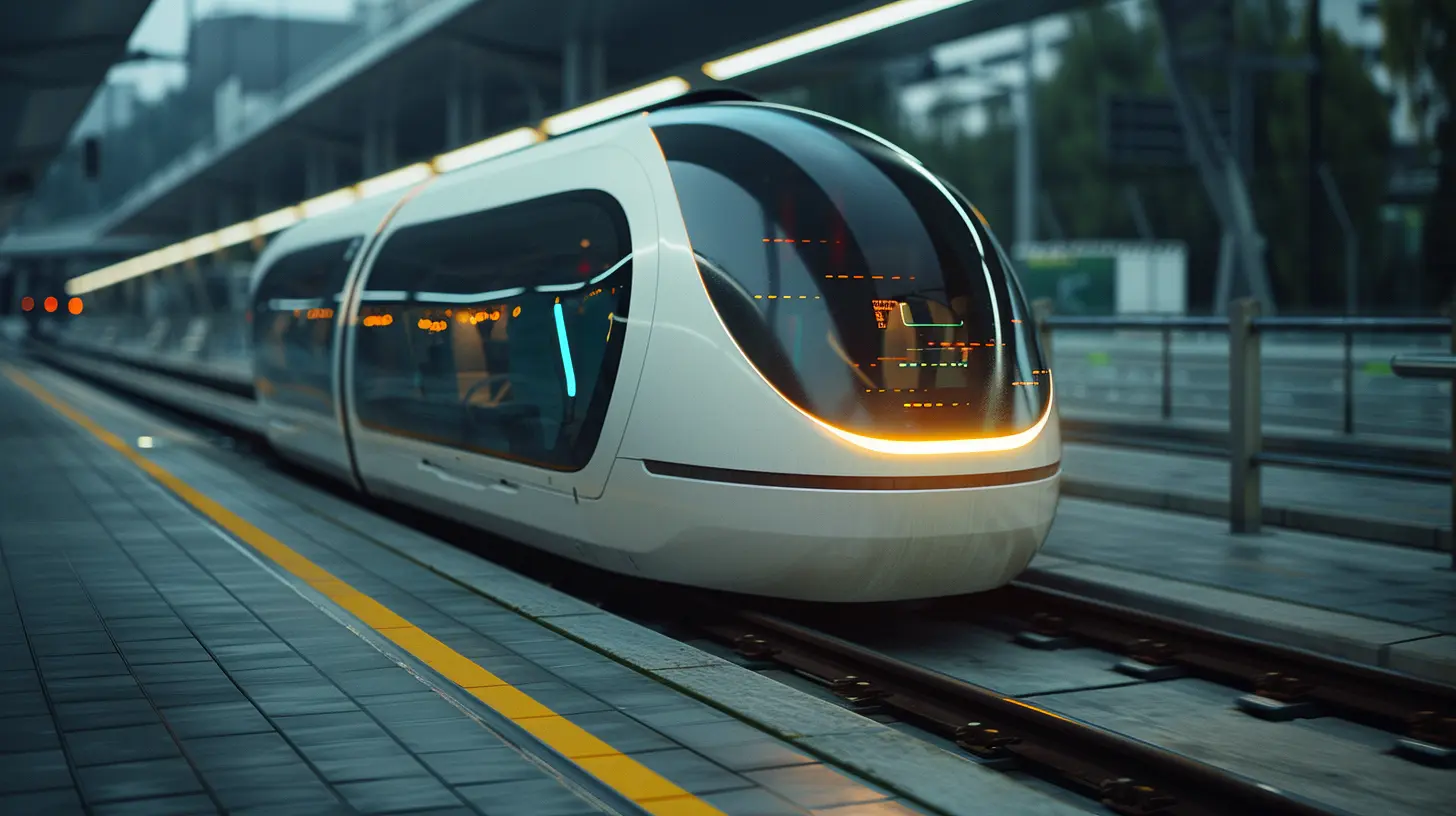
The Current State of Autonomous Vehicles
Autonomous vehicles have come a long way. Right now, companies like Tesla, Waymo, and Cruise are testing and deploying self-driving cars in cities worldwide.But we're not fully there yet. Most AVs on the road operate at Level 2 or Level 3 autonomy, meaning they still require human supervision. Level 5 autonomy—where a car drives entirely on its own—is still a work in progress.
That said, advancements in artificial intelligence (AI), machine learning, and sensor technology are getting us closer to the dream of fully autonomous transportation. 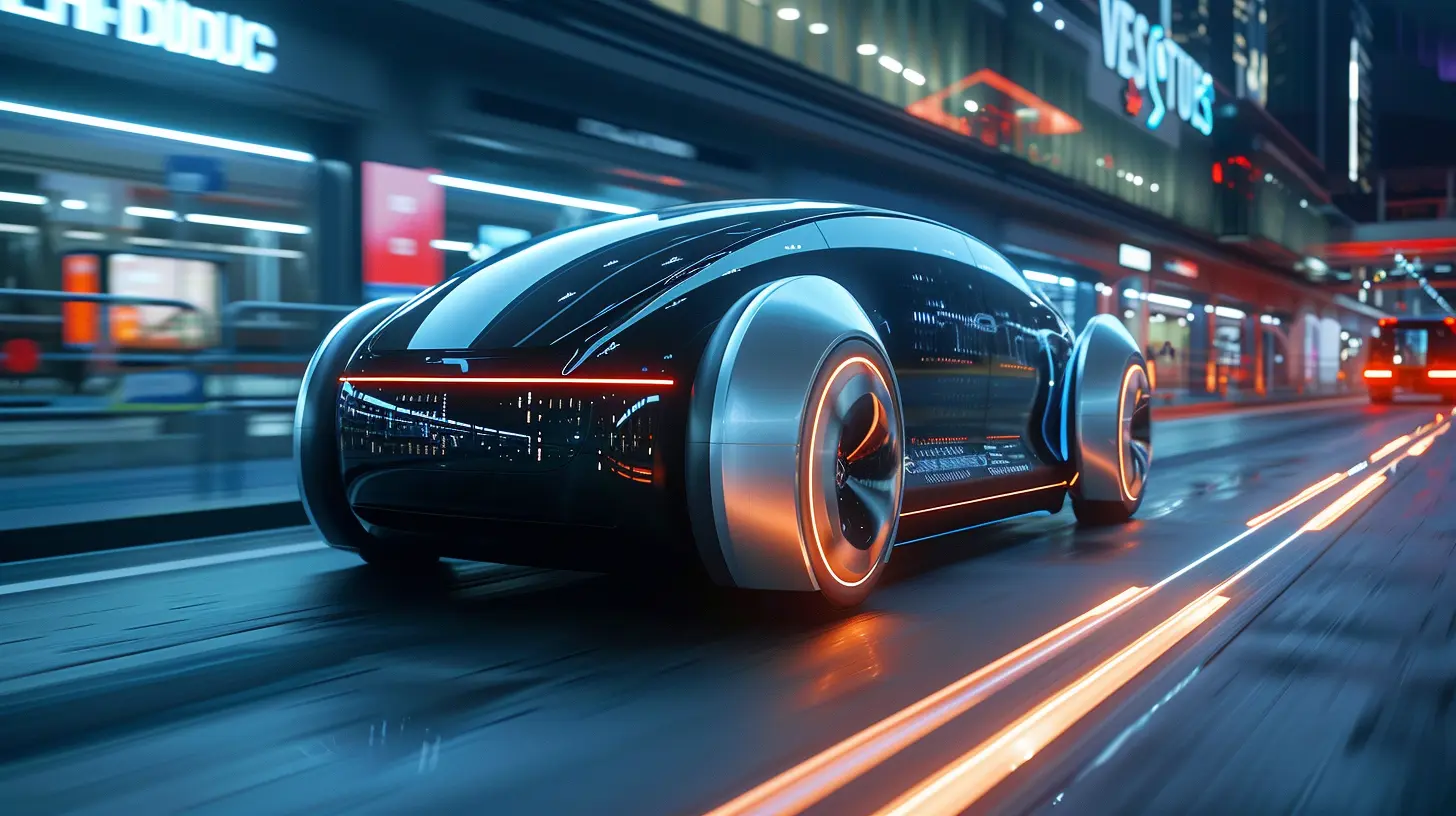
How Autonomous Vehicles Work
Before we jump into future predictions, let’s break down how these futuristic cars operate.1. Sensors and Cameras
AVs rely on a mix of LiDAR (Light Detection and Ranging), radar, and high-resolution cameras to perceive their surroundings. Think of them as the car’s "eyes," constantly scanning for pedestrians, vehicles, traffic lights, and obstacles.2. AI and Machine Learning
Self-driving cars process the data collected by sensors using advanced AI algorithms. These systems help the vehicle make split-second driving decisions, much like a human driver.3. Connectivity
Many AVs are now equipped with V2X (Vehicle-to-Everything) communication, allowing them to "talk" to other cars, traffic signals, and even pedestrians. This enhances safety and reduces accidents.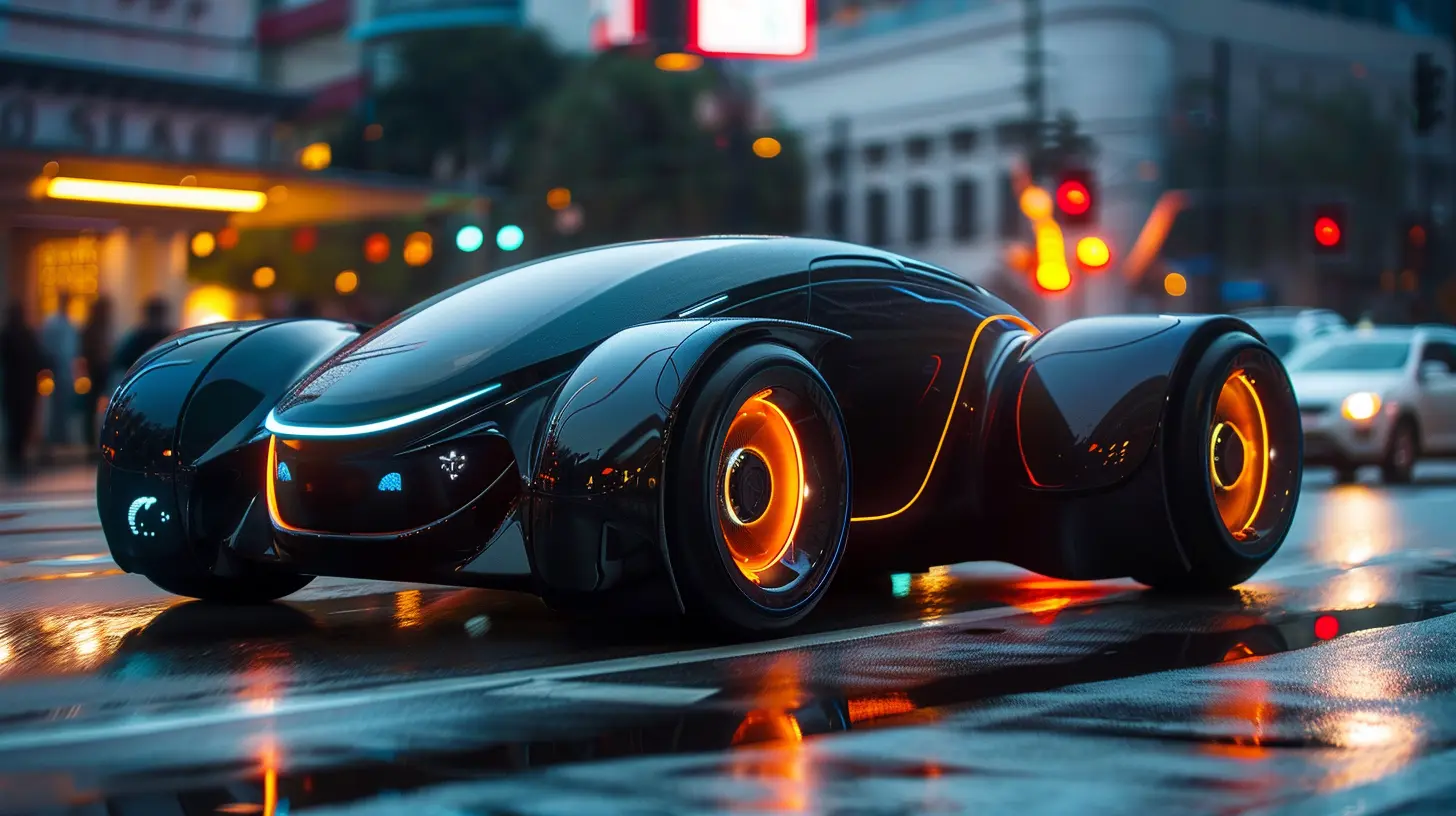
5 Big Predictions for the Future of Autonomous Vehicles
So, what’s next? Here are some major expectations for the future of AVs:1. Driverless Ride-Sharing Will Become Mainstream
Companies like Uber and Waymo are already investing heavily in autonomous taxi fleets. Imagine a future where you summon a self-driving car through an app, just like you do today with Uber or Lyft—except there's no driver at all.This could significantly lower ride costs (since there’s no driver to pay), reduce traffic congestion, and make transportation more efficient.
2. Personal Car Ownership Will Decline
Why own a car when you can summon one anytime? As AVs become more accessible and affordable, many experts believe personal vehicle ownership might become unnecessary.Instead of spending money on car insurance, maintenance, and fuel, people might opt for subscription-based or pay-per-ride transport solutions.
3. Fewer Traffic Accidents
One of the biggest promises of AVs is improved road safety. Currently, 94% of car accidents are caused by human error—things like speeding, distractions, or fatigue.Self-driving cars, equipped with AI-driven reflexes, never get distracted, tired, or reckless. With time, this could lead to a drastic decline in road fatalities.
4. Fully Autonomous Trucks and Delivery Vehicles
Imagine 18-wheelers driving themselves across highways or drones delivering packages to your doorstep. Companies like Tesla, TuSimple, and Waymo are already working on autonomous freight trucks.This revolution could help solve driver shortages in the trucking industry and make deliveries faster and cheaper.
5. Smarter and More Efficient Roads
Future AVs will likely integrate with "smart roads" that use AI-powered traffic signals, embedded sensors, and 5G connectivity to optimize traffic flow.Cities might even redesign roads to better accommodate autonomous traffic, reducing congestion and improving travel times. 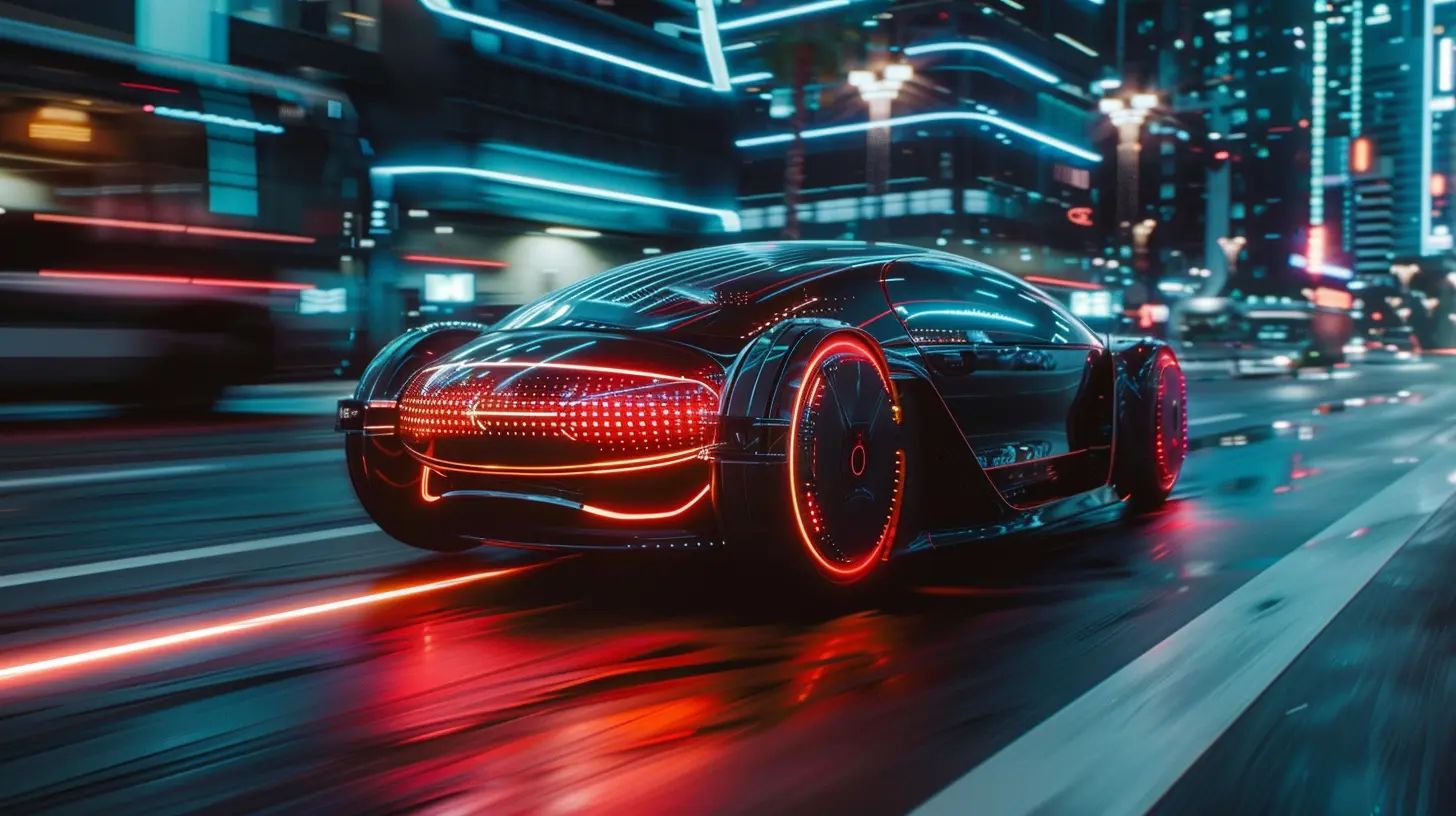
Challenges Autonomous Vehicles Still Face
As promising as AVs sound, they're not without challenges.1. Regulatory Hurdles
Governments worldwide are still figuring out how to regulate self-driving technology. Who's responsible if an AV crashes? What laws should apply to autonomous taxis? These are still unanswered questions.2. Cybersecurity Threats
With cars becoming more reliant on software, hacking risks increase. Self-driving cars need robust cybersecurity measures to prevent cyberattacks that could compromise passenger safety.3. High Costs and Infrastructure Needs
Developing and maintaining AVs isn't cheap. Widespread adoption will require major investments in infrastructure, such as smart roads, charging stations for electric AVs, and high-speed communication networks.The Role of Artificial Intelligence in Self-Driving Cars
At the heart of autonomous vehicles is Artificial Intelligence (AI). Without AI, these cars wouldn't be able to make quick, intelligent decisions on the road.How AI Powers Self-Driving Cars
- Perception: AI helps the car "see" by analyzing real-time data from cameras, LiDAR, and sensors.- Decision-Making: AI processes this information to determine the safest driving action.
- Path Planning: AI calculates the best route, avoiding traffic congestion and road hazards.
With continual advancements, AI-driven self-driving cars will only get smarter, safer, and more efficient in the future.
Ethical Considerations in Autonomous Vehicles
The rise of AVs presents ethical dilemmas. For instance:- Who gets priority in an unavoidable accident? Should an AV prioritize passenger safety over pedestrians?
- Will autonomous driving put millions of jobs at risk? Many truck drivers, taxi drivers, and delivery personnel might lose their jobs as AVs take over transportation.
These are tough questions that policymakers, ethicists, and tech giants must address before AVs become the norm.
When Will Fully Autonomous Vehicles Take Over?
So, when will we start seeing Level 5 self-driving cars everywhere?Experts predict that fully autonomous vehicles might be widely available by 2035 or beyond. But key factors—such as regulations, public trust, and infrastructure—will determine the actual timeline.
For now, AVs will continue to evolve, gradually reducing human involvement in driving while making our roads safer and transportation more efficient.
Final Thoughts: The Road Ahead
The future of autonomous vehicles is bright, but it's not without obstacles. While technology is rapidly advancing, regulatory frameworks, public acceptance, and security concerns still need to be resolved.That said, AVs have the potential to reshape urban mobility, enhance road safety, and revolutionize industries like transportation and logistics. Whether it's five years or twenty, one thing is clear: self-driving cars are here to stay, and they’re only getting better.
Buckle up—the ride to the future is just getting started!
all images in this post were generated using AI tools
Category:
Autonomous VehiclesAuthor:

John Peterson
Discussion
rate this article
2 comments
Arianth Murphy
Can’t wait for my car to argue with the GPS for me!
March 1, 2026 at 4:18 AM
John Peterson
Glad to hear you're excited! The future of autonomous vehicles promises a lot of fascinating interactions, including GPS navigation and real-time decision-making. Stay tuned!
Maribel McManus
Exciting journey ahead; innovation awaits us!
January 26, 2026 at 12:04 PM
John Peterson
Thank you! We're indeed on the brink of transformative changes in transportation. Exciting times ahead!