The Intersection of Machine Learning and Robotic Process Automation
30 May 2026
Have you ever wondered what happens when two of the hottest technologies—Machine Learning (ML) and Robotic Process Automation (RPA)—join forces? Well, it's like peanut butter meeting jelly: individually great, but together? Absolute magic.
In the fast-paced world of tech, businesses are scrambling to streamline operations, cut costs, and boost efficiency. That's where the dynamic duo of ML and RPA steps in. These game-changers are revolutionizing industries, automating tedious tasks, and even making AI-powered decisions faster than ever before.
So, buckle up! We're diving into the exciting intersection of Machine Learning and Robotic Process Automation and why this combo is making waves across industries. 
What is Robotic Process Automation (RPA)?
First things first—what exactly is RPA?Imagine having a digital employee that never sleeps, never complains, and executes repetitive tasks with absolute precision. That's essentially what RPA does. It uses software robots (a.k.a. "bots") to automate rule-based, repetitive business processes.
Think of tasks like:
- Data entry
- Invoice processing
- Customer service chatbots
- Report generation
RPA mimics human actions, interacting with applications just like an employee would—but way faster and without errors. 
What is Machine Learning (ML)?
Now, let’s talk about ML. If RPA is the hard-working machine, ML is the brain behind the operation.Machine Learning is a branch of AI that enables computers to learn from data and make decisions without explicit programming. Instead of manually telling a system what to do in every scenario, ML algorithms recognize patterns and improve performance over time.
Ever noticed how Netflix recommends shows you'll probably love? Or how Gmail suggests replies to your emails? That’s ML in action! 
The Power of Combining ML and RPA
On their own, both RPA and ML are incredibly useful. But together? They create an unstoppable force that takes automation to the next level.Think of RPA as a high-speed assembly line worker that follows instructions perfectly. ML, on the other hand, is like an experienced supervisor who refines and improves those instructions based on real-world data.
By integrating ML with RPA, businesses unlock:
1. Intelligent Automation
Traditional RPA is “dumb.” It follows predefined rules but lacks the ability to adapt. Adding ML allows bots to make data-driven decisions, handle exceptions, and learn from patterns over time.For example, an RPA bot might process invoices perfectly... until it encounters an unfamiliar format. With ML, the bot can analyze past invoices, recognize the pattern, and process the new one without human intervention.
2. Enhanced Decision-Making
Basic RPA is like a loyal assistant—it does what it’s told but doesn’t think. When combined with ML, it doesn’t just execute tasks; it predicts outcomes and optimizes business processes.Take customer service chatbots, for example. Traditional RPA-powered bots follow a script, while ML-powered bots analyze sentiment, predict customer needs, and provide personalized responses.
3. Reduced Errors and Cost Savings
Human errors cost businesses billions every year. RPA eliminates manual mistakes, and ML makes automation smarter over time. Fewer errors mean less rework, saving time and money.Finance, healthcare, and insurance industries, in particular, are benefiting from this duo, ensuring compliance while reducing manual labor.
4. Improved Data Processing and Analytics
RPA can scrape, collect, and organize massive amounts of data. ML then steps in to analyze and derive insights from that data. Together, they provide deep business intelligence without the need for a human analyst.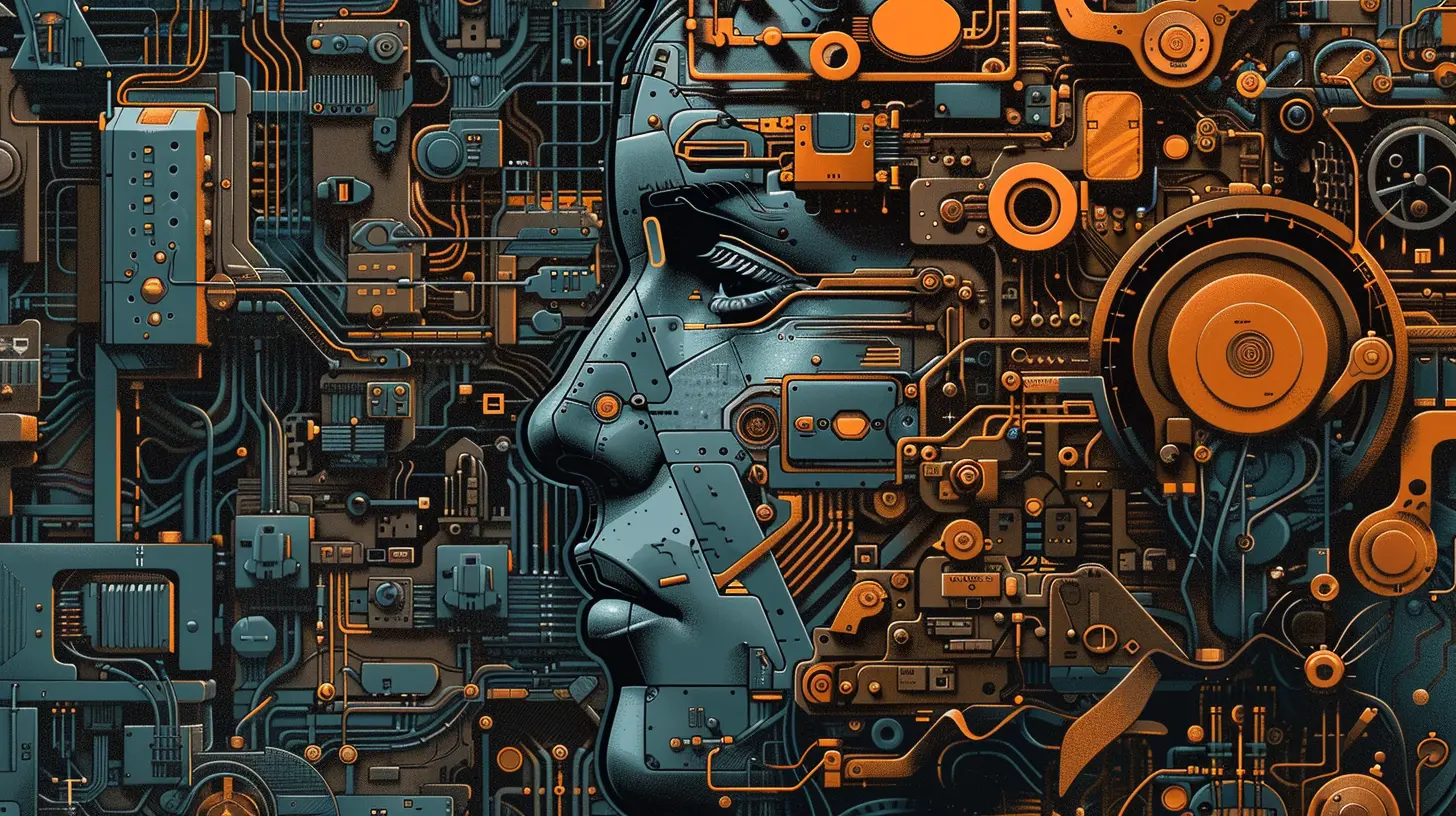
Real-World Applications of ML and RPA
This isn't just a futuristic concept—it’s already being used by major companies worldwide. Let’s take a look at some real-world applications where ML and RPA are changing the game.1. Banking and Finance
Banks deal with an overwhelming amount of transactions daily. RPA automates tasks like processing loan applications and fraud detection, while ML helps identify suspicious activities that deviate from normal transaction behavior.Imagine having an AI-powered fraud detection system that blocks unauthorized transactions before they even happen—now that's next-level security.
2. Healthcare Industry
From automating patient record management to predicting disease outbreaks, ML and RPA are transforming healthcare.For example, hospitals use this combo to automate insurance claims processing while also analyzing patient data to identify potential health risks. Faster, more efficient, and potentially life-saving!
3. Retail and E-commerce
Ever received a personalized product recommendation while shopping online? That’s ML at work.Retailers use RPA to automate inventory management, while ML predicts consumer behavior, optimizing everything from pricing strategies to supply chain management.
4. Human Resources (HR)
Recruiters often have to sift through thousands of resumes—RPA speeds up this process, but ML ensures the best candidates are selected based on historical hiring patterns.Plus, chatbots powered by ML and RPA handle initial candidate screenings, schedule interviews, and even answer HR-related questions.
5. Insurance Claims Processing
Filing an insurance claim used to take forever. Now, ML and RPA work together to verify claims, assess risks, and automate payments, making the process smoother than ever.Challenges in Implementing ML and RPA
Of course, no technology is perfect. As mind-blowing as ML and RPA are, they do come with some challenges.1. High Initial Costs
Implementing RPA and ML can be expensive, especially for small businesses. The upfront investment in infrastructure, training, and integration can be a hurdle.2. Complexity in Integration
RPA and ML need to work seamlessly with existing systems, but integrating them with outdated software can be challenging. Companies must fine-tune processes to ensure smooth automation.3. Data Privacy and Security Risks
More automation means handling sensitive data. Businesses must ensure they follow strict security protocols to prevent breaches while complying with data privacy laws.4. Workforce Resistance
People fear that automation will take their jobs. While automation does eliminate repetitive tasks, it also creates new opportunities—companies must focus on reskilling employees to work alongside AI-driven systems.The Future of ML and RPA
So, what’s next? Are we looking at a future where machines handle everything, leaving humans twiddling their thumbs? Not quite.The goal isn't to replace humans but to enhance our efficiency. In the coming years, expect even smarter automation, seamless AI-driven decision-making, and more businesses leveraging ML and RPA to optimize their operations.
With advancements in natural language processing (NLP) and deep learning, we’ll likely see more human-like AI interactions, even in complex business processes.
Conclusion
The intersection of Machine Learning and Robotic Process Automation is a total game-changer. While RPA handles repetitive tasks like a pro, ML brings intelligence into the mix, making automation smarter, faster, and more efficient than ever before.From banking and healthcare to retail and HR, this powerful duo is shaping the future of business. Sure, there are challenges, but the benefits far outweigh them.
So, the next time you hear "intelligent automation," just know—it’s not some sci-fi fantasy. It’s happening right now, and it’s making life a whole lot easier for businesses and customers alike.
all images in this post were generated using AI tools
Category:
Robotic Process AutomationAuthor:

John Peterson
Discussion
rate this article
1 comments
Mila McGovern
The fusion of machine learning and robotic process automation offers transformative potential, but organizations must navigate challenges like data quality and ethical implications carefully.
June 1, 2026 at 12:47 PM
John Peterson
Absolutely. Balancing innovation with responsibility is key as we harness this potential.