The Power of Integration in Modern SaaS Platforms
12 August 2026
The software-as-a-service landscape has matured far beyond the era of single-purpose tools. A decade ago, a company might have subscribed to a CRM, a separate accounting package, and a project management app, each operating in its own silo. Today, the expectation is different. Businesses do not want more tools; they want a cohesive system where data flows freely between the applications they already use. Integration is no longer a nice-to-have feature or a technical afterthought. It is the structural backbone that determines whether a SaaS platform delivers real value or simply becomes another monthly subscription that requires manual data entry and constant context switching.
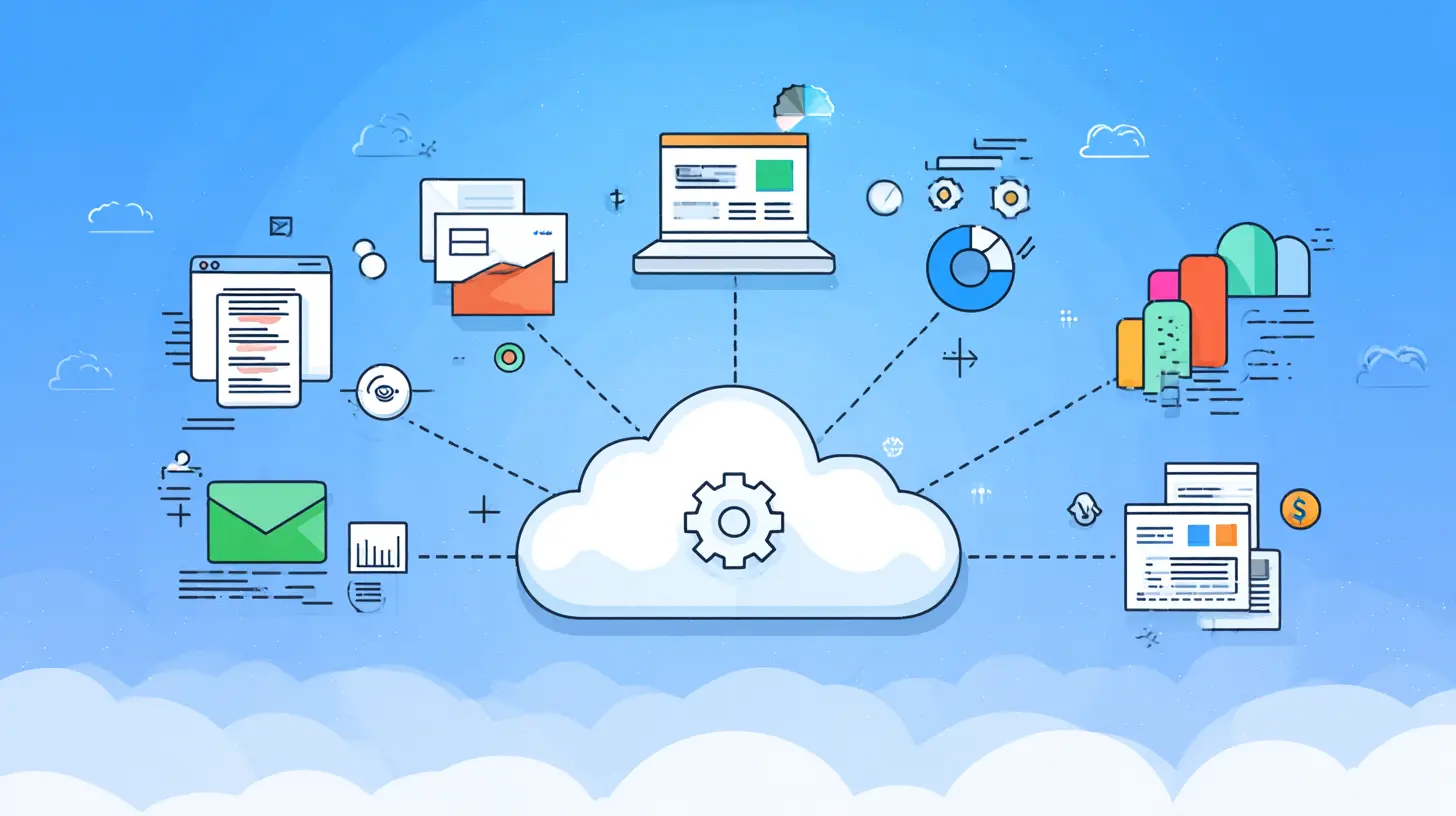
The shift toward integration-first architecture is not accidental. It is a direct response to the operational reality that no single software can solve every problem for a modern organization. A marketing team needs customer data from sales, a finance team needs billing events from the product, and a support team needs usage history from engineering. When these systems do not communicate, the organization suffers from fragmented visibility, duplicated work, and decisions based on stale information. The power of integration lies in its ability to turn a collection of point solutions into a unified operational fabric.

Why Integration Defines Platform Value
The value of a SaaS platform is rarely measured by its feature list alone. Most competitors in a given category offer similar core functionality. The differentiator is how well the platform fits into the existing technology ecosystem of the customer. An integration is not just a technical connection; it is a bridge that allows the platform to participate in a larger workflow. A project management tool that syncs with Slack, Jira, and Google Drive is more valuable than an identical tool that requires users to switch tabs constantly. The integrated tool becomes part of the daily rhythm of work, while the isolated tool becomes an obstacle.This is why platform vendors invest heavily in building and maintaining integrations. The goal is to reduce the friction between the platform and the rest of the customer's stack. When a CRM automatically updates a customer record based on an invoice from the billing system, the user does not need to think about the data transfer. The platform absorbs that complexity. The result is a faster, more accurate workflow that feels effortless. That feeling of effortlessness is the true product. It is what turns a functional tool into an indispensable one.
But there is a deeper layer to this. Integration is not just about convenience; it is about enabling new capabilities that were not possible before. Consider a support ticketing system that integrates with a product analytics tool. The support agent can see exactly which features the customer has used before opening a ticket. That context allows the agent to provide targeted help instead of asking basic questions. The integration has transformed the support interaction from a reactive exchange into a proactive problem-solving session. That transformation is the real power of integration, and it cannot be achieved by any single tool working in isolation.
The Architecture of Modern Integration
Modern integrations are not simple point-to-point connections. They are built on a variety of architectural patterns, each with its own trade-offs. Understanding these patterns is essential for anyone evaluating a SaaS platform or designing an integration strategy.Native Integrations vs. Third-Party Connectors
The most straightforward approach is a native integration, where the SaaS vendor builds and maintains a direct connection to another platform. Native integrations are typically deep, reliable, and well-documented. They are designed to work seamlessly with the vendor's own interface, and they often include features like automatic field mapping and real-time sync. The downside is that the vendor can only support a limited number of native integrations. Maintaining each one requires resources, and the integration can break when the other platform changes its API.Third-party connectors, such as those provided by integration platforms as a service (iPaaS), offer a different trade-off. An iPaaS like Zapier, Make, or Workato allows users to connect hundreds of applications without writing custom code. These connectors are often shallower than native integrations, but they are far more flexible. They can handle custom mappings, multi-step workflows, and conditional logic. The downside is that the user may need to manage the integration themselves, and the performance can be slower because data is routed through an intermediate service. For many small and medium-sized businesses, the trade-off is worth it because the flexibility outweighs the lack of depth.
API-First Design
The foundation of any integration is the application programming interface (API). A well-designed API is like a well-organized public square. It has clear entry points, predictable behavior, and comprehensive documentation. API-first design means that the vendor builds the API before the user interface, treating it as a first-class product rather than an afterthought. This approach has a profound effect on integration quality. When the API is the primary interface, it is more likely to be stable, consistent, and complete.API-first platforms also tend to be more future-proof. When a customer needs a custom integration that the vendor has not built, they can use the API to create it themselves. This is a powerful advantage. It means the platform can adapt to unique workflows without requiring the vendor to build a specific connector. The trade-off is that API-first platforms sometimes have a steeper learning curve for non-technical users. The interface may expose more technical details, which can be intimidating. However, for organizations with even a modest level of technical capability, the API is often the most valuable part of the platform.
Webhooks and Event-Driven Integration
Real-time integration is often achieved through webhooks. A webhook is a callback that the platform sends to another system when a specific event occurs. For example, when a new order is placed, the e-commerce platform sends a webhook to the inventory management system, which immediately updates stock levels. This event-driven model is more efficient than polling, where the inventory system would have to check for new orders every few seconds. Webhooks reduce latency and server load, but they require the receiving system to be available and to handle the incoming data correctly.Event-driven integration is particularly powerful for workflows that require immediate action. A payment failure notification, a new user signup, or a critical error alert all need to trigger responses in near real time. Webhooks make this possible. However, they also introduce complexity. If the receiving system is down, the webhook may be lost, and the integration may need a retry mechanism. Vendors that handle this well build in retry logic and provide a log of delivered events. Those that do not can cause silent data loss, which is a serious problem for business operations.

The Business Case for Integration
The technical benefits of integration are clear, but the business case is equally important. Integration directly impacts revenue, operational efficiency, and customer satisfaction.Reducing Manual Work and Errors
Every time a user manually copies data from one system to another, there is a risk of error. A typo in a customer email address, a missed decimal point in a financial figure, or a wrong date in a project timeline can cause cascading problems. Integration eliminates these risks by automating data transfer. The system does the work, and the system does not get tired or distracted. This leads to higher data quality, which in turn leads to better decision-making.The time savings are also significant. A sales representative who spends 20 minutes per day entering data into a CRM instead of focusing on selling is losing valuable productivity. Across a team of 50 salespeople, that is nearly 17 hours of lost selling time per day. Integration recovers that time. It is not just about speed; it is about reallocating human effort to tasks that require judgment, creativity, and relationship-building.
Creating a Single Source of Truth
When data is siloed, different departments have different versions of the truth. The sales team sees a customer as a potential deal, the finance team sees them as an invoicing entity, and the support team sees them as a set of open tickets. Without integration, these views are inconsistent. The sales team might be chasing a renewal while the support team is dealing with a critical outage that the sales team knows nothing about. Integration creates a single source of truth by synchronizing data across systems. Everyone works from the same set of facts, which reduces conflict and improves coordination.This is particularly important for customer data. A unified customer profile that includes contact information, purchase history, support interactions, and product usage gives every team a complete picture. Marketing can segment more accurately, sales can personalize their outreach, and support can resolve issues faster. The integrated view is not just a convenience; it is a competitive advantage.
Enabling Scalability
As a company grows, its operational complexity grows with it. More customers, more employees, more transactions, and more data all strain the systems that support the business. Manual processes that worked at 50 customers become unmanageable at 500. Integration allows processes to scale because it removes the human bottleneck. An automated onboarding flow that creates a new customer record, provisions a workspace, and sends a welcome email can handle thousands of new customers without additional staff. The same is true for billing, reporting, and compliance workflows. Integration is the mechanism that allows a business to grow without proportionally increasing its administrative overhead.
Common Misconceptions About Integration
Despite the clear benefits, many organizations still hold misconceptions that prevent them from maximizing the value of integration.Integration Is Just About Connecting Two Apps
A common mistake is to think of integration as a one-time project to connect two specific applications. In reality, integration is an ongoing strategy. APIs change, business processes evolve, and new tools are adopted. An integration that works perfectly today may break tomorrow when the underlying platform updates its data model. Treating integration as a static project leads to fragile systems that require constant maintenance. A better approach is to treat integration as a capability that the organization continuously manages, with clear ownership and regular reviews.More Integrations Are Always Better
There is a tendency to measure the value of a platform by the number of integrations it offers. While a large integration catalog is a positive sign, it is not a guarantee of quality. A platform with 500 shallow integrations may be less useful than one with 50 deep, well-maintained integrations. The depth matters more than the count. A deep integration supports the full range of objects and events, allows for custom field mapping, and handles edge cases gracefully. A shallow integration might only sync basic records and require manual intervention for everything else. When evaluating a platform, look beyond the number of integrations and examine the quality and recency of the ones you actually need.Integration Is a Technical Problem
Integration is often seen as the responsibility of the IT department or the engineering team. While technical expertise is required to build and maintain integrations, the decision about what to integrate and why is a business decision. The value of an integration is determined by the workflow it enables. A finance team that wants to automate expense reporting has a business need, not just a technical requirement. The best integration strategies are driven by business outcomes, with technical teams providing the implementation expertise. Organizations that understand this distinction are more likely to choose the right integrations and realize their full value.Best Practices for Integration Strategy
For organizations that are ready to take integration seriously, there are several best practices that can guide the effort.Start with the Workflow, Not the Tools
The first question should not be "which tools should we integrate?" but "what workflow are we trying to improve?" Start by identifying a specific process that is slow, error-prone, or frustrating. Then map out the steps and the data that flows through them. This workflow-centric approach ensures that the integration solves a real problem rather than simply connecting two systems for the sake of connectivity. It also makes it easier to measure the success of the integration. If the goal was to reduce the time to onboard a new customer, the integration can be evaluated against that metric.Prioritize High-Frequency and High-Impact Integrations
Not all integrations are worth the effort. A simple rule of thumb is to prioritize integrations that involve high-frequency data transfers or that enable high-impact business outcomes. An integration that syncs customer records between the CRM and the billing system every few minutes is likely to be valuable. An integration that syncs a rarely used reference table once a month may not be worth the maintenance cost. Similarly, an integration that enables a new revenue stream or improves regulatory compliance is more critical than one that merely saves a few minutes of manual work.Build for Resilience
Integrations fail. APIs time out, network connections drop, and data formats change. A robust integration should handle failures gracefully. This means implementing retry logic, logging errors, and notifying the appropriate person when something goes wrong. It also means designing the integration so that a failure does not corrupt data or leave the system in an inconsistent state. Idempotent operations, where the same request can be safely repeated, are a key part of this. A resilient integration is one that the organization can trust, even when things go wrong.Invest in Monitoring and Maintenance
An integration is not a set-and-forget solution. It requires ongoing monitoring to ensure that data is flowing correctly and that performance is within acceptable limits. Many integration platforms provide dashboards and alerts that make this monitoring easier. Organizations should assign clear ownership for each integration. Someone needs to be responsible for reviewing the health of the integration, updating it when the underlying systems change, and resolving issues when they arise. Without this ownership, integrations degrade over time and eventually fail.
The Future of Integration
The integration landscape is evolving rapidly, driven by changes in technology and customer expectations.The Rise of Embedded Integration
Embedded integration is a trend where SaaS platforms build integration capabilities directly into their product, rather than relying on external iPaaS tools. This allows users to connect their favorite apps without leaving the platform. For example, a project management tool might offer a built-in setup wizard that lets users connect their Slack workspace in a few clicks. Embedded integration improves the user experience by reducing friction and providing a more cohesive setup process. It also gives the vendor more control over the quality and reliability of the integration. The trade-off is that building and maintaining embedded integrations is resource-intensive, and vendors need to balance the depth of each integration with the breadth of the catalog.AI-Powered Integration
Artificial intelligence is beginning to play a role in integration. AI can help with tasks like automatic field mapping, where the system analyzes the data structures of two applications and suggests the correct mappings. It can also help with anomaly detection, identifying unusual data flows that might indicate a problem. In the future, AI might enable more dynamic integrations that adapt to changing business processes without requiring manual reconfiguration. However, AI is not a magic solution. It still requires high-quality data and clear rules to be effective. Organizations should view AI as an enhancement to existing integration practices rather than a replacement for them.The Path to Composable Architecture
The ultimate expression of integration is the composable enterprise, where business capabilities are assembled from a mix of internal and external services. In a composable architecture, the organization selects best-of-breed SaaS platforms and connects them to create custom workflows that match its exact needs. This approach offers maximum flexibility and avoids the limitations of a monolithic suite. The challenge is that composable architecture requires a high level of integration maturity. The organization must have strong API governance, clear data standards, and the technical ability to build and maintain complex integrations. For organizations that can achieve this, the payoff is significant: a technology stack that is perfectly aligned with the business and can adapt quickly to change.Final Thoughts
Integration is not a feature. It is a philosophy of how software should work. A SaaS platform that treats integration as a core principle is more than a tool; it is a participant in the broader ecosystem of the customer's business. It respects the fact that the customer already has investments in other systems and that the value of the platform is amplified when it can work with those systems rather than alongside them.The power of integration is ultimately about leverage. A small investment in connecting systems can yield a large return in productivity, data quality, and customer satisfaction. It is also about trust. When data flows reliably between systems, the organization can trust its information and make decisions with confidence. That trust is the foundation of a successful digital operation.
For any organization evaluating a new SaaS platform, the integration story should be a central part of the evaluation. Look beyond the feature list and ask how the platform connects to the tools you already use. Ask about the depth of the integrations, the quality of the API, and the vendor's approach to maintenance and support. The answers to these questions will tell you more about the platform's long-term value than any marketing page. In a world where no software is an island, the power of integration is the power to create a whole that is greater than the sum of its parts.
all images in this post were generated using AI tools
Category:
Saas ToolsAuthor:

John Peterson
Discussion
rate this article
1 comments
Yolanda Wyatt
In the dance of data, integration sings, weaving silken threads that bind. Modern SaaS platforms rise, a symphony of efficiency, where innovation breathes and connectivity knows no bounds...
August 16, 2026 at 11:12 AM