Bangladesh's RMG sector bets on technology for a productivity edge
September 7, 2026 - 04:01
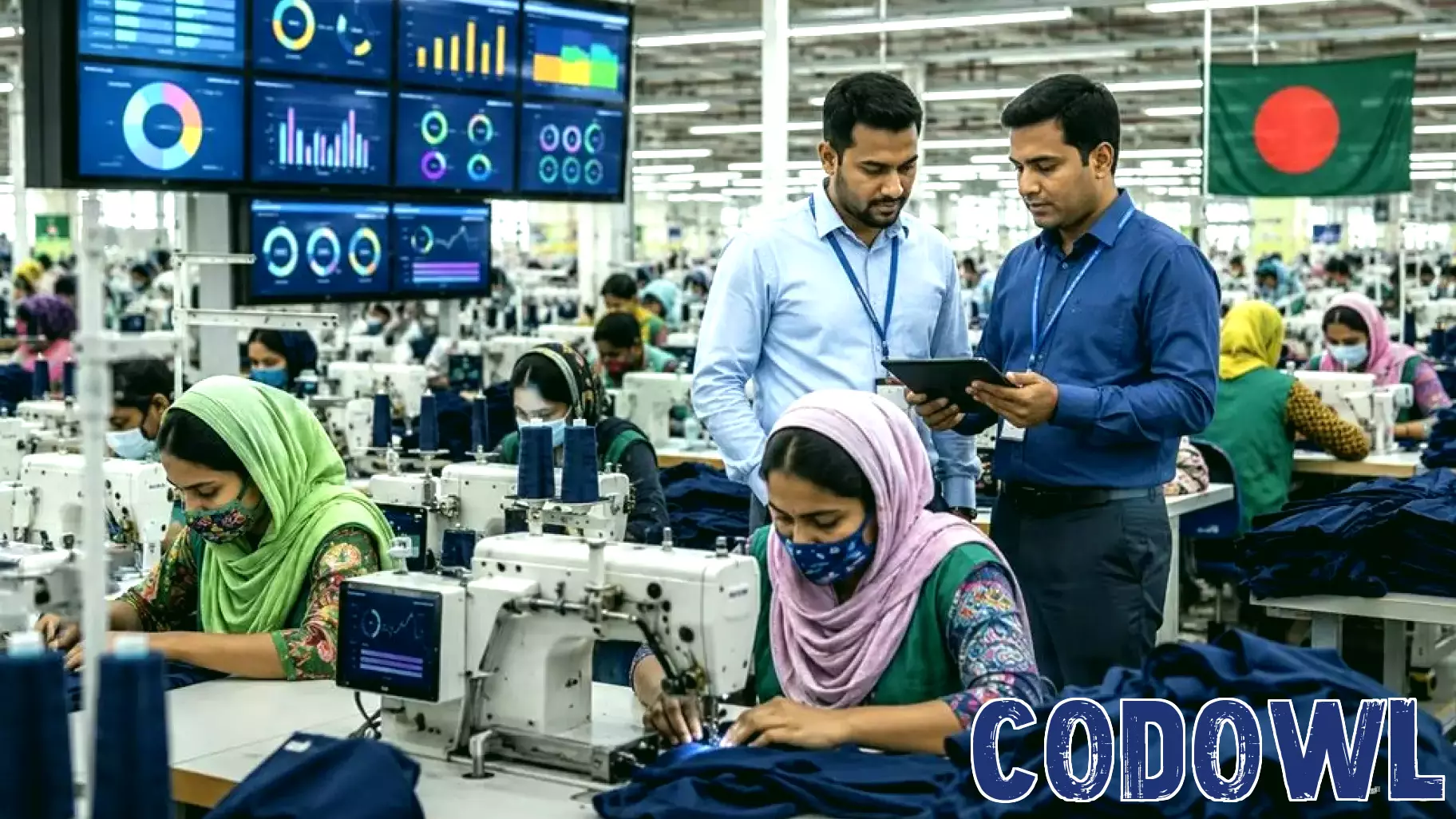
Bangladesh's ready-made garment exporters are shifting focus from low-cost labor to high-efficiency operations, placing a growing bet on digital monitoring, data-driven production lines, and artificial intelligence tools. The move is aimed at raising productivity, cutting machine downtime, and tightening quality control in a sector that still accounts for the bulk of the country's export earnings.
Several factories in Dhaka and Chattogram have started installing real-time production dashboards that track line performance by the minute. These systems flag bottlenecks instantly, allowing floor managers to reroute work or adjust staffing before delays pile up. One factory owner noted that a simple shift from manual tally sheets to tablet-based reporting cut daily reporting time by nearly two hours per line, which then went back into actual sewing.
AI is also creeping into quality inspection. Instead of relying only on human eyes at the end of the line, some plants now use computer vision to scan finished garments for stitching defects, loose threads, or color mismatches. Early adopters say this has reduced customer complaints about minor flaws, which used to trigger costly rework or chargebacks.
The push is not just about staying competitive with regional rivals like Vietnam or India. It is also a response to tighter delivery deadlines from global brands, who now expect smaller batch sizes with faster turnaround. Technology helps factories shift from long runs of a single style to quick changeovers between orders without losing hours of idle time.
Still, the transition is uneven. Smaller factories, which make up a large share of the sector, struggle with the upfront cost of software licenses and sensors. Many also face a shortage of mid-level engineers who can interpret the data these tools produce. Industry trainers are now running short courses on basic analytics for production supervisors, hoping to bridge that gap.
For now, the early evidence suggests that tech investment is paying off. Exporters who have adopted these tools report output per worker rising by 8 to 12 percent within a year, while overtime hours drop. The challenge ahead is scaling these gains beyond the flagship factories to the thousands of smaller workshops that still run on paper and instinct.
MORE NEWS

September 6, 2026 - 19:38
NVIDIA (NVDA)’s $20 Billion Groq Bet Goes Live This Year With New AI RacksNVIDIA`s $20 billion acquisition of Groq`s assets is moving from paper to production. The company`s new Groq 3 LPX rack is now in full manufacturing mode, according to a CNBC report, and it will be...

September 6, 2026 - 04:43
Everllence unveils ESAL technology to improve vessel efficiency by up to 6%Marine technology firm Everllence has launched its new engine-supported air lubrication technology, called ESAL, which the company says can boost vessel efficiency by as much as 6 percent. The...

September 5, 2026 - 20:56
Micron Technology (MU) CEO Sanjay Mehrotra Earns Taipei Supply Chain AwardMicron Technology (NasdaqGS:MU) Chief Executive Officer Sanjay Mehrotra has been presented with the Medal of Economic Contribution during the Semicon Network Summit 2026 held in Taipei. The...

September 5, 2026 - 04:02
FormFactor, Entegris, Penguin Solutions, Teradyne, and Marvell Technology Stocks Trade Up, What You Need To KnowSeveral semiconductor and related technology stocks saw strong gains in afternoon trading on Friday, as market participants moved past concerns about rising interest rates and shifted capital back...