Unveiling the Technology Driving Fluid Robot Motion
January 19, 2026 - 05:51
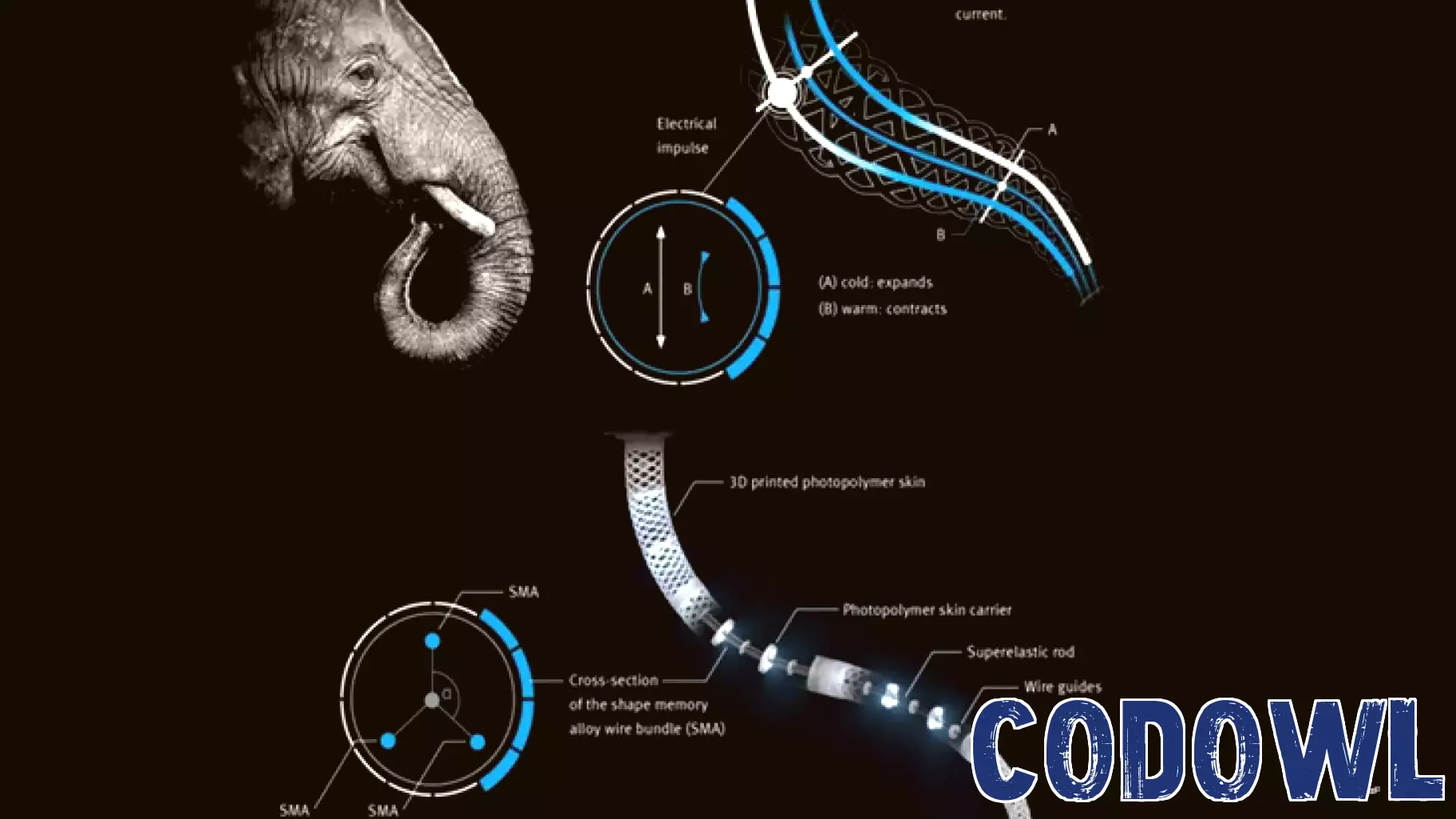
Fluid robot motion is achieved through a series of innovative design choices that enhance their performance and adaptability. Engineers and designers have identified five primary technologies that contribute to this seamless movement, including pneumatics and strain wave gears.
Pneumatic systems utilize compressed air to create motion, allowing robots to exhibit smooth and precise movements akin to natural fluidity. This technology is particularly beneficial in applications requiring delicate handling or rapid adjustments. Strain wave gears, on the other hand, provide high torque in a compact form, enabling robots to perform intricate tasks with minimal space requirements.
The integration of these technologies not only improves the efficiency of robotic systems but also expands their capabilities in various fields, from manufacturing to healthcare. As research and development in robotics continue to advance, the exploration of these design options will likely lead to even more sophisticated and fluid motion in robots, revolutionizing how they interact with their environments.
MORE NEWS

September 13, 2026 - 07:16
Former Army Secretary Says Technology Is Ukraine's Path to Beating RussiaDan Driscoll, who previously served as Secretary of the U.S. Army, has pointed to technological innovation as the factor that could allow Ukraine to overcome Russia`s advantages on the battlefield....

September 12, 2026 - 21:38
Energy services jobs rebound after August hiring gainThe energy services sector added jobs in August, recovering from a slowdown earlier in the summer. Employment in the field reached 629,827 positions, according to industry figures, marking a modest...

September 12, 2026 - 12:35
Examining Food Safety Through Regulation and TechnologyFood safety remains a critical concern for public health agencies, and recent discussions have focused on how regulation and technology can work together to improve traceability throughout the...

September 11, 2026 - 19:44
New Tech Hub Opens for Bulacan StudentsThe JRT Foundation has officially opened the Jerry R. Tugade Technology Hub, a facility designed to give local students better access to digital tools and hands-on training. Along with the launch,...